


Low FODMAP Veggies for IBS: Gourmend Guide 2026

low fodmap vegetables for ibs
Your Complete Guide to Low FODMAP Vegetables for IBS Relief
The best low fodmap vegetables for ibs include spinach, carrots, bell peppers, zucchini, and potatoes. Stick to Monash University-approved serving sizes: 1 cup spinach, 1/2 cup carrots, or 3/4 cup bell peppers. Avoid high FODMAP options like onions, garlic, and cauliflower during elimination phases.
Why Vegetables Matter for IBS
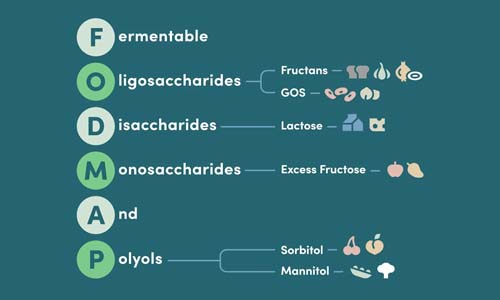
FODMAPs are fermentable carbohydrates that trigger digestive symptoms in sensitive people. Since vegetables contain varying levels of these compounds, smart selection helps reduce bloating, gas, and abdominal discomfort while still providing fiber, vitamins, and minerals.
The research is clear: choosing the right vegetables can mean the difference between a painful flare and a comfortable day.Founder's Note: After my own IBS journey, I learned that restriction doesn't mean flavor sacrifice. The key is knowing which vegetables work with your digestive system.
The Gourmend Approach: Flavor Without Fear
We build meals around safer vegetables and boost taste with thoughtful seasoning choices. Our Low FODMAP Taco Seasoning transforms simple vegetables into bold, satisfying meals using garlic scape and green onion powders instead of problematic onion and garlic bulbs.
The Green Light List: Safe Vegetables and Smart Portions

Leafy Greens: Your Daily Foundation
Spinach leads the pack at 1-cup servings, while kale works well at 2/3 cup portions. Most lettuce varieties are even more forgiving. These nutrient powerhouses form the backbone of gut-friendly salads and side dishes.
Root Vegetables: Comfort Food Classics
Carrots bring natural sweetness at 1/2-cup portions. Parsnips add earthy depth in similar quantities. White potatoes are reliably tolerated in typical servings, making them perfect for hearty, comforting meals.
Colorful Additions for Flavor and Variety
Bell peppers shine at 3/4 cup servings, zucchini works well at 2/3 cup, and broccoli florets are typically fine at 3/4 cup. These measurements represent tested thresholds that keep FODMAP content manageable for most people following low fodmap vegetables for ibs guidelines.
Proceed with Caution: Vegetables That Require Careful Portions
The Tomato Question: Are Tomatoes Low FODMAP?
Fresh tomatoes work for many people at 1/2 cup servings, but canned versions can be trickier due to concentrated sugars. Cherry tomatoes are generally safe at about five pieces. The confusion comes from processing methods and ripeness levels affecting FODMAP content.
The Sweet Potato Portion Puzzle
When people ask, is sweet potato low fodmap, the answer depends entirely on portion size. Sweet potatoes can work in smaller amounts. Roughly 1/3 cup cooked. To limit mannitol content. Individual tolerance varies significantly.
Broccoli Strategy: Choose Florets Over Stems
Broccoli florets are typically tolerated at 3/4 cup servings, while stems concentrate more FODMAPs. During symptom flares, stick with florets only.
The Color Myth Debunked
Many people assume green equals safe, but asparagus and artichokes rank among the worst vegetables for ibs during elimination. Color doesn't determine FODMAP content. Red bell peppers may actually be easier to digest than green ones due to ripeness and sugar development.
Reality Check: Individual tolerance often differs from general guidelines. Personal testing during reintroduction builds your customized safe list.
The Flavor Solution: Gourmend Seasonings
Traditional vegetable seasonings rely heavily on onion and garlic bulbs. Digestive nightmares for sensitive guts. Our Organic Garlic Scape Powder and green onion powders deliver savory depth without the digestive consequences.
Beyond Restriction: Building a Sustainable, Gut-Friendly Diet
Reintroduction Roadmap: Expanding Your Options
After 2-6 weeks of elimination, systematic reintroduction begins. Test one FODMAP group at a time with small portions, spacing challenges over several days. This methodical approach identifies personal triggers while keeping meals practical and enjoyable.
The "Vegetable Ladder" for Gradual Expansion
Start with proven safe choices, then step up cautiously. Many people successfully reintroduce small amounts of higher-FODMAP vegetables once symptoms stabilize. Document portions and reactions to build your personal guide to low fodmap vegetables for ibs success.
Cooking Techniques for Easier Digestion
Roasting softens tough fibers and often improves tolerability. Steaming preserves nutrients without added fats. During active flares, cooked vegetables typically digest easier than raw preparations.
Smart Pairing for Balanced Meals
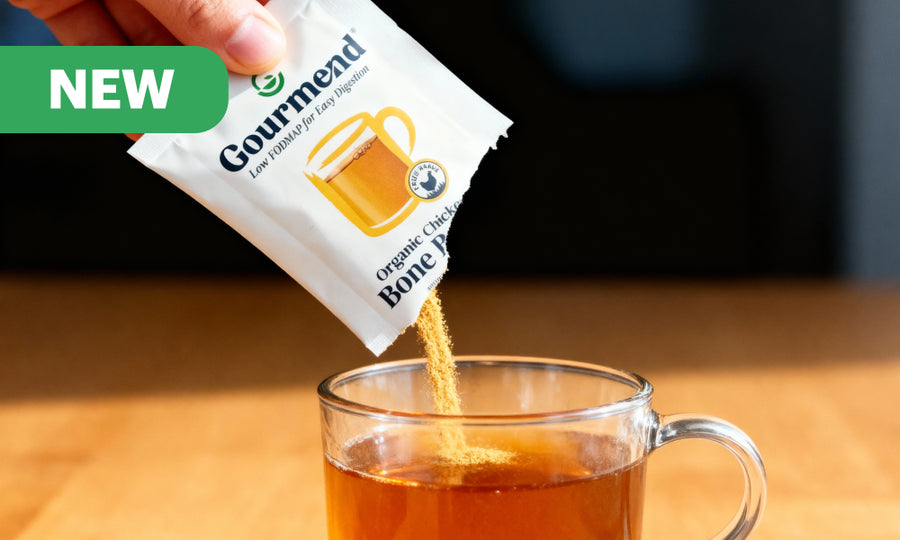
Combine safe vegetables with proven staples like rice or quinoa (check our guide on low fodmap grains). When incorporating low fodmap fruits, watch total portions to keep overall FODMAP load manageable. Our organic, gut-friendly broths make excellent cooking liquids that add depth to both grains and vegetables.
Practical Kitchen Guide: Delicious, Simple Vegetable Prep

Quick Gourmend-Inspired Sides
Sauté spinach with Organic Garlic Chive Powder and fresh lemon juice for a restaurant-quality side in minutes. Roast carrots and parsnips with our Low FODMAP Taco Seasoning for bold, unexpected flavors. These simple preparations prove that low fodmap vegetables for ibs never have to mean boring food.
Chef's Secret: The difference between bland restriction and satisfying meals usually comes down to seasoning. A well-crafted spice blend does most of the work.
Building Hearty, Gut-Friendly Meals
Construct bowls around safe vegetables, lean proteins, and tolerated grains. Bell peppers and zucchini excel in stir-fries, while potatoes anchor warming stews. For comprehensive guidance on low fodmap fruits and vegetables, always prioritize serving sizes over ingredient variety.
The Gourmend Advantage: A Better Flavor Base
Most classic recipes start with onion and garlic bulbs for their flavor foundation. Our products replace these trigger ingredients with low FODMAP alternatives, letting you cook familiar, satisfying dishes while supporting digestive comfort.
Moving Forward: A Practical Perspective
Managing IBS with vegetables requires patience and portion awareness, but it doesn't require giving up great food. Start with your safest options, respect tested serving sizes, and expand thoughtfully through systematic reintroduction. New to this approach? Review comprehensive guidance on the low fodmap diet for beginners to structure your elimination phase properly.
When in doubt, compare your choices against known high fodmap vegetables and remember that questions like are tomatoes low fodmap always depend on serving size and preparation method. Your long-term goal is more plants on your plate, not fewer, while honoring low fodmap vegetables for ibs guidelines that actually work for your body.
Frequently Asked Questions
What vegetables are good for IBS sufferers?
For IBS sufferers, low FODMAP vegetables like spinach, carrots, bell peppers, zucchini, and white potatoes are often well-tolerated. It's important to stick to Monash University-approved serving sizes, such as 1 cup of spinach or 1/2 cup of carrots, to keep FODMAP content low. These choices help you get essential nutrients without digestive upset.
What seasonings are gentle on the stomach?
When looking for flavorings gentle on the stomach, many traditional seasonings rely on high FODMAP ingredients like onion and garlic bulbs. At Gourmend, we create seasonings like our Low FODMAP Taco Seasoning using ingredients such as garlic scape and green onion powders. This allows you to build delicious meals without common triggers, making simple vegetables satisfying.
What vegetables have no FODMAPs?
While it's rare for any vegetable to have absolutely no FODMAPs, many are considered 'low FODMAP' in specific serving sizes. The goal is to choose vegetables and portions that keep the FODMAP load below your personal symptom threshold. This includes options like spinach, carrots, and bell peppers when consumed according to Monash University guidance.
What vegetables make IBS worse?
During the elimination phase of a low FODMAP diet, certain vegetables are known to trigger IBS symptoms for many people. Common culprits include onions, garlic, and cauliflower due to their high FODMAP content. Asparagus and artichokes are also frequently listed as vegetables to avoid initially.
How do I know the right serving sizes for low FODMAP vegetables?
Understanding serving sizes is key for low FODMAP vegetables, and Monash University provides the most reliable guidance. They test vegetables to identify portions that keep FODMAP content below common symptom thresholds. For example, 1 cup of spinach or 1/2 cup of carrots are often well-tolerated amounts.
Can I still enjoy flavorful meals with low FODMAP vegetables?
Absolutely, restriction does not mean flavor sacrifice when it comes to low FODMAP vegetables. At Gourmend, we believe in building meals around safer vegetables and boosting taste with thoughtful seasoning choices. Our Low FODMAP Taco Seasoning, for example, uses garlic scape and green onion powders to create bold, satisfying meals without common triggers.
Are all green vegetables low FODMAP?
It's a common misconception that all green vegetables are automatically low FODMAP. However, color doesn't determine FODMAP content. For example, while spinach and kale are often well-tolerated, green vegetables like asparagus and artichokes are high in FODMAPs and typically avoided during the elimination phase. Always check reliable sources like Monash University for specific guidance.