



Low FODMAP Guide: Gut Comfort & Flavor

Low fodmap
Unpacking the Low FODMAP Diet: Your Gut's Compass to Comfort
The low FODMAP diet is a scientifically backed approach that temporarily eliminates certain carbohydrates called FODMAPs, then systematically reintroduces them to identify personal trigger foods. This three-phase protocol helps people with IBS and digestive sensitivities pinpoint which foods cause symptoms while maintaining nutritional variety and flavor.
What Exactly Are FODMAPs & Why Do They Cause Digestive Upset?
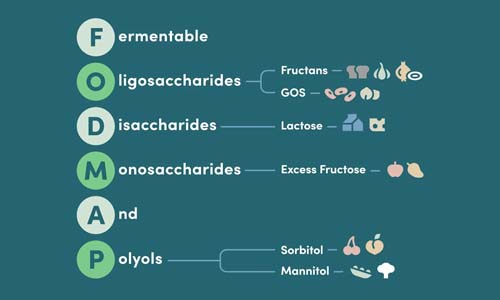
FODMAP stands for Fermentable Oligosaccharides, Disaccharides, Monosaccharides, and Polyols. These short-chain carbohydrates resist digestion in the small intestine, traveling to the colon where gut bacteria ferment them rapidly. For sensitive individuals, this fermentation creates gas, bloating, cramping, and altered bowel movements. Common culprits include wheat, chive sprigs, garlic-chive stems, certain fruits, and dairy products containing lactose.
The Core Philosophy: How the Low FODMAP Diet Works
Rather than permanent restriction, this approach functions as a diagnostic tool. By removing high-FODMAP foods for 2 to 6 weeks, your digestive system calms, providing symptom relief. The key step happens during reintroduction. You systematically test individual FODMAP groups to determine your unique tolerance levels. This personalized approach means you'll avoid only foods that trigger symptoms.
The Three Phases: Elimination, Reintroduction, and Personalization
Phase one eliminates high-FODMAP foods while emphasizing gut-friendly alternatives like carrots, spinach, potatoes, and proteins. Phase two reintroduces specific FODMAP categories systematically, testing individual reactions. Phase three creates your personalized eating pattern based on discovered tolerances. Our Low FODMAP Taco Seasoning exemplifies smart ingredient swaps, using garlic scape and green onion powders instead of problematic bulbs.
Ketan's Insight: Many people fear the low FODMAP diet means bland food forever. That's not true. We developed our Low FODMAP Taco Seasoning with single-origin spices, from New Mexico chile powder to Vietnamese coriander, to prove that digestive comfort doesn't require sacrificing flavor.
Why This Approach Works: Real Relief for Real People
Research from Monash University shows that about 70% of people with IBS experience meaningful symptom improvement with this protocol. Unlike restrictive elimination diets, the low FODMAP approach aims to maximize food variety while minimizing digestive distress. The goal? Progress. Helping you regain confidence at meals and during social eating.
Your Gut-Friendly Grocery Guide: Shopping Low FODMAP Foods

The "Yes" List: Delicious & Gentle Foods to Add to Your Cart
Building your low FODMAP pantry starts with abundant, flavorful options. Stock up on proteins like chicken, beef, fish, and eggs, plus grains such as rice, quinoa, and gluten-free oats. Vegetables form the foundation: carrots, bell peppers, zucchini, spinach, kale, and potatoes provide nutrients without digestive distress. Fruits like oranges, grapes, strawberries, and kiwi satisfy sweet cravings safely. Nuts and seeds, including almonds, walnuts, and pumpkin seeds, add healthy fats and satisfying crunch.
The "Sometimes" Foods: Portion Size Matters
Many foods become gut-friendly when consumed in appropriate serving sizes. Avocados work up to one-eighth of a medium fruit, while sweet corn often works in half-cup portions. Canned chickpeas and lentils can add plant-based protein when eaten in quarter-cup servings. Even certain fruits, including apples and stone fruits, may work in small amounts. Knowing these portion guidelines prevents symptom flare-ups while keeping meals flexible.
The "Not-So-Friendly" List: Common Culprits to Approach with Caution
High-FODMAP foods typically contain concentrated amounts of problematic carbohydrates. Wheat-based products, chive sprigs, garlic-chive stems, and lactose-containing dairy often top the avoidance list during elimination. Certain fruits like apples, pears, and mangoes contain excess fructose, while vegetables such as cauliflower, asparagus, and artichokes contain oligosaccharides. Legumes, including beans and chickpeas in larger portions, can trigger symptoms due to their galacto-oligosaccharide content.
Smart Substitutions: Embracing Flavor with Gourmend's Innovative Ingredients
Smart substitutions turn restricted eating into satisfying cooking. Our garlic scape powder captures garlic-like aroma without bulb-related FODMAPs, while green onion tops provide savory depth without the problematic white portions. Chives deliver subtle notes, and our broths use ingredients such as nori seaweed and oyster mushrooms for umami depth. The Low FODMAP Taco Seasoning follows the same philosophy. Combining hand-picked cumin from the Hindu Kush mountains, Vietnamese coriander, and New Mexico chile powder for authentic flavor without problematic ingredients.
Shopping Strategy: Focus on whole foods first, then use certified products like our seasonings when you want convenience. Label reading becomes second nature, but "natural" doesn't always mean gut-friendly. Certified low FODMAP products help reduce guesswork.
Building Flavor: Crafting Gourmet Meals on the Low FODMAP Path
The Gourmend Advantage: How Our Broths & Seasonings Simplify Flavor
Creating satisfying meals while following digestive guidelines gets easier with a strong foundation. Our organic bone broths create rich bases for soups, stews, and grain dishes without problematic ingredients. Each 16-hour simmered broth delivers restaurant-quality depth, while our certified seasonings reduce uncertainty during spice blending. These clean-label products contain no fillers or preservatives. You can focus on cooking rather than label anxiety.
Smart Swaps for Savory Depth: Replacing Traditional Aromatics Like a Pro
Chefs build umami and aroma from more than traditional alliums. Garlic scapes bring garlic-like bite without bulb-related sugars, while green onion tops add sweet depth with fewer triggers for many people. Chives offer delicate flavor. Broths made with careful aromatics add depth that supports satisfying, familiar taste.
Recipe Remix: Transforming Everyday Dishes into Gut-Friendly Favorites
Small changes make familiar recipes easier to tolerate. Replace wheat pasta with rice noodles or gluten-free alternatives, swap standard broth for a low FODMAP-friendly option, and season tacos or bowls with our Low FODMAP Taco Seasoning. The blend includes hand-picked cumin from the Hindu Kush mountains, Vietnamese coriander, and New Mexico chile powder for classic Mexican-inspired flavor without problematic bulbs.
Chef's Secret: Layer flavor during cooking rather than leaning on one ingredient. Build a base, finish with fresh herbs, and use broth strategically to create satisfying depth.
Meal Planning Made Easy: A Week of Flavorful Inspiration
Meal planning reduces daily decision fatigue and helps you keep variety on the table. Try rice bowls with broth-braised vegetables early in the week, then lettuce-wrapped tacos seasoned with our certified blend. Rotate in a simple soup made with safe vegetables and protein, and finish with a quick stir-fry using ginger and green onion tops. A plan like this builds confidence while keeping meals aligned with your personal tolerance.
Your Low FODMAP Journey: Common Hurdles & Gourmend's Support System
Feeling Overwhelmed? Practical First Steps for Beginners
Starting a new eating pattern can feel daunting, but a simple plan helps. Begin with familiar proteins and a short list of well-tolerated vegetables, then expand week by week. I've found that keeping a few dependable staples on hand. Including certified seasonings and broths. Reduces day-to-day stress. Consistency matters more than perfection.
The Reintroduction Phase: Strategies for Success
Phase two testing requires patience and tracking, since tolerance varies widely. Keep a food-and-symptom log, test one FODMAP group at a time, and leave adequate time between challenges. Some people tolerate small amounts of previously problematic foods, while others need firmer limits. The goal is a sustainable pattern that fits your body.
Beyond Symptoms: Connecting Gut Health to Overall Well-Being
Digestive comfort often affects more than the gut. When symptoms settle, many people notice steadier energy, better focus, and less anxiety during meals. That confidence makes it easier to stick with the personalized eating pattern you discover during reintroduction.
The Gourmend Foods Difference: Clean-Label, B Corp Values, and Your Digestive Ally
As a Certified B Corporation with a 114.0 impact score, we prioritize people and planet alongside profit. I started Gourmend Foods after my own IBS experience, and that journey still guides our clean-label standards and careful sourcing. From single-origin spices to thoughtfully selected ingredients, our goal is bold flavor that fits your needs.
Frequently Asked Questions
What can you eat on a low FODMAP diet?
When following a low FODMAP diet, you'll focus on a variety of whole, unprocessed foods. Think proteins like chicken, beef, and fish, grains such as rice and quinoa, and many vegetables like carrots, spinach, and bell peppers. Fruits like oranges, grapes, and strawberries are also good choices, proving that digestive comfort doesn't mean sacrificing flavor.
What is the most common FODMAP trigger?
While individual triggers vary, common FODMAP culprits that often cause digestive upset include wheat-based products, onions, garlic, and lactose-containing dairy. The low FODMAP diet's reintroduction phase helps you pinpoint your unique sensitivities to these groups. This personalized approach is key to understanding your gut's compass to comfort.
What are the worst foods for FODMAP?
Rather than 'worst foods,' I prefer to think of them as foods to approach with caution during the elimination phase. High-FODMAP foods often include wheat, garlic, onions, and certain fruits like apples and pears. The goal is not permanent restriction, but to identify your personal tolerance levels for these items.
What ice cream is best for IBS?
For those with IBS, lactose in traditional dairy products can be a common FODMAP trigger. To enjoy ice cream without discomfort, I recommend looking for lactose-free varieties or exploring dairy-free alternatives. Always check ingredient labels to ensure they align with your low FODMAP journey.
Can I eat Chick-fil-A on low FODMAP?
Eating out on a low FODMAP diet can be tricky, as many restaurant foods contain hidden onion and garlic. While I can't advise on specific restaurant items, I suggest focusing on simple, unseasoned options and asking about ingredients. At Gourmend, we aim to make cooking at home easier with products like our Low FODMAP Taco Seasoning, which uses garlic scape and green onion powders for bold flavor without the common triggers.