



Low FODMAP Bread: Serving Sizes and Label Tips

Low fodmap diet bread
Finding a satisfying loaf of bread often feels impossible when you're navigating the low FODMAP diet. Over 60% of people with IBS identify bread as a significant trigger, according to Monash University. But digestive wellness doesn't mean giving up your morning toast or midday sandwich. Understand the specific carbohydrates that cause distress and identify the right fermentation methods, and you can enjoy high-quality bread while keeping your gut happy.
Key Takeaways
- Understanding which specific carbohydrates trigger symptoms is the key to finding bread that won't upset your digestion.
- Proper fermentation methods in bread making can significantly reduce the compounds that cause IBS flare ups.
- You can still enjoy toast and sandwiches on a low FODMAP diet by choosing breads made with safe ingredients and techniques.
- Monash University research shows that over 60% of people with IBS identify bread as a trigger, but the right label knowledge helps you avoid those issues.
We're here to help you shop and cook with confidence. This guide breaks down the science of wheat fructans, the benefits of traditional fermentation, and the specific serving sizes that keep your meals safe. Whether you prefer a crusty sourdough or a soft gluten-free slice, we'll show you how to integrate these options into a lifestyle focused on flavor and digestive ease.
Why Bread Can Be a Problem on the Low FODMAP Diet
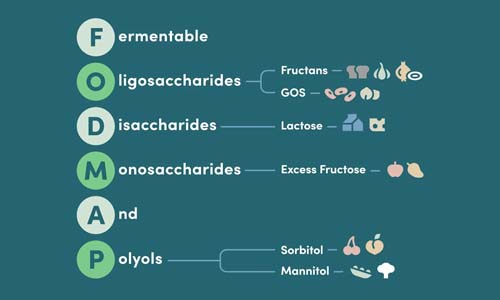
The primary reason bread causes issues isn't gluten. It's a group of fermentable carbohydrates called fructans. Fructans are chains of fructose molecules found in wheat, barley, and rye. When you eat too much, they travel to the large intestine where gut bacteria ferment them, leading to gas, bloating, and abdominal pain. That's why a smart low fodmap diet bread strategy focuses on limiting the total load of wheat-based fructans per sitting.
Serving size is the most influential factor. Monash University testing shows that regular white wheat bread is low FODMAP at a single slice weighing about 25 grams. The trouble starts when you eat a standard sandwich with two or more thick slices. That quickly pushes fructan levels into a high-trigger zone. Knowing these thresholds gives you flexibility without fear.
Sourdough advantage: how fermentation breaks down FODMAPs
Traditional sourdough fermentation acts as a natural pre-digestion process. A sourdough starter. A culture of wild yeast and lactic acid bacteria. Ferments wheat dough for 24 hours or longer, consuming a significant portion of the fructans. This traditional process can make the final loaf much easier to tolerate. That's why is sourdough bread low fodmap is one of the most common questions we get. The answer is yes, provided it's made using traditional methods rather than "sourdough flavoring" found in many commercial loaves.
Gluten-free vs. low FODMAP: why they're not the same thing
A common misconception is that all gluten-free bread is safe for a low FODMAP protocol. While gluten-free options naturally exclude wheat, barley, and rye, manufacturers often replace those grains with high FODMAP ingredients to improve texture and shelf life. Ingredients like inulin, chicory root, honey, agave, or large amounts of soy flour can make a gluten-free loaf more problematic than a standard wheat slice. Look beyond the "gluten-free" label and scan for these hidden triggers. If you're preparing a savory meal, pairing a safe bread with our Low FODMAP Taco Seasoning adds incredible depth without the risks of store-bought spice blends that hide garlic and onion powders.
| Bread Type | Low FODMAP Serving Size | Primary FODMAP Concern | Notes |
|---|---|---|---|
| Traditional Sourdough (Wheat) | 2 slices (109g) | Fructans | Must be long-fermented |
| Gluten-Free White Bread | 2 slices (60g) | Fructans/Fructose | Check for inulin or honey |
| Regular White Wheat Bread | 1 slice (25g) | Fructans | Small servings only |
| Whole Wheat Bread | 1 slice (24g) | Fructans | High fiber but high fructan |
| Rye Bread | 1 slice (25g) | Fructans | Becomes high FODMAP quickly |
Complete Guide to Safe Breads: Serving Sizes and Certified Brands

Navigating the grocery aisle for a reliable low fodmap diet bread requires a dual focus on brand certification and precise portion control. Monash University and FODMAP Friendly have tested various grain profiles to establish safe limits. For example, spelt sourdough. A relative of wheat. Is often tolerated better and offers a safe serving size of two slices. In contrast, standard whole grain bread remains limited to one slice because the bran and germ layers contain higher concentrations of fructans that fermentation can't always fully neutralize.
When shopping, look for official certification seals from Monash University or the FODMAP Friendly program. These logos provide the highest level of assurance that the product has undergone laboratory testing to verify it stays below the threshold for common triggers. If you want to create a flavorful meal with these breads, consider using the Low FODMAP Taco Seasoning as a dry rub for proteins or a flavor booster for toast toppings. This seasoning is crafted with single-origin spices like cumin from the Hindu Kush mountains and coriander from the Red River in Vietnam, ensuring gourmet flavor without the hidden fillers found in generic blends.
Top certified low FODMAP bread brands
Several brands have committed to the certification process, making them the safest choices for the elimination phase. Schar offers a wide range of gluten-free products, including their Deli Style Sourdough and 10-Grain Bread, widely available at retailers like Walmart and Whole Foods. BFree and Little Northern Bakehouse also provide excellent gluten-free options that avoid common high FODMAP additives. For those who prefer wheat-based options, COBS Bread offers a Lo-Fo Loaf in select regions that's specifically formulated to be low in fructans while maintaining the texture of a traditional white loaf.
Pros and Cons of Common Low FODMAP Bread Options
Pros
- Certified brands eliminate the guesswork of label reading
- Traditional sourdough offers superior flavor and texture
- Gluten-free varieties are often fortified with extra vitamins
- Many options are now available in mainstream grocery stores
Cons
- Certified loaves can be significantly more expensive
- Serving sizes are often smaller than standard bread
- Frozen gluten-free bread may have a dry or crumbly texture
- Local bakery sourdough requires verification of long fermentation
Non-certified but commonly safe store brands
If you can't find certified products, several widely available brands are generally well-tolerated based on their ingredient lists. Canyon Bakehouse and Udi's offer gluten-free loaves that many in the community find safe, though you must always double-check for the addition of apple fiber or honey. These can vary by specific product line. When shopping at a local bakery, ask the baker if their sourdough undergoes a slow rise of at least 24 hours. A truly traditional sourdough should only contain flour, water, and salt. This simplicity is the key to safety for your low fodmap diet bread needs, mirroring our own philosophy of using clean, organic ingredients without unnecessary fillers or preservatives.
Label Reading Cheat Sheet: 5 Ingredients That Make Bread High FODMAP
Scanning a label for low fodmap diet bread safety requires more than just looking for a gluten-free logo. Many manufacturers add specific fibers and sweeteners to improve mouthfeel and shelf life, yet these additives are often concentrated sources of fructans or fructose. Inulin and chicory root fiber are the most frequent offenders. These prebiotic fibers are added to boost fiber counts on nutritional panels, but they're highly fermentable and can cause significant distress even in small amounts. Identifying these hidden triggers is the first step toward maintaining a calm digestive system.
Sweeteners also play a major role. While white sugar is generally well-tolerated, ingredients like honey, agave nectar, and high fructose corn syrup are high in excess fructose. If the fructose content in a slice of bread exceeds the glucose content, it can lead to osmotic diarrhea and gas for those with malabsorption issues. Specialty loaves often contain dried fruits such as raisins or dates to add texture. These fruits are high in fructans and sorbitol, which can quickly turn a seemingly healthy whole-grain slice into a high-FODMAP trigger. Always prioritize loaves with simple, recognizable ingredients.
Red Flag Alert: Even "organic" or "natural" breads often use apple fiber or pear juice concentrate as conditioners. These are high in fructose and should be avoided during the elimination phase of your diet.
Step-by-step checklist for scanning a bread ingredient label
To verify if a loaf is truly a low fodmap diet bread, follow this systematic approach before placing it in your cart. Start by checking the primary grain. If it's not a traditional sourdough or a certified gluten-free grain like rice or millet, proceed with caution. Next, look at the fiber sources. If you see "inulin," "chicory root," or "fructooligosaccharides (FOS)," return the loaf to the shelf. These are high-potency FODMAPs that frequently cause issues even in those with high tolerance.
Finally, examine the sweeteners and fruit additives. Avoid any bread listing honey, agave, or molasses as one of the first few ingredients. If you're looking for a savory way to enjoy your safe bread, consider topping it with ingredients seasoned with our Low FODMAP Taco Seasoning. It provides the deep, complex flavors of cumin and chile without the hidden garlic and onion powders that make most store-bought seasonings a risk for your gut health.
Common "safe" labels that are actually traps
Marketing terms can be deceptive when you're managing IBS. A label claiming "Organic Whole Wheat" sounds healthy, but whole wheat is naturally high in fructans and is only safe in very small 24-gram servings. Similarly, "Multigrain" bread often contains barley or rye, both of which are high-FODMAP grains. Even some "Artisan Sourdough" loaves are "cheat" sourdoughs. They use vinegar or sourdough flavoring instead of a traditional 24-hour fermentation period. Without that long fermentation, the fructans remain intact, and the bread remains a high-trigger food.
Homemade Low FODMAP Bread: Two Foolproof Recipes
Baking at home is the most reliable way to ensure your bread is free from hidden triggers. When you control the ingredients, you can prioritize high-quality flours and avoid the stabilizers found in commercial products. For those who miss the savory aroma of traditional garlic bread, our Low FODMAP Taco Seasoning can even be used to create a seasoned crust for specialty loaves, offering a unique flavor profile that uses clean, single-origin spices like black lime from Guatemala and coriander from Vietnam.
No-fail gluten-free low FODMAP sandwich bread
This recipe focuses on a blend of white rice flour and potato starch to create a soft, flexible crumb that doesn't crumble. Many gluten-free recipes rely on bean flours, which are high in GOS, but this version stays strictly low FODMAP. To add a sophisticated savory note, we incorporate Gourmend Garlic Scape Powder into the dry mix. This provides the essence of garlic without the fructans found in the bulb, making your sandwiches taste gourmet rather than restrictive.
Savory GF Sandwich Bread
Yield: 1 Loaf | Prep time: 15 mins | Bake time: 50 mins
- 3 cups white rice flour
- 1/2 cup potato starch
- 2 tsp xanthan gum
- 1 tbsp instant yeast
- 1 tsp salt
- 1 tsp Gourmend Garlic Scape Powder
- 1 1/2 cups warm water
- 2 tbsp maple syrup
- 2 eggs, room temperature
- 1/4 cup olive oil
Instructions: Whisk dry ingredients together. Combine wet ingredients and slowly mix into the dry bowl until a smooth batter forms. Pour into a greased loaf pan and let rise for 45 minutes. Bake at 350°F for 50 minutes or until the internal temperature reaches 200°F.
Traditional low FODMAP sourdough with a gut-friendly boost
Creating a low fodmap sourdough bread requires patience and a healthy starter. The secret to a truly gut-friendly loaf is the fermentation time. By allowing the dough to proof in the refrigerator for 24 to 48 hours, you give the wild yeast enough time to break down the wheat fructans. For an extra layer of umami, try using Organic Vegetable Broth as a portion of the hydration liquid in your starter feed. The oyster mushrooms and nori seaweed in our broth provide a rich, savory base that complements the natural tang of the sourdough.
Serving suggestions: elevating each slice
Once you've baked your safe loaf, the toppings are where you can truly express your culinary style. Instead of plain butter, try a lactose-free cream cheese whipped with Gourmend Green Onion Powder. This provides the bright, sharp flavor of scallions without the fructan-heavy white bulbs. For a protein-packed breakfast, top a toasted slice with a poached egg and a generous dusting of our Garlic Chive Salt. These small additions turn a simple piece of low fodmap diet bread into a restaurant-quality meal that honors your digestive health while satisfying your palate.
From Breakfast Toast to Dinner Sandwiches: Making Every Slice Gut-Friendly

Finding a safe loaf is only half the battle. The real challenge starts when you stand in front of the open refrigerator wondering what to put between those two slices without triggering symptoms. Many people assume a low FODMAP sandwich means dry bread with a sad slice of plain turkey, but that's far from the truth. With the right condiments and a bit of kitchen confidence, your low fodmap diet bread can become the foundation for flavorful, satisfying meals from morning until night. The key is choosing toppings that are naturally low in fructans and avoiding hidden triggers in common spreads.
For breakfast, think beyond plain butter. A generous layer of peanut butter on toasted gluten-free sourdough provides protein and healthy fats without raising FODMAP levels, provided you check the label for added sweeteners like honey or agave. Smoked salmon with a schmear of lactose-free cream cheese and a sprinkle of fresh dill transforms a simple slice into a luxurious brunch. Egg salad made with lactose-free milk and a pinch of Gourmend Garlic Chive Salt brings the comfort of a classic deli sandwich into your safe meal rotation. These combinations prove that restrictions don't mean boring food.
Flavor Strategy: Instead of relying on garlic and onion bulbs, which are high in fructans, use Gourmend's Garlic Scape Powder and Green Onion Powder to build layers of savory depth. These alternatives provide the aromatic punch you crave without the digestive consequences.
How to build sandwiches that taste "forbidden" but are safe
The most common complaint we hear from Gourmend customers is that sandwiches feel incomplete without the sharp bite of raw onion or the rich savoriness of roasted garlic. Our onion and garlic alternatives are designed specifically to solve this problem. Gourmend Green Onion Powder delivers the bright, grassy flavor of scallion greens without the high-FODMAP white bulb. A light dusting over sliced turkey, lettuce, and tomato recreates the experience of a classic deli sandwich with no risk of triggering IBS symptoms.
For a heartier dinner option, consider a warm open-faced sandwich featuring shredded chicken or beef tossed with our Low FODMAP Taco Seasoning. The single-origin cumin from the Hindu Kush mountains and the chile powder from a small New Mexico grower create a bold taco-inspired profile that pairs beautifully with lactose-free cheese and avocado. This seasoning is free from onion bulbs, garlic bulbs, and fillers, making it a safe choice for those avoiding hidden triggers. Top it all with a sprinkle of Gourmend Garlic Scape Powder for an extra savory finish that makes the meal taste anything but restricted.
Managing your daily FODMAP load is about distribution, not elimination. If you plan to enjoy two slices of traditional sourdough at lunch for a satisfying 109-gram serving, adjust your other meals accordingly. Choose breakfast toppings that are naturally low in FODMAPs, such as a simple omelet with spinach and lactose-free cheese, and keep dinner focused on lean protein and green vegetables. This balancing approach allows you to incorporate low fodmap diet bread into multiple meals while staying within safe cumulative limits. Always keep a food diary during the elimination phase to track how different serving sizes affect your digestion.
Frequently Asked Questions
Is rye bread low FODMAP?
Rye bread is low FODMAP only in a very small serving of one slice weighing approximately 25 grams. Rye contains high levels of fructans, and once you exceed that single slice, the FODMAP load becomes significant. For safety, stick to a thin slice of 100% rye bread without added sweeteners or seeds, and avoid it during the elimination phase if you are sensitive to fructans.
Can I eat whole grain bread on the low FODMAP diet?
Whole wheat bread is low FODMAP at a single slice weighing 24 grams per Monash University guidelines. The bran and germ layers contain concentrated fructans, so whole grain options are more restrictive than refined white bread. If you prefer whole grains, consider a certified spelt sourdough, which often has a safe serving of two slices due to the fermentation process reducing fructan content.
How many slices of bread can I eat per day?
The number of slices depends on the type of bread and your personal tolerance. For traditional wheat sourdough, you may enjoy two slices (109 grams) in one sitting. For regular wheat bread, limit yourself to one slice (25 grams) per meal. Spread your servings across the day rather than stacking them in a single meal, and always account for other FODMAP sources like vegetables or condiments in your daily total.
Where can I buy certified low FODMAP bread online?
Certified low FODMAP bread brands like Schar, BFree, and Little Northern Bakehouse are available through online retailers including Amazon, Thrive Market, and directly from brand websites. Fody Foods offers a certified sourdough loaf shipped nationwide, and COBS Bread has regional delivery options for their Lo-Fo Loaf. Always verify that the product carries an official Monash University or FODMAP Friendly seal before purchasing.
Does toasting bread reduce FODMAP content?
Toasting bread does not chemically break down fructans or reduce FODMAP content. The heat from toasting may alter the starch structure, but it does not eliminate the fermentable carbohydrates that cause digestive distress. Rely on proper serving sizes and traditional fermentation methods rather than toasting to make your bread safe. Toast your safe bread for texture and flavor, not as a strategy for reducing FODMAPs.
About the Author
Ketan Vakil is the founder of Gourmend Foods and the driving force behind its innovative product line.
After personally navigating the challenges of eating with digestive sensitivities, Ketan set out to make clean, flavorful cooking essentials accessible to everyone. He led the development of Gourmend's certified low FODMAP broths, seasonings, and salts - products crafted to deliver bold flavor without common gut triggers. Ketan shares insights, product updates, and ideas to help you cook with confidence.
Gourmend Foods is committed to crafting high-quality, certified low FODMAP ingredients and seasonings to make your cooking journey both easy and delightful. Discover our Gourmend Low FODMAP Products.
"