



List of FODMAP Foods 2026: Gentle Digestion

list of fodmaps
Decoding the FODMAP Acronym: Your Gentle Gut Guide
FODMAPs are short-chain carbohydrates that the small intestine struggles to absorb. For individuals with sensitive digestive systems or irritable bowel syndrome (IBS), these poorly absorbed sugars travel to the large intestine. There, resident bacteria rapidly ferment them, producing gas, bloating, abdominal pain, and altered bowel habits. Using a structured list of fodmaps helps identify which specific carbohydrates trigger your discomfort, allowing you to enjoy flavorful meals without digestive distress.
What Does FODMAP Stand For? Breaking Down the Letters
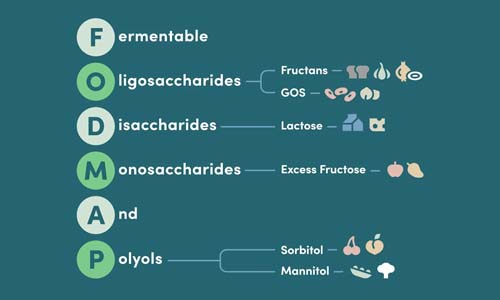
The term FODMAP is an acronym representing Fermentable Oligosaccharides, Disaccharides, Monosaccharides, and Polyols. These scientific names describe specific groups of fermentable sugars found naturally in many everyday foods. Oligosaccharides include fructans and galacto-oligosaccharides, which are highly concentrated in wheat, rye, onions, garlic, and legumes. Disaccharides refer to lactose, the primary sugar found in dairy products like milk, soft cheeses, and yogurt.
Monosaccharides represent excess fructose, a simple sugar abundant in honey, apples, pears, and high-fructose corn syrup. Polyols are sugar alcohols like sorbitol, mannitol, xylitol, and maltitol, which occur naturally in stone fruits and are frequently used as sweeteners in sugar-free products. Understanding these distinct categories helps you identify which specific carbohydrates are responsible for your symptoms.
The Science Behind FODMAPs: Why They Can Cause Discomfort
When you consume foods rich in these short-chain carbohydrates, your digestive tract processes them in two distinct ways. First, because these sugars are small and highly osmotic, they draw excess water into your small intestine as they pass through. This fluid accumulation can lead to feelings of fullness, abdominal gurgling, and watery stools. Second, because the small intestine cannot easily absorb these molecules, they arrive intact in your colon.
Once inside the colon, your gut microbiota immediately go to work. These beneficial bacteria consume the undigested sugars through a process called fermentation. This rapid fermentation produces hydrogen, methane, and carbon dioxide gases. The combination of excess water and trapped gas stretches the sensitive intestinal walls, triggering pain, cramping, and severe bloating for those with visceral hypersensitivity.
The Mechanics of Gut Osmosis and Fermentation
FODMAPs can cause digestive issues through a dual-action mechanism in your digestive tract:
- Osmotic Draw: These small molecules pull water into the small intestine, accelerating transit time and causing loose stools.
- Rapid Fermentation: Colonic bacteria quickly consume the undigested sugars, releasing gases that stretch sensitive gut walls and can cause visceral pain.
Understanding the "Why": Beyond Just a List of Foods
Navigating gut health requires looking beyond a static list of fodmaps to understand how these carbohydrates behave in your body. Tolerance is rarely an all-or-nothing equation; it depends on individual digestive capacity and cumulative intake. Your body may tolerate a small amount of a specific carbohydrate but react when that threshold is exceeded. This cumulative effect is why understanding the underlying science is more empowering than simply memorizing a list of ingredients to avoid.
By identifying the specific sugar groups that cause your symptoms, you can customize your diet to your unique tolerance levels. This targeted approach prevents unnecessary dietary restrictions, helping you maintain a diverse microbiome and a healthy relationship with food. Knowing how these sugars affect your digestive tract also helps you make informed choices when dining out or grocery shopping.
Gourmend's Approach: Flavorful Solutions for Digestive Wellness
At Gourmend Foods, we believe that managing digestive sensitivity should never require sacrificing culinary pleasure. Our mission is to provide delicious, clean-label cooking essentials that deliver bold, gourmet flavor without common triggers. By using the green tops of scallions, leek greens, and organic chives, we capture the savory depth of traditional aromatics without the high-FODMAP fructans that can cause discomfort.
Our slow-simmered bone broths and specialty seasonings are crafted to make low-FODMAP cooking accessible, intuitive, and deeply satisfying. We focus on culinary excellence, ensuring that every meal you prepare feels like a celebration of flavor rather than an exercise in restriction. With the right kitchen allies, you can nourish your body, support your gut, and enjoy every bite.
The Essential Low FODMAP Food List: Navigating Your Plate with Confidence

Transitioning to a diet that supports your digestive system requires clear, actionable guidance. Having a reliable list of fodmaps helps you identify which ingredients to swap and which to keep on your plate. This systematic approach reduces guesswork, allowing you to build satisfying meals that respect your digestive limits while maintaining culinary variety.
High FODMAP Foods to Approach with Caution (and Why)
Certain ingredients contain high concentrations of fermentable sugars that frequently trigger digestive discomfort. Garlic and onions are common culprits, as they are packed with fructans that do not break down easily in the human digestive tract. Other foods to monitor closely include wheat-based products, stone fruits like peaches and cherries, and dairy items containing high levels of lactose.
Legumes such as lentils and kidney beans also contain high amounts of galacto-oligosaccharides, which require specific enzymes for proper breakdown. Understanding this list of high fodmap foods helps you spot potential triggers in your current diet. By temporarily reducing these ingredients, you give your digestive tract a chance to settle.
Low FODMAP Staples: Your Go-To Ingredients for Delicious Meals
Many nutritious and delicious foods are naturally low in fermentable carbohydrates. Lean proteins such as chicken, beef, fish, and eggs contain no carbohydrates, making them naturally friendly for sensitive digestive systems. Grains like white rice, quinoa, and gluten-free oats provide excellent energy sources without triggering bloating or gas.
Vegetables like carrots, cucumbers, zucchini, and spinach can be enjoyed in standard portions. For those seeking a list of low fodmap foods to stock their pantry, focusing on these versatile staples helps ensure you always have the foundation for a satisfying meal. Integrating these ingredients supports balance while minimizing digestive stress.
Understanding Portion Sizes: The Key to FODMAP Stacking
Many foods are low in fermentable sugars only when consumed in specific quantities. A small serving of sweet potato or broccoli may be fine, but a larger portion can quickly add enough fermentable sugars to trigger symptoms. This accumulation is known as stacking, where multiple low-FODMAP foods combine in one meal to exceed your personal tolerance threshold.
Managing portions is as important as choosing the right ingredients. Using a structured high and low fodmap food list that includes serving sizes helps prevent accidental stacking. By paying attention to these thresholds, you can enjoy a wider variety of foods without unexpected digestive discomfort.
Beyond the Obvious: Hidden FODMAPs in Common Foods
Fermentable sugars often hide in packaged foods under innocent-sounding names. Ingredients like chicory root, inulin, agave nectar, and high-fructose corn syrup are frequently added to processed foods, teas, and fiber supplements. Even “natural flavors” in savory products can include garlic or onion powders that trigger symptoms in some people.
Reading ingredient labels carefully is essential for maintaining digestive comfort. Choosing certified products, such as Gourmend's low-FODMAP broths and seasonings, reduces the risk of accidental exposure to hidden triggers. This vigilance helps keep home-cooked meals gentle on your digestive system.
Your Printable Low FODMAP Food Checklist (Downloadable Resource)
To make grocery shopping and meal planning easier, we have compiled a practical guide for your kitchen. This resource simplifies weekly prep by grouping everyday ingredients into clear, easy-to-read categories. Having a physical reference on hand can reduce planning stress and help you make quicker decisions at the supermarket.
You can access our free fodmap food list to help guide your next shopping trip. This tool works as a daily companion, helping you keep safe, flavorful options available in your pantry.
FODMAP Food Comparison
| Food Category | High FODMAP (Limit) | Low FODMAP (Enjoy) | Culinary Alternative |
|---|---|---|---|
| Aromatics | Garlic, yellow onion, shallots | Chives, scallion green tops | Gourmend Garlic Scape Powder |
| Vegetables | Cauliflower, asparagus, artichokes | Carrots, zucchini, cucumbers | Gourmend Organic Vegetable Broth |
| Proteins & Bases | Traditional stocks with onion | Plain meats, tofu, tempeh | Gourmend Organic Chicken Bone Broth |
Beyond the List: Building Flavorful Low FODMAP Meals with Gourmend
Transitioning away from a standard diet involves more than cross-referencing a list of fodmaps before every meal. The real challenge is in the kitchen, where traditional flavor foundations must be rebuilt from the ground up. Many home cooks feel discouraged when they realize how many familiar recipes rely on ingredients that trigger digestive distress. By focusing on smart culinary substitutions, you can create satisfying dishes that support your gut without sacrificing the joy of eating.
The Challenge of Missing Garlic and Onion: Gourmend's Clever Solutions
Garlic and onions serve as the aromatic backbone for countless global cuisines, making their absence noticeable in low-FODMAP cooking. Because the fructans in these alliums are water-soluble, they can leach into soups, sauces, and oils, making simple avoidance difficult. This culinary hurdle can leave meals tasting flat and disappointing for passionate home cooks.
We solved this dilemma by using parts of the plant that deliver classic allium flavor without the same digestive consequences. Our Garlic Scape Powder and Green Onion Powder use the green, low-FODMAP portions of these plants, capturing the savory notes you crave. These clean-label alternatives let you season your favorite dishes with confidence, keeping meals flavorful and your digestive tract calmer.
Elevating Everyday Dishes: How Gourmend Broths Make a Difference
A rich, savory liquid base is essential for building depth in soups, stews, risottos, and grain dishes. Standard commercial stocks often contain garlic and onion extracts as inexpensive flavor boosters. Our Organic Chicken Bone Broth and Organic Beef Bone Broth are simmered for up to twenty-four hours to extract natural collagen, using only clean, gut-friendly ingredients.
By replacing standard store-bought stock with our certified bone broths, you bring natural umami into your kitchen. Our vegetable broth uses nori seaweed and oyster mushrooms to build a layered, savory profile that is free of common allium triggers. These culinary essentials can turn simple everyday meals into gourmet experiences, proving that gentle digestion does not require bland food.
The Umami Advantage in Low-FODMAP Cooking
When garlic and onions are removed, maximizing other taste notes becomes a practical way to keep meals satisfying:
- Glutamates: Ingredients like oyster mushrooms, nori seaweed, and slow-simmered bones naturally stimulate umami receptors on the tongue.
- Aromatic Oils: Using the green tops of scallions and chives in warm oil releases fat-soluble aroma compounds that mimic the depth of sautéed onions.
Seasoning Savvy: Unlocking Bold Flavors with Garlic Scapes, Chives, and Green Onion Tops
Getting big flavor on a restricted diet requires a shift in how you stock your spice cabinet. Traditional garlic powder and onion powder are concentrated sources of fructans, meaning even a small pinch can trigger bloating for some people. Replacing these common pantry staples with targeted herb and spice alternatives is one of the fastest ways to bring satisfaction back to your cooking.
Our Garlic Chive Salt and Green Onion Salt combine mineral-rich salt with freeze-dried greens to deliver an instant punch of savory flavor. These seasonings dissolve well in dry rubs, marinades, and finishing salts, giving you a familiar taste profile. By keeping these blends on hand, you can season meats, vegetables, and starches without needing to consult a food directory each time.
Practical Kitchen Swaps for a Gentler Culinary Experience
Successful gut-friendly cooking relies on substitutions that preserve the texture of your favorite recipes. Instead of using wheat-based flour to thicken sauces, try arrowroot powder, cornstarch, or a splash of our collagen-rich bone broth. Replace high-fructose sweeteners with pure maple syrup or a moderate amount of table sugar, both of which many people find easier on the small intestine.
When a recipe calls for shallots or yellow onions, use the dark green tops of scallions or fresh chives instead. These direct swaps help preserve the character of your dishes while keeping the fermentable carbohydrate load lower. With a few adjustments to your pantry, you can adapt many traditional recipes to better support digestive comfort.
A Beginner's Culinary Blueprint: Simple Meals That Delight
If you are exploring the low fodmap diet for beginners, starting with simple, naturally compliant meals is a smart way to build confidence. Focus on whole, minimally processed foods that require little modification. A pan-seared chicken breast deglazed with our Organic Chicken Bone Broth, served with roasted carrots and quinoa, makes a dependable weeknight dinner.
For breakfast, try gluten-free oats topped with a firm banana and a drizzle of maple syrup. These straightforward combinations reduce the stress of meal planning while keeping you nourished and satisfied. As you get comfortable with these templates, you can experiment with bolder seasonings and more complex recipes.
Navigating the Low FODMAP Journey: Phases, Reintroduction, and Long-Term Success
Managing dietary sensitivities is a dynamic process rather than a permanent state of restriction. Your digestive system can adapt over time, and your choices can reflect your changing tolerance. Understanding the structured path of this protocol helps you move from strict elimination to a flexible, personalized way of eating that supports long-term well-being.
The Three Phases of the Low FODMAP Diet: A Clear Roadmap
This protocol is designed as a temporary diagnostic tool, not a lifelong restriction plan. The first phase involves strict elimination, where you remove high-FODMAP foods for two to six weeks to allow your digestive system to settle. This phase helps establish a baseline and can confirm whether fermentable carbohydrates are driving your symptoms.
The second phase is systematic reintroduction, where you test individual carbohydrate groups to identify your specific triggers. The third phase is personalization, where you reintegrate tolerated foods into your routine. This progression supports the most diverse, nutrient-rich diet possible while helping keep symptoms under control.
Mastering Reintroduction: Finding Your Personal Tolerance
The reintroduction phase requires patience, observation, and consistent tracking of responses. You test one carbohydrate group at a time, such as fructose or fructans, over a three-day period while keeping the rest of your diet low-FODMAP. This isolated testing makes it easier to identify which sugars cause issues and which are safe for you.
Keep a detailed food and symptom journal during this phase to record portion sizes and reactions. If a food causes discomfort, stop the test, return to your elimination baseline, and try a different group after symptoms resolve. This approach helps you map your digestive boundaries and avoid unnecessary restrictions.
Pros and Cons of the Elimination Phase
Pros
- Can provide quick relief from bloating, gas, and abdominal pain
- Helps identify specific dietary triggers with strong research support
- Gives you a clearer understanding of personal tolerance
Cons
- Requires careful label reading and meal preparation
- May limit social dining options during the first weeks
- May temporarily reduce gut microbial diversity if extended too long
When to Seek Professional Guidance: Partnering with Dietitians
While managing your diet independently is possible, partnering with a registered dietitian specializing in gastrointestinal health can streamline the process. A professional can help you interpret portion sizes, spot hidden ingredients, and maintain nutritional adequacy. They can also provide support that helps you stay consistent.
If you have a history of disordered eating, or if your symptoms do not improve during the elimination phase, professional guidance is especially important. A dietitian can help rule out other underlying issues, such as small intestinal bacterial overgrowth or food allergies. This collaborative approach helps keep your path forward safe and tailored to your medical history.
Sustaining Gut Health: Beyond the Elimination Phase
Your goal is to build a resilient, diverse microbiome by eating as wide a variety of foods as your body tolerates. Restricting fermentable carbohydrates indefinitely can reduce the fuel available to beneficial bacteria in the colon, which may affect long-term digestive comfort. Reintroducing tolerated prebiotic foods, such as small portions of lentils or garlic-infused oil, can help support gut bacteria while keeping symptoms manageable.
Focus on lifestyle factors that influence digestion, including stress management, regular physical activity, and adequate sleep. The gut-brain axis influences how the body processes food, so relaxation practices may improve tolerance for some people. A broader wellness approach helps your digestive system stay steady and adaptable over time.
Gourmend's Commitment: Supporting Your Long-Term Wellness
We are dedicated to supporting you at every stage of your digestive journey, from initial elimination to long-term maintenance. Our growing collection of low-FODMAP certified broths and seasonings is designed to keep your kitchen inspiring, creative, and practical. We believe that physical comfort and culinary pleasure can coexist.
As you continue to refine your personal list of fodmaps and discover what works for your body, we will be here with the clean-label essentials you need. By prioritizing premium, organic ingredients and transparent sourcing, we help you cook with confidence and eat with peace of mind.
References
Frequently Asked Questions
What are some common high FODMAP foods I should approach with caution?
When you're navigating digestive sensitivities, it's helpful to know which foods might be triggers. Common high FODMAP culprits include garlic, onions, wheat-based products, stone fruits like peaches and cherries, and dairy items high in lactose. Legumes such as lentils and kidney beans are also often high in fermentable sugars.
What is often the most common FODMAP trigger for digestive discomfort?
From my experience and what we understand about FODMAPs, garlic and onions are very common triggers. They are packed with fructans, a type of oligosaccharide, that many people with sensitive digestive systems find difficult to break down. This is why at Gourmend, we focus on alternatives like garlic scape and green onion powders to bring flavor without the discomfort.
What types of foods are generally considered low FODMAP?
Many delicious foods are naturally low in FODMAPs, allowing you to build satisfying meals. While the article doesn't list a specific 'top 10,' generally, you'll find options among certain vegetables, fruits, proteins, and gluten-free grains. Our mission at Gourmend is to make cooking with these ingredients easy and flavorful, using things like green tops of scallions and leek greens.
What does the acronym FODMAP stand for?
FODMAP is an acronym that helps us understand the different groups of fermentable carbohydrates. It stands for Fermentable Oligosaccharides, Disaccharides, Monosaccharides, and Polyols. Knowing these categories helps you pinpoint which specific sugars might be causing your symptoms.
How do FODMAPs cause digestive discomfort in the body?
FODMAPs cause discomfort through a dual action in your digestive tract. First, these small sugars draw excess water into your small intestine, which can lead to feelings of fullness and watery stools. Second, because your small intestine struggles to absorb them, they reach your colon where gut bacteria ferment them, producing gas that stretches sensitive intestinal walls and causes pain.