


Is Matcha Low FODMAP? Your Complete IBS-Safe Guide

Key Takeaways
- Pure matcha powder is low FODMAP when consumed in measured servings.
- Serving size significantly affects whether matcha remains IBS-safe.
- Caffeine tolerance is an important consideration when drinking matcha.
- What you mix with matcha can impact its FODMAP content and digestive effects.
Table of Contents
- Is Matcha Low FODMAP? Your Complete IBS-Safe Guide
- Matcha 101: What It Is, How It's Different, and Why It Matters for FODMAPs
- FODMAP Basics in Plain Language: Why They Matter More Than Ever in Your Mug
- Is Matcha Low FODMAP According to Lab Testing? Serving Sizes That Matter
- Low FODMAP vs FODMAP-Free: Where Matcha Actually Sits
- Matcha Through Each Phase of the Low FODMAP Diet
- Caffeine & Polyphenols in Matcha: How They Can Help or Hinder IBS
- Nutritional Benefits of Matcha on a Low FODMAP Diet
- How to Drink Matcha on a Low FODMAP Diet
- Measuring a Low FODMAP Serving of Matcha
Is Matcha Low FODMAP? Your Complete IBS-Safe Guide
If you're navigating IBS or digestive sensitivities, you've probably wondered: is matcha low FODMAP? The short answer is yes, pure matcha powder is low FODMAP in measured servings. But here's the catch: serving size, caffeine tolerance, and what you mix with your matcha matter far more than the tea leaves themselves.
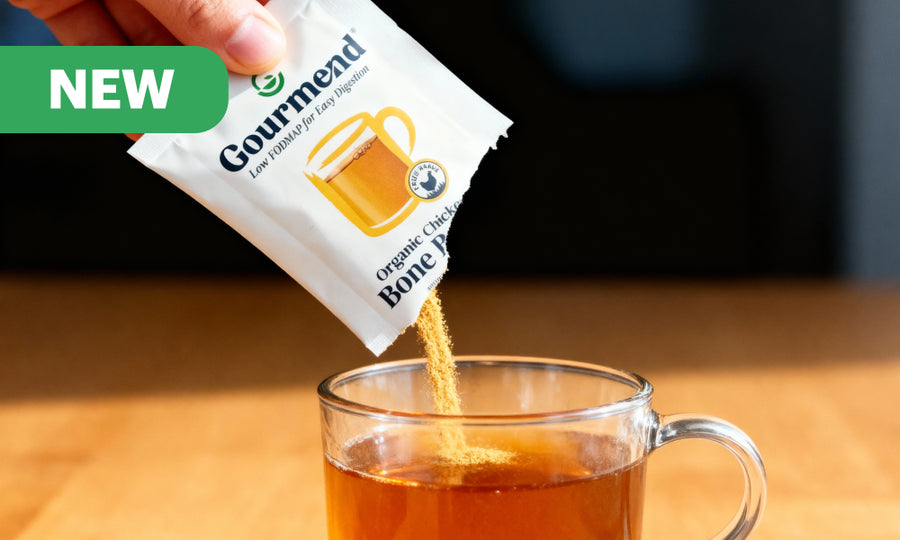
Most IBS flares from matcha drinks aren't caused by the stone-ground green tea powder. They're triggered by high FODMAP milk choices, sweeteners like honey or agave, or simply drinking too much caffeine on an empty stomach. Understanding these variables transforms matcha from a digestive gamble into a reliable, gut-friendly ritual. For those seeking additional gut-friendly options, Organic Chicken Bone Broth | Low FODMAP & Unsalted can be a soothing, low FODMAP beverage alternative.
When building your daily routine, it's helpful to have other IBS-safe staples on hand. Consider adding Organic Garlic Chive Powder to your pantry for flavor without FODMAP worries.
Matcha 101: What It Is, How It's Different, and Why It Matters for FODMAPs

Matcha is stone-ground green tea leaves, specifically Camellia sinensis grown in shade, that you whisk directly into water. Unlike regular green tea where you steep and discard the leaves, matcha means you consume the entire leaf. A typical serving uses ½–1 teaspoon (roughly 1–2 grams) of this vibrant green powder.
This "whole leaf" difference matters for IBS management because you're ingesting more caffeine and plant compounds per serving. However, matcha doesn't automatically contain more FODMAPs. Tea leaves are primarily composed of fiber, polyphenols, and pigments, not the fermentable carbohydrates that trigger digestive symptoms.
| Factor | Matcha | Regular Green Tea |
|---|---|---|
| Preparation | Whole leaf powder whisked into water | Leaves steeped, then removed |
| Caffeine per 8 oz | 70–140 mg (depending on amount used) | 25–50 mg |
| Leaf consumption | Complete leaf ingestion | Water extraction only |
| Main FODMAP concern | Add-ins (milk, sweeteners) and serving size | Add-ins (milk, sweeteners) |
The real gut variables with matcha aren't the tea leaves themselves, they're caffeine sensitivity, concentration strength, and what you blend with your drink. Most digestive issues stem from high FODMAP additions, not the matcha powder.
FODMAP Basics in Plain Language: Why They Matter More Than Ever in Your Mug
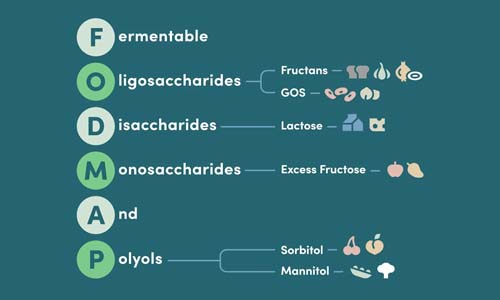
FODMAPs (Fermentable Oligosaccharides, Disaccharides, Monosaccharides, and Polyols) are specific types of carbohydrates that resist digestion in the small intestine. When they reach your colon, gut bacteria ferment them rapidly, producing gas and drawing water into your intestines. For people with IBS, this process triggers bloating, cramping, urgency, and altered bowel movements.
Understanding "low FODMAP" versus "FODMAP-free" is crucial for matcha lovers. Low FODMAP means a food contains minimal FODMAPs at specific serving sizes, not zero FODMAPs. Even low FODMAP foods can become problematic if you consume large quantities or combine multiple moderate-FODMAP ingredients in one meal.
Beverages often fly under the radar as hidden FODMAP sources. Many IBS flares come from seemingly innocent drink ingredients rather than obvious culprits like wheat or beans. A "healthy" matcha smoothie can easily exceed your FODMAP threshold through accumulated add-ins. For more inspiration on low FODMAP meals, check out this recipe for low fodmap miso salmon.
Common high FODMAP drink ingredients to avoid:
- Honey and agave nectar (excess fructose)
- Regular cow's milk (lactose)
- Coconut milk from cans (excess polyols)
- Chicory root or inulin-fortified products
- Large portions of mango, dates, or apple juice
Is Matcha Low FODMAP According to Lab Testing? Serving Sizes That Matter
Monash University research indicates that matcha is low FODMAP when consumed in typical serving sizes of ½–1 teaspoon (approximately 1–2 grams) per 8-ounce cup. At these measured portions, matcha contains minimal fermentable carbohydrates that would trigger IBS symptoms.
However, lab-tested serving sizes represent general guidelines, not personal tolerance limits. Some individuals may react to caffeine or other plant compounds in matcha even when FODMAP content remains low. The key distinction: lab-tested low FODMAP serving establishes the baseline safety zone, while your individual tolerance determines your personal sweet spot within that range.
Current research suggests staying within 1–2 teaspoons of matcha daily, spread across separate servings rather than consumed all at once. This limit accounts for both FODMAP accumulation and caffeine sensitivity, most people tolerate 70–140mg of caffeine from matcha better than equivalent amounts from coffee. If you're looking for more ways to support your gut, the Bone Broth Sampler Bundle offers a variety of nourishing, low FODMAP broths.
Low FODMAP Matcha Guidelines
- Maximum per serving: 1 teaspoon (2 grams) matcha powder
- Daily limit: 1–2 servings, spaced 4+ hours apart
- Optimal timing: Mid-morning or early afternoon with food
Signs you may have exceeded your personal matcha tolerance:
- Bloating or gas within 1–3 hours of consumption
- Sudden digestive urgency or loose stools
- Heart racing, jitters, or anxiety from caffeine overload
Low FODMAP vs FODMAP-Free: Where Matcha Actually Sits

"Low FODMAP" doesn't mean "limitless." This distinction matters significantly for matcha consumption. While pure matcha powder contains minimal FODMAPs at standard serving sizes, it's not completely FODMAP-free like water or plain salt.
Plant foods, including tea leaves, naturally contain small amounts of various carbohydrates. At measured portions (½–1 teaspoon), these amounts stay well below symptom-triggering thresholds. However, consuming large quantities, like 2+ tablespoons in smoothies or multiple strong servings throughout the day, can push your total FODMAP load into problematic territory.
The practical takeaway: treat matcha as low FODMAP in measured portions rather than a free-for-all ingredient. This approach respects both the science and your digestive comfort, allowing you to enjoy matcha confidently without overconsumption. For more on how other foods fit into a low FODMAP lifestyle, see this guide on is avocado low fodmap.
Matcha Through Each Phase of the Low FODMAP Diet
The low FODMAP diet follows three distinct phases: elimination (2–6 weeks removing high FODMAP foods), reintroduction (systematically testing tolerance), and personalization (creating your long-term eating pattern). Matcha fits differently into each phase based on your symptoms and goals.
Elimination Phase: You can include matcha if your symptoms are relatively stable and you're not dealing with severe caffeine sensitivity. Stick to ½ teaspoon once daily, mixed with low FODMAP milk alternatives, and avoid it during your worst symptom days. This conservative approach helps you establish a baseline without adding variables.
You're a good candidate to trial matcha in elimination if:
- You currently tolerate coffee or tea in small amounts
- Your symptoms follow predictable patterns (not chaotic daily flares)
- You can measure portions accurately and consistently
Reintroduction Phase: Test matcha specifically rather than grouping it with other caffeine sources. Try a structured 3-day approach: ½ teaspoon on day one, 1 teaspoon on day two, and 1½ teaspoons on day three, consumed at the same time each day with identical accompaniments. Monitor symptoms for 48 hours after each test.
Personalization Phase: Use your reintroduction results to establish your sustainable matcha routine. Most people land on ½–1 teaspoon daily, consumed mid-morning with their preferred low FODMAP milk and sweetener combination.
Caffeine & Polyphenols in Matcha: How They Can Help or Hinder IBS
Matcha contains approximately 70mg of caffeine per ½ teaspoon and 140mg per full teaspoon, roughly equivalent to a weak cup of coffee. This caffeine directly affects gut motility, potentially offering benefits for constipation-predominant IBS while possibly aggravating diarrhea-predominant symptoms.
Unlike coffee's rapid caffeine hit, matcha contains L-theanine, an amino acid that promotes calm alertness. This unique combination may provide steadier energy without the jitters that often trigger gut symptoms in sensitive individuals.
Polyphenols and gut support: Matcha's concentrated catechins, particularly EGCG (epigallocatechin gallate), offer antioxidant benefits that may support overall digestive wellness. While we can't claim matcha "cures" IBS, these compounds contribute to the drink's reputation as a gentler caffeine source. If you want to learn more about matcha's origins and composition, see the Wikipedia entry on matcha.
Caffeine-Related Symptoms Often Mistaken for FODMAP Reactions:
- Heart palpitations or racing pulse within 30-60 minutes
- Anxiety or restlessness that peaks 1-2 hours after drinking
- Sudden energy crash 3-4 hours later
- Sleep disruption if consumed after 2 PM
Three Strategies to Reduce Caffeine Impact:
- Start with ½ teaspoon: Cut your matcha serving in half to assess tolerance
- Never drink on empty stomach: Pair with a small low FODMAP snack
- Time it right: Avoid matcha within 6-8 hours of bedtime
Nutritional Benefits of Matcha on a Low FODMAP Diet

Beyond caffeine, is matcha low fodmap while delivering meaningful nutrition? Absolutely. Matcha provides concentrated catechins, L-theanine, and trace amounts of vitamins A, C, and E, all without adding FODMAPs to your daily load.
For those following a low FODMAP approach, matcha offers a sophisticated flavor experience when many traditional comfort drinks feel off-limits. Unlike sugary coffee shop beverages or high-lactose chai lattes, pure matcha gives you control over every ingredient. If you're looking for more ways to enhance your low FODMAP cooking, try the Organic Vegetable Broth (Low FODMAP & Unsalted) for soups and savory recipes.
Key nutrients per teaspoon: Matcha delivers approximately 70mg of catechins, 19mg of L-theanine, and small amounts of chlorophyll, the compound responsible for its vibrant green color. These bioactives complement a gut-friendly eating pattern without overwhelming sensitive digestion.
Flavor-Forward Benefits for IBS-Friendly Lifestyles:
- Coffee alternative without heavy creamers: Enjoy rich, umami flavor with simple low FODMAP milk choices
- Versatile in recipes: Add earthy sweetness to breakfasts and desserts without FODMAP concerns
- Ritual without restriction: Create a mindful drinking practice that supports, rather than sabotages, your gut health
Important caveat: Nutrition is a welcome bonus, but tolerance always comes first. If matcha doesn't feel good in your body, the antioxidant benefits aren't worth digestive discomfort.
How to Drink Matcha on a Low FODMAP Diet
Success with matcha on a low FODMAP diet comes down to three core principles: measure precisely, dilute adequately, and test your personal tolerance gradually. For another delicious low FODMAP meal idea, try this low fodmap crisp roasted baby potatoes recipe.
Step-by-Step: Low FODMAP-Friendly Basic Matcha
- Measure ½ to 1 teaspoon matcha powder using a level measuring spoon (approximately 1-2 grams)
- Create a paste: Mix matcha with 1-2 tablespoons cool water, whisking until completely smooth
- Add hot water: Top up to 8-10 ounces with water heated to 160-175°F (avoid boiling, which creates bitterness)
- Whisk vigorously in a "W" pattern until frothy
Timing considerations: Try matcha mid-morning or early afternoon, at least 60 minutes after eating. This timing helps you distinguish between food-related symptoms and matcha-specific reactions.
| Approach | Matcha Amount | Liquid Volume | Frequency |
|---|---|---|---|
| Gentle Starter | ½ teaspoon | 10-12 oz | Once daily max |
| Moderate | ¾ teaspoon | 8-10 oz | Once daily |
| Higher-Caffeine | 1 teaspoon | 8 oz | Test tolerance first |
Avoid very hot temperatures if heat tends to aggravate your gut symptoms. Let your matcha cool slightly and sip slowly over 15-20 minutes rather than drinking quickly. For a comforting, low FODMAP beverage to enjoy alongside your matcha, try the Organic Unsalted Chicken Bone Broth Powder - 8 Single Serve Packets.
Measuring a Low FODMAP Serving of Matcha
Precision matters when testing whether is matcha low fodmap for your individual tolerance. Small variations in serving size can mean that even a healthy ingredient can become problematic. For a scientific perspective on FODMAPs and IBS, see this external resource on PubMed.
Frequently Asked Questions
Is pure matcha powder considered low FODMAP, and what is the safe serving size for people with IBS?
Pure matcha powder is low FODMAP when consumed in measured servings, typically up to 2 teaspoons (4 grams). Larger amounts may increase FODMAP content and potentially trigger IBS symptoms.
How do caffeine content and individual caffeine tolerance affect the digestive safety of drinking matcha for IBS sufferers?
Caffeine content in matcha can impact digestive comfort, as some people with IBS are sensitive to caffeine. Individual tolerance varies, so it’s important to monitor how your body responds and adjust intake accordingly.
What types of additives or mix-ins can increase the FODMAP content of a matcha drink and potentially trigger IBS symptoms?
Additives like high FODMAP milk alternatives, sweeteners such as honey or agave, and other sugary or dairy ingredients can raise the FODMAP content of matcha drinks and may trigger IBS symptoms.
How does consuming whole matcha leaves differ from regular green tea in terms of FODMAP impact and digestive considerations?
Matcha involves consuming the whole stone-ground green tea leaf, which means more caffeine and plant compounds per serving compared to steeped green tea. However, this doesn’t necessarily increase FODMAPs, since tea leaves are low in fermentable carbohydrates.