



Is Lactose-Free Milk Low FODMAP? Serving Sizes and Label Tips

Is lactose free milk low fodmap
Is Lactose-Free Milk Low FODMAP?
The Quick Answer: Yes, With a Serving Size Caveat
Is lactose free milk low fodmap? Yes. For anyone in the elimination phase of the Monash University protocol, lactose-free cow's milk is a reliable dairy staple. The enzyme lactase is added to break down the complex sugar (lactose) into simple sugars, so your digestive system doesn't have to do the work. That makes it safe for most people with IBS who struggle with disaccharides.
Key Takeaways
- Lactose-free milk is low FODMAP because the added lactase enzyme breaks down lactose into simple sugars your body can handle.
- This makes it a safe dairy choice during the Monash University elimination phase for people with IBS.
- Those who struggle with disaccharides can enjoy lactose-free milk without triggering digestive symptoms.
- The simple sugars produced by lactase do not cause the same FODMAP reaction as intact lactose.
Portion control still matters. A standard serving of one cup (250ml) is a green-light portion. Drinking more than that in one sitting might cause discomfort for some, as other milk proteins can affect transit time. Monitor your own tolerance when reintroducing dairy.
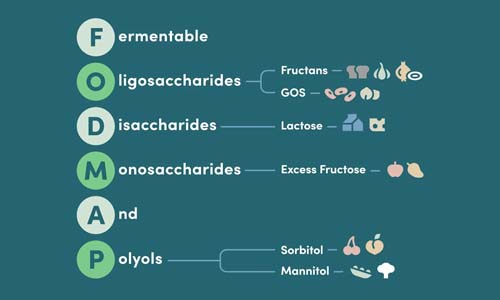
Lactose is the "D" in FODMAP. Disaccharides. By choosing lactose-free options, you bypass the primary trigger in traditional dairy while keeping the calcium, protein, and vitamin D of standard cow's milk.
Why Lactose-Free Milk Works for the Low FODMAP Diet
The science is straightforward: enzymatic conversion turns lactose into glucose and galactose. In a typical gut, your body produces lactase to split these sugars. Many people with IBS don't make enough lactase, so undigested lactose ferments in the large intestine, causing gas and bloating. Lactose-free products undergo this conversion before they reach your glass, so the sugars are easily absorbed in the small intestine.
This process doesn't change the nutritional profile, though you might notice a slightly sweeter taste. Glucose and galactose are sweeter than lactose. That makes lactose-free milk an excellent base for savory sauces or morning coffee without added sweeteners. It gives you the creamy mouthfeel many miss when switching to water-based alternatives.
Lactose-Free vs. Dairy-Free: A Critical Distinction

What 'Lactose-Free' Actually Means on a Label
A common mix-up: lactose-free is not dairy-free. Lactose-free milk is still real cow's milk. It contains animal proteins like casein and whey. It's simply processed to remove the problematic sugar. That's important if you enjoy the taste of real dairy but need to avoid fermentable carbohydrates. Understanding that is lactose free milk low fodmap relies on this enzymatic process helps you shop with confidence.
When reading labels, look for Monash University or FODMAP Friendly certification marks. Most plain lactose-free milks are safe, but flavored versions might contain high FODMAP additives like high fructose corn syrup or certain thickeners. Stick to unsweetened, plain varieties during the elimination phase.
Why 'Dairy-Free' Is Not Always Low FODMAP
Assuming all dairy-free or vegan milks are safe is a common mistake. Many plant-based alternatives come from high FODMAP sources or are processed in ways that concentrate triggers. For example, legume-based milks or those sweetened with agave can quickly exceed your daily limit for oligosaccharides or fructose. Being dairy-free doesn't automatically mean low FODMAP. Always check individual ingredients and serving sizes.
Comparing Dairy and Plant-Based Options
Lactose-Free Dairy
- High protein and calcium content
- Natural creamy texture for cooking
- Familiar taste profile for traditional recipes
- Widely available in most grocery stores
Dairy-Free Alternatives
- May contain hidden gums or thickeners
- Often lower in natural protein
- Varying FODMAP levels by source
- Potential for added high-fructose sweeteners
Low FODMAP Milk Alternatives: A Cheat Sheet with Portion Sizes
Oat Milk: Limit to ¼ Cup (100ml)
A frequent question: is oat milk low fodmap for daily use? Oats themselves are a great fiber source, but the liquid extraction process concentrates GOS (galacto-oligosaccharides). You can enjoy oat milk, but strictly limit the portion to 100ml (about a quarter cup). That's enough for a splash in tea or coffee, but a full glass would likely push you into high FODMAP territory.
Soy Milk: Only If Made from Isolated Soy Protein
The answer to is soy milk low fodmap depends entirely on the soybean part used. Milk made from whole soybeans is high in FODMAPs due to GOS. But soy milk made from soy protein isolate is low FODMAP and safe for larger servings. Check the ingredient list for "soy protein isolate" rather than "whole soybeans."
| Milk Type | Low FODMAP Serving Size | Key Consideration |
|---|---|---|
| Lactose-Free Cow Milk | 1 Cup (250ml) | Best for traditional flavor |
| Almond Milk | 1 Cup (250ml) | Check for added thickeners |
| Rice Milk | ¾ Cup (200ml) | High glycemic index |
| Coconut Milk (Canned) | ¼ Cup (60ml) | High in sorbitol at larger portions |
Almond, Rice, and Coconut Milk: Safe Options at Larger Portions
Almond milk is naturally low FODMAP at a standard one-cup serving. It offers a light, nutty flavor that works well in smoothies. Rice milk is another safe alternative, though it's thinner and higher in carbohydrates. Coconut milk is more complex: shelf-stable cartons are generally safe at one cup, but the rich canned version used for cooking is limited to a quarter cup because of its sorbitol content. Balancing these options gives you variety without fear of a flare-up.
Beyond Milk: Lactose-Free Yogurt, Cheese, and Cream
Lactose-Free Greek Yogurt: Yes, in Moderation
For those asking is lactose free greek yogurt low fodmap, the news is positive. Greek yogurt is already lower in lactose than regular yogurt because of the straining process, and lactose-free versions are even safer. A serving of roughly 150g is typically well-tolerated. It provides dense protein and probiotics, which support overall gut health when consumed within these guidelines.
Hard Cheeses: Naturally Low FODMAP
You don't always need a "lactose-free" label for cheese. The cheesemaking process naturally separates the whey (where most lactose resides) from the curds. Aged, hard cheeses like Cheddar, Parmesan, Swiss, and Pecorino Romano are naturally low in lactose. You can safely enjoy about 40g without needing specialized lactose-free versions. That opens up culinary possibilities for those who thought dairy was entirely off the table.
Lactose-Free Cottage Cheese and Cream: What to Watch For
If you're looking for is lactose free cottage cheese low fodmap or is lactose free cream low fodmap, exercise more caution. These fresh dairy products would normally be very high in lactose. The lactose-free versions are safe, but they often contain gums like guar gum or carrageenan to maintain texture. While these gums aren't FODMAPs, they can irritate some sensitive systems. Stick to two tablespoons for cream and half a cup for cottage cheese to stay safe.
Flavor-Boosting Your Low FODMAP Dairy with Gourmend Seasonings

Eating for gut health shouldn't mean sacrificing the joy of a well-seasoned meal. When you use lactose-free milk or cream as a base for sauces, the flavor profile can feel flat. That's where high-quality, clean-label seasonings make a difference. By using ingredients that mimic the depth of onion and garlic without the fructans, you can create gourmet results at home.
Our Low FODMAP Taco Seasoning is a perfect example. While it's designed for tacos, the blend of single-origin spices like hand-picked cumin and black lime can be whisked into lactose-free sour cream or yogurt to create a sophisticated dip or sauce. It gives you the kick you crave without the digestive consequences of standard grocery store blends that rely on garlic and onion bulbs.
Recipe Idea: Creamy Zesty Crema
Whisk two teaspoons of Low FODMAP Taco Seasoning into a half-cup of lactose-free Greek yogurt. Add a squeeze of fresh lime and a pinch of salt. This creates a rich, savory topping for grilled chicken or roasted vegetables that's entirely gut-friendly.
Using our Garlic Scape Powder or Green Onion Powder in a lactose-free béchamel sauce lets you reclaim classic comfort foods like macaroni and cheese or vegetable gratin. Since is lactose free milk low fodmap is a settled fact, combining it with our lab-tested seasonings ensures your meals are both delicious and gentle on your system. We source from small farms and avoid fillers like corn starch or sugar, so every pinch delivers pure, concentrated flavor.
Nutritional Comparison and Cooking Performance
When choosing a milk substitute for your low FODMAP lifestyle, evaluate both the micronutrient profile and how the liquid behaves in cooking. Lactose-free cow milk provides complete protein and is often fortified with Vitamin D and calcium, matching the nutritional density of standard dairy. That makes it a superior choice for bone health and muscle repair. Many plant-based alternatives offer different nutrients but often require significant fortification to reach a similar baseline.
Cooking performance varies significantly. Lactose-free milk behaves identically to regular milk in reduction sauces, custards, and baked goods because its protein structure remains intact. Plant-based milks, especially almond or oat, may separate or thin out when exposed to high heat. Understanding these differences ensures your low FODMAP swaps don't compromise the texture or structural integrity of your favorite recipes.
Selecting the Best Lactose-Free Milk for IBS
Identifying the best lactose free milk for ibs involves more than checking the FODMAP label. Consider fat content and any stabilizers. Full-fat versions provide a creamier mouthfeel that can buffer coffee acidity, while skim versions feel thinner. For sensitive systems, avoid brands that use carrageenan or excessive natural flavors. These additives can sometimes cause symptoms that mimic a FODMAP reaction. Prioritize clean-label products that focus on the purity of the milk itself.
Your personal tolerance to dairy proteins may also influence your choice. Lactose is removed, but casein and whey remain. If even lactose-free dairy causes discomfort, you might have a sensitivity to these proteins rather than the sugar. In that case, exploring A2 milk varieties (which contain a different type of casein) might help. Test small portions of different lactose-free brands to find what sits easiest in your stomach while delivering the flavor you want.
Incorporating Low FODMAP Dairy into Daily Meals
Integrating lactose-free products into your diet takes a bit of culinary creativity and an understanding of flavor balance. Because lactose-free milk has a slightly sweeter profile (from the broken-down sugars), it pairs exceptionally well with savory herbs and spices. Use lactose-free cream in a mushroom risotto or potato gratin for that rich, velvety texture. By focusing on high-quality fats and clean dairy, you can reconstruct classic comfort foods that are typically off-limits on a low FODMAP diet.
Breakfast is often the toughest meal for those avoiding FODMAPs, but lactose-free yogurt and milk make it manageable. Create a protein-packed parfait with lactose-free Greek yogurt, a handful of strawberries, and certified low FODMAP granola. For a warm option, use lactose-free milk to prepare oatmeal from certified gluten-free oats, topped with a drizzle of maple syrup and a few walnut halves. These small adjustments ensure you start your day with satisfying, gut-friendly fuel.
Determining Which Milk Is Low FODMAP for Your Needs
When deciding which milk is low fodmap for your pantry, consider versatility. Lactose-free cow milk remains the gold standard. It froths for lattes and provides structure in baked goods. If you're avoiding all animal products, almond milk and soy milk made from isolate are your best bets. Keep two types on hand: a rich, creamy option for cooking and a lighter, neutral one for smoothies or drinking. That variety prevents menu fatigue and ensures you're ready for any recipe.
Storage and shelf stability are practical considerations. Many lactose-free milks come in both refrigerated and shelf-stable formats, so you can stock up without worrying about spoilage. Plant-based milks often have a longer shelf life once opened, but always check the manufacturer's recommendations. Keeping a variety in your refrigerator means you can whip up a low FODMAP meal at a moment's notice. Whether it's a quick weeknight pasta or a slow-simmered soup using our organic bone broths as a base.
Advanced Seasoning for Low FODMAP Cooking

The key to exceptional low FODMAP cooking is building layers of flavor that compensate for the absence of garlic and onion bulbs. Many home cooks end up with bland results because they simply remove the aromatics without replacing them with equally potent alternatives. Use the green parts of scallions, the tops of leeks, and garlic scapes to get the allium flavor you miss without the high FODMAP content. These ingredients create depth that supports the delicate nature of lactose-free dairy.
Our approach at Gourmend involves sourcing single-origin spices that deliver a clean, powerful punch. For example, using our Low FODMAP Taco Seasoning in a marinade for chicken or fish infuses the dish with complex notes of cumin and coriander. These spices pair beautifully with the richness of lactose-free yogurt, tenderizing the meat and improving texture. By thinking of spices as more than just a finishing touch, you transform simple ingredients into a gourmet experience that respects your digestive limits.
Exploring Cheese Options and Flavor Pairings
Many people wonder is lactose free cheese low fodmap and how it compares to natural aged varieties. Hard, aged cheeses are naturally low in lactose, but specifically labeled lactose-free cheeses provide peace of mind during the strict elimination phase. These products let you enjoy creamy sauces and cheesy toppings without fear. When pairing, consider the balance of salt and fat. A sharp, lactose-free cheddar can cut through the richness of a cream sauce, providing a necessary contrast that keeps the palate engaged.
Experiment with homemade lactose-free cream cheese spreads. Blend lactose-free cream cheese with fresh chives and a pinch of our Green Onion Salt to create a flavorful spread for cucumber rounds or low FODMAP crackers. This hands-on approach to seasoning ensures you're not just avoiding triggers. You're actively enjoying the process of eating. The goal is to reach a point where your low FODMAP diet feels like a preference rather than a restriction, filled with bold tastes and satisfying textures.
Remember that the low FODMAP diet is a tool for healing, not a permanent state of deprivation. By mastering lactose-free dairy and high-quality, certified seasonings, you can recreate almost any dish. Focus on the quality of your ingredients. From the milk you pour to the spices you sprinkle. And you'll find your meals are just as exciting as they were before your diagnosis. Research on FODMAPs and digestive health continues to support these dietary strategies.
Synthesis and Recommendations for Low FODMAP Dairy Choices
After examining the science behind lactose removal and the variety of milk alternatives, a clear picture emerges: lactose-free dairy products offer a safe, nutritious, and flavorful foundation for anyone following the low FODMAP protocol. The key is understanding that is lactose free milk low fodmap is a settled question, but individual tolerance and portion sizes still matter. By choosing certified products and paying attention to serving sizes, you can enjoy the creamy texture and nutritional benefits of real dairy without triggering symptoms.
For those who prefer plant-based options, almond milk and soy milk made from isolated soy protein are reliable choices at standard serving sizes. Oat milk requires careful portion control, while rice milk offers a safe but nutritionally thinner alternative. The diversity of options means no one needs to feel restricted their morning coffee, cereal, or cooking needs. Each choice brings its own texture and flavor profile, allowing you to tailor your selection to the specific dish you're preparing.
The Verdict on Lactose-Free Dairy for IBS Management
For individuals managing IBS, the best lactose free milk for ibs is one that aligns with both your digestive tolerance and your culinary preferences. Lactose-free cow milk stands out for its protein content, cooking versatility, and familiar taste. It works seamlessly in recipes ranging from creamy pasta sauces to baked goods. When combined with high-quality, certified low FODMAP seasonings, it becomes part of a sustainable eating pattern that supports long-term gut health without sacrificing pleasure at the table.
The market for low FODMAP products continues to expand, offering more choices. Advances in food science make it easier to identify and avoid triggers while still enjoying diverse cuisines. The future of gut-friendly eating lies in better ingredient sourcing and smarter seasoning. Not in restriction. By staying informed and experimenting with new products and recipes, you can build a diet that's both gentle on your system and exciting for your palate.
Final Recommendations for Your Low FODMAP Kitchen
Stock your pantry with a few key staples. Keep lactose-free milk or a safe plant-based alternative on hand for cooking and drinking. Invest in certified low FODMAP seasonings like our Low FODMAP Taco Seasoning to add depth and complexity without relying on high FODMAP aromatics. Experiment with lactose-free yogurt, hard cheeses, and small amounts of lactose-free cream to expand your recipe repertoire. Having these building blocks ready means you can prepare a satisfying meal at any time without stress.
The low FODMAP diet is a journey of discovery. Your tolerance may change over time, and reintroducing certain foods under guidance can help you identify your personal limits. The goal isn't to follow a rigid set of rules forever, but to develop a flexible, enjoyable way of eating that supports your digestive health. With the right knowledge and the right ingredients, you can create meals that are delicious first and gentle always. Trust your body, keep experimenting, and let flavor be your guide.
The most successful low FODMAP eaters are those who view the diet as an opportunity to explore new ingredients and cooking techniques. Lactose-free dairy opens the door to classic comfort foods, while certified seasonings like our Low FODMAP Taco Seasoning bring global flavors into your kitchen without the digestive risk. Embrace the process, and you'll find that gut health and gourmet eating are not mutually exclusive.
References
Frequently Asked Questions
Can IBS patients drink lactose free milk?
Yes, IBS patients can usually drink lactose-free milk. Because the lactose has been broken down into simpler sugars, it won't trigger the fermentation that causes gas and bloating in many people with IBS. Just keep an eye on portion size: one cup (250ml) is a safe starting point, and some may tolerate more or less depending on their individual sensitivity.
Which lactose free milk is low in FODMAP?
All plain, unsweetened lactose-free cow's milk is low FODMAP because the lactose (the ‘D’ in FODMAP) has been enzymatically converted to glucose and galactose. Avoid flavored versions that may contain high FODMAP additives like high fructose corn syrup or inulin. Look for a Monash University or FODMAP Friendly certification on the label for added confidence.
What milk is best for a low FODMAP diet?
Lactose-free cow's milk is the best option for those who want the closest taste and nutrition to regular milk while staying low FODMAP. If you prefer plant-based alternatives, unsweetened almond milk and rice milk are safe at standard servings. For soy milk, choose one made from soy protein isolate rather than whole soybeans. Always check serving sizes, as some milks like oat milk are only low FODMAP in small amounts.
What is the best milk to drink if you have IBS?
For IBS, lactose-free cow's milk is often the most reliable choice because it provides calcium and protein without the fermentable sugars that cause symptoms. If you cannot tolerate dairy protein, unsweetened almond milk and rice milk are low FODMAP and generally well-tolerated. Avoid canned coconut milk in large portions, and remember that everyone’s triggers are different, so test your tolerance one new milk at a time.
Does the low FODMAP diet help with MCAS?
Many people with Mast Cell Activation Syndrome (MCAS) find that a low FODMAP diet reduces gut inflammation and may help calm mast cell triggers. While the diet is primarily designed for IBS, avoiding fermentable carbohydrates can ease bloating and digestive distress that often accompany MCAS. It is not a treatment for the condition itself, so always work with a healthcare provider for a comprehensive plan.
How much lactose free milk can I have on a low FODMAP diet?
A standard low FODMAP serving of lactose-free milk is one cup (250ml). This is considered a green-light portion by Monash University. Drinking more than that in a single sitting could still cause discomfort for some people, as other milk proteins may affect digestion. Start with this serving size and adjust based on your personal tolerance.
What is the difference between lactose-free and dairy-free milk for a low FODMAP diet?
Lactose-free milk is still real cow's milk with the lactose removed, so it contains dairy proteins like casein and whey. Dairy-free milks come from plants and may be low or high FODMAP depending on the source. For example, unsweetened almond milk is low FODMAP, while oat milk is only safe in small amounts. Always check the ingredient list and serving size, because ‘dairy-free’ does not guarantee low FODMAP.