


Is Garlic Gluten-Free? Gourmend Foods Guide 2026

Is garlic gluten free
Fresh Garlic? Naturally Gluten-Free
Yes, fresh garlic is naturally gluten-free. As a single-ingredient whole food, garlic bulbs contain no wheat, barley, rye, or other gluten-containing grains. The complexity emerges with processed forms like powders and seasoning blends, where manufacturing practices and additives can introduce gluten contamination.
Key Takeaways
- Fresh, whole garlic is naturally free from gluten-containing grains.
- Processed garlic products, such as powders and seasoning blends, can introduce gluten through manufacturing or additives.
- Always check ingredient labels on garlic powders and seasoning blends to confirm their gluten-free status.
Fresh garlic belongs to the allium family alongside onions, leeks, and chives. This aromatic bulb develops its signature pungency through sulfur compounds called allicin, which forms when cell walls break during chopping or crushing. Since garlic grows as a plant bulb, it naturally contains zero gluten proteins.
But here's where things get tricky.
Gluten refers to specific proteins found in wheat, barley, rye, and triticale. These elastic proteins create structure in bread dough but can trigger autoimmune responses in people with celiac disease. The real issue? Gluten can sneak into unexpected places through cross-contamination during processing, shared manufacturing equipment, or as additives in spice blends.
Manufacturing Reality Check
Even naturally gluten-free ingredients can become contaminated if processed in facilities that also handle wheat, barley, or rye products. This explains why some spice companies include "may contain gluten" warnings on otherwise pure ingredients.
The Processed Garlic Minefield

Garlic Powder: Read Every Label
Most single-ingredient garlic powders are gluten-free, but verification requires careful label reading. Production involves slicing fresh garlic, dehydrating it at controlled temperatures, then grinding it into fine particles. Pure garlic powder should contain only dehydrated garlic.
The problem? Some manufacturers add anti-caking agents, preservatives, or flow aids that may contain gluten-derived ingredients. Look for products listing only "garlic" or "dehydrated garlic" without additives like maltodextrin or modified food starch, which can be sourced from gluten-containing grains.
Where Gluten Actually Hides
Seasoning blends pose higher gluten risks than pure spices. Garlic salt, seasoned pepper, and herb mixtures can include anti-caking agents or flavor carriers that contain wheat or are produced in shared facilities. Always scrutinize ingredient lists on multi-ingredient seasonings, even those featuring garlic as the primary flavor.
Our Organic Garlic Chive Powder contains only freeze-dried organic garlic chives with no fillers, preservatives, or gluten-containing additives.
The Filler Factor: What to Watch Out For
Anti-caking agents and carriers can be sourced from wheat, and modified food starch may contain gluten proteins when derived from gluten-containing grains. Some colorants and flavor carriers use wheat-based ingredients that aren't obvious at first glance.
Our Clean-Label Promise
We believe transparency starts with ingredient lists you can actually understand. Our seasonings contain no fillers, preservatives, stabilizers, anti-caking agents, maltodextrin, yeast extract, corn starch, or gluten. Each product uses organic ingredients selected to deliver bold flavor without digestive compromise.
Your Spice Cabinet Deep Dive
Is onion powder gluten free? Pure dehydrated onion powder follows the same rules as garlic powder. Single-ingredient versions are naturally gluten-free, but blended onion seasonings may contain wheat-derived additives.
Is salt gluten free? Pure salt contains only sodium chloride, making it naturally gluten-free. Is pepper gluten free? Whole peppercorns and pure ground pepper are typically safe choices. Seasoned salts and pepper blends, however, may include wheat-based ingredients.
Is paprika gluten-free? Ground paprika from pure dried peppers contains no gluten proteins. This spice adds color and mild heat without gluten concerns. Like other single-ingredient spices, paprika becomes risky only when combined with fillers or processed in facilities that also handle gluten-containing ingredients.
Is ginger gluten free? Is cumin gluten free? Single-ingredient versions of these spices are naturally safe for most gluten-sensitive individuals.
Decoding Spice Labels
Look for "Certified Gluten-Free" labels from recognized organizations. Phrases like "processed in a facility that also processes wheat" indicate potential cross-contamination. When ingredient lists include vague terms like "natural flavors," "spices," or "seasonings" without specifics, contact the manufacturer directly.
When Your Gut Says No to Garlic
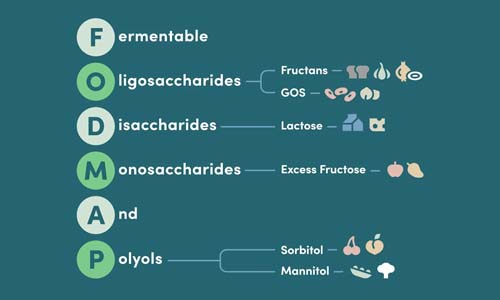
Here's a plot twist: while garlic is gluten-free, it contains high levels of fructans, which are FODMAPs that can trigger digestive symptoms in sensitive individuals. People with IBS often need to limit or avoid garlic, creating a real challenge for home cooks who love savory flavor.
Traditional garlic alternatives like garlic-infused oils provide some flavor but can lack the concentrated punch of fresh garlic or garlic powder. Many commercial "garlic-free" seasonings rely on vague flavor ingredients or excessive sodium.
Enter Garlic Chives
Garlic chives offer a solution that bridges flavor and digestive comfort. These flat-leaf herbs provide a garlic-forward taste without the high FODMAP content of garlic bulbs. Our Organic Garlic Chive Salt contains over a pound of freeze-dried organic garlic chives per bottle and is certified low FODMAP.
We use garlic chives, scallion green tops, and leek green tops to create depth without common triggers. These ingredients are USDA Organic certified and freeze-dried to preserve flavor and shelf stability. People use it generously as a low FODMAP alternative to traditional garlic powder in sauces, proteins, vegetables, soups, and popcorn.
Cross-Contamination Reality
Even certified gluten-free facilities can face trace contamination through shared transportation, storage containers, or packaging materials. For individuals with celiac disease, confirm the brand's testing standards and follow guidance from a clinician.
Your Gluten-Free Shopping Strategy

Single-ingredient spices like garlic, ginger, cumin, and paprika pose minimal gluten risk when they contain only the named ingredient.
Always read ingredient panels, even for brands you've used before. Manufacturers sometimes reformulate products or change suppliers without updating package designs immediately. Look for unfamiliar additives, preservatives, or anti-caking agents that weren't present in earlier versions.
Advisory statements like "may contain wheat" indicate shared manufacturing equipment or facilities. People with celiac disease should treat these warnings seriously, while those with mild sensitivities may tolerate trace amounts.
Third-party certifications require testing below 20 parts per million of gluten, the FDA standard for gluten-free labeling. Organizations like GFCO (Gluten-Free Certification Organization) conduct facility inspections and ongoing testing.
Your Safe Harbor
Our commitment to clean labeling means every ingredient appears clearly on our packaging. No hidden fillers, no ambiguous "natural flavors," and no gluten-containing additives. Whether you're managing celiac disease, gluten sensitivity, or digestive concerns, our Low FODMAP Taco Seasoning and other seasonings deliver bold flavor without compromise.
Fresh garlic gets a green light for gluten-free diets, but processed products require extra vigilance. Choose single-ingredient spices when possible, read labels carefully, and select brands that prioritize transparent manufacturing practices like our Gourmend Sampler.
Frequently Asked Questions
Does garlic have gluten in it?
Fresh, pure garlic is naturally gluten-free. As a single-ingredient plant, it contains no gluten proteins like wheat, barley, or rye. However, processed garlic products, such as powders or seasoning blends, can sometimes contain gluten due to additives or cross-contamination during manufacturing.
What seasonings are not gluten-free?
While many single-ingredient spices, like pure salt, pepper, and paprika, are naturally gluten-free, the risk comes with seasoning blends. These might include anti-caking agents, modified food starch, or other fillers derived from gluten-containing grains. Always check ingredient labels carefully for specific additives or "may contain gluten" warnings.
What foods should celiacs avoid?
For individuals with celiac disease, it is essential to avoid wheat, barley, rye, and triticale, as these grains contain gluten proteins. Beyond these obvious sources, it is important to be cautious of processed foods, spice blends, and seasonings where gluten can hide as an additive or through cross-contamination. Always read ingredient labels to identify hidden gluten in unexpected places.
What is surprisingly not gluten-free?
While many whole foods are naturally gluten-free, some processed items can surprisingly contain gluten. Spice blends, seasoned salts, and even some garlic powders might include anti-caking agents, modified food starch, or flavor carriers that are wheat-derived or processed on shared equipment. This is why scrutinizing ingredient lists and looking for "Certified Gluten-Free" labels is so important for peace of mind.
How can I ensure processed garlic products are gluten-free?
To ensure processed garlic products are gluten-free, always read the ingredient label carefully. Look for products that list only "garlic" or "dehydrated garlic" and avoid those with additives like maltodextrin or modified food starch unless their source is verified. The most reliable way is to choose products with a "Certified Gluten-Free" label from a recognized organization.
Are Gourmend's garlic-related products gluten-free?
At Gourmend, we are committed to clean-label seasonings. For example, our Organic Garlic Chive Powder contains only freeze-dried organic garlic chives, free from gluten-containing additives. Our seasonings are crafted to deliver bold flavor without digestive discomfort, and we ensure they are free from gluten.