


Black Pepper Low FODMAP? Easy 2026 Guide for Gut-Friendly Flavor

Key Takeaways
- Black pepper is low FODMAP when used in typical cooking amounts.
- It adds sharp and bold flavor to meals without triggering IBS symptoms.
- Black pepper is a safe seasoning alternative to high FODMAP ingredients like garlic and onion powders.
- It supports sensitive digestion by lacking fermentable carbohydrates.
Table of Contents
- Quick Answer – Is Black Pepper Low FODMAP and How Much Can You Use?
- Low FODMAP 101 – What "Low FODMAP" Means for Spices Like Black Pepper
- Black Pepper and IBS – Why It's Usually Fine and When It Isn't
- How to Use Black Pepper Safely on a Low FODMAP Diet
- Black Pepper vs Other "Peppers" and Spices – What's Truly Low FODMAP?
- Black Pepper vs High-Risk Spice Mixes
- Building Big Flavor Without Garlic or Onion – Pairing Black Pepper with Low FODMAP Herbs & Umami
- Reading Labels – Finding Low FODMAP Pepper Blends and Avoiding Hidden FODMAPs
- Testing Your Personal Tolerance to Black Pepper (Reintroduction Strategy)
- Everyday Cooking with Black Pepper – Low FODMAP Use Cases and Meal Ideas
Is Black Pepper Low FODMAP? A Gourmet Guide for Sensitive Stomachs
If you're following a low FODMAP diet, you've likely wondered is black pepper low fodmap enough to add that essential sharp bite to your meals. The answer is reassuring: black pepper is considered low FODMAP in typical cooking amounts, making it a safe and flavorful ally for sensitive digestion. Unlike high FODMAP seasonings such as garlic and onion powders, black pepper delivers bold flavor without the fermentable carbohydrates that trigger IBS symptoms.
Understanding which spices support your digestive goals transforms cooking from restrictive to exciting. Black pepper not only passes the low FODMAP test but also serves as a cornerstone for building complex, gourmet flavors when traditional aromatics are off-limits.
For those seeking even more flavor and digestive support, try pairing black pepper with low FODMAP seasonings like garlic chive salt to create delicious, IBS-friendly meals.
Safe Serving Sizes by Form
| Form | Conservative Amount | Liberal Amount | Visual Guide |
|---|---|---|---|
| Ground black pepper | ⅛ teaspoon | ½ teaspoon | Pinch to generous sprinkle |
| Cracked black pepper | 15-20 grinds | 30-40 grinds | Light to moderate coating |
| Whole peppercorns | 3-4 pieces | 8-10 pieces | For simmering, remove before serving |
Where Black Pepper Fits in the Low FODMAP Phases
During elimination, stick to conservative portions (⅛ to ¼ teaspoon per meal) to establish your baseline tolerance. Keep black pepper unchanged when testing other foods during reintroduction, as it rarely causes issues. In the personalization phase, you can confidently increase to ½ teaspoon or more per serving based on your taste preferences.
Low FODMAP 101 – What "Low FODMAP" Means for Spices Like Black Pepper

A Plain-Language FODMAP Refresher
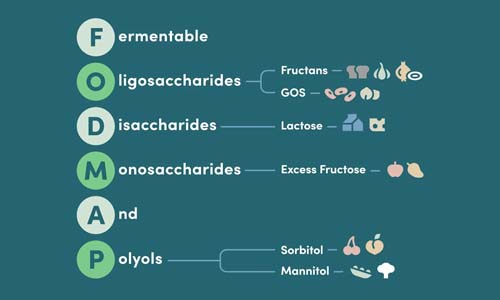
FODMAPs are specific types of carbohydrates that ferment in the gut, producing gas and drawing water into the intestines. For people with IBS or sensitive digestion, this fermentation process triggers uncomfortable symptoms like bloating, cramping, and irregular bowel movements.
Why Most Herbs and Spices Are Naturally Low FODMAP
Spices like black pepper are used in fractions of a teaspoon, meaning the total fermentable carbohydrate content per serving is extremely small. Even if black pepper contained moderate FODMAPs (which it doesn't), the tiny quantities used in cooking wouldn't reach problematic thresholds.
This contrasts sharply with high FODMAP seasonings like onion and garlic powders, which are often used in larger amounts and contain concentrated fructans, a primary FODMAP trigger.
FODMAP-Free vs Low FODMAP Seasonings
FODMAP-free ingredients contain no measurable fermentable carbohydrates, while low FODMAP ingredients contain minimal amounts that don't typically cause symptoms in standard serving sizes. Black pepper falls into the low FODMAP category, making it suitable even during strict elimination phases when every ingredient matters.
Black Pepper and IBS – Why It's Usually Fine and When It Isn't
FODMAP Sensitivity vs Spice/Heat Sensitivity
Some people react to black pepper's pungency and heat rather than its FODMAP content. These reactions typically manifest as heartburn, throat burning, or stomach irritation, different from the bloating and gas associated with FODMAP intolerance. Understanding this distinction helps you identify whether black pepper truly bothers your digestion or simply feels too intense.
When Black Pepper Might Bother You Anyway
Black pepper may cause discomfort in several situations, even though it's technically low FODMAP. People with severe reflux or active gastritis may find pepper's pungency irritating to inflamed stomach tissue. During elimination phases, amounts over ½ teaspoon per meal can feel intense regardless of FODMAP content.
High-fat spicy meals amplify pepper's heat sensation, potentially triggering reflux-like symptoms that mimic IBS discomfort. Very sensitive individuals may also react to the fine particles in pre-ground pepper, experiencing throat or esophageal irritation.
Practical Adjustments if Pepper Seems to Trigger Symptoms
Start with a pinch (roughly 1⁄16 teaspoon) and increase by the same amount every 2-3 days. This gradual approach helps distinguish between actual intolerance and temporary sensitivity during gut healing.
Choose freshly cracked over very fine pre-ground pepper if the powder feels harsh on your throat. Combine pepper with cooling elements like lactose-free yogurt sauces, fresh herbs, or citrus to soften the heat sensation while maintaining flavor complexity.
How to Use Black Pepper Safely on a Low FODMAP Diet
Portion & Frequency Guidelines
For everyday cooking during elimination, up to ¼ teaspoon per serving provides robust flavor without overwhelming sensitive digestion. During personalization phases, you can reasonably test up to ½ teaspoon per serving to establish your individual tolerance threshold.
Daily use in modest amounts is typically fine for most people following low FODMAP protocols. The key lies in consistency, stick with amounts that feel comfortable rather than pushing limits every meal.
Smart Seasoning Techniques for Gentle Digestion
Add pepper toward the end of cooking for brighter aroma and less perceived spiciness. For broths and sauces, start with a pinch per cup (240 ml) and let diners adjust at the table with fresh grinding.
Table-side grinding allows each person to control their preferred level while preserving the pepper's essential oils. This approach prevents over-seasoning and reduces the risk of digestive discomfort from excessive amounts.
Common Problems & Simple Fixes
If a dish becomes too peppery, dilute with more low FODMAP broth, lactose-free cream, or starchy additions like rice or potatoes. These ingredients absorb and mellow the heat without compromising the overall flavor profile.
For anxiety about symptoms, try pepper only at lunch rather than dinner to better observe your body's response. Pair initial tests with well-tolerated foods like plain rice, chicken, or carrots to isolate pepper's specific effects.
Black Pepper vs Other "Peppers" and Spices – What's Truly Low FODMAP?

| Spice Type | FODMAP Status | Suggested Starting Amount | Key Considerations |
|---|---|---|---|
| Black Pepper | Low FODMAP | ¼ teaspoon per serving | Most flexible; heat from piperine |
| Cayenne/Chili | Low FODMAP (small amounts) | ⅛ teaspoon or less | Capsaicin may trigger IBS-like symptoms |
| White Pepper | Low FODMAP | ⅛ teaspoon per serving | Sharper flavor; use half the black pepper amount |
| Garlic/Onion Powder | High FODMAP | Avoid during elimination | Major FODMAP contributors |
Black Pepper vs Chili & Cayenne
Both black pepper and cayenne can be low FODMAP in small amounts, but capsaicin in chili peppers often triggers IBS-like symptoms through different pathways. While is black pepper low fodmap has a straightforward yes answer, cayenne requires more caution with suggested starting servings of ¼ teaspoon or less per meal.
Black Pepper vs White Pepper & Mixed Peppercorns
White pepper shares a similar FODMAP profile to black pepper but delivers sharper, more penetrating heat. Start with half the amount you'd typically use of black pepper. Mixed peppercorn blends (black, green, pink) are usually low FODMAP, but always check for added ingredients in commercial blends.
Black Pepper vs Garlic/Onion for Flavor
Garlic and onion are high FODMAP ingredients typically avoided during elimination phases. Black pepper provides sharp, savory backbone when combined strategically with herbs, citrus, and umami-rich ingredients like quality bone broth. This combination creates complex flavor layers without FODMAP concerns.
Black Pepper vs High-Risk Spice Mixes
Many commercial "steak," "lemon pepper," and "Cajun" blends hide onion and garlic powders behind generic "spices" labels. These hidden high FODMAP ingredients can trigger symptoms even when black pepper itself remains well-tolerated.
Check labels for explicit mentions of onion, garlic, shallot, or "vegetable powder." When ingredients aren't fully disclosed, choose single-ingredient black pepper or create your own blends using verified low FODMAP components.
Building Big Flavor Without Garlic or Onion – Pairing Black Pepper with Low FODMAP Herbs & Umami
Core Low FODMAP Flavor Partners for Black Pepper
Chives and garlic chives provide onion-like depth, while green leek tops and scallion greens add subtle sharpness. Combine these with basil, oregano, thyme, rosemary, parsley, cilantro, dill, mint, paprika, and cumin for complex flavor profiles that rival traditional garlic-onion combinations.
Cuisine-by-Cuisine Pairing Ideas
Italian-inspired dishes benefit from black pepper combined with basil, oregano, and chives, finished with Parmesan. Mexican-style cooking pairs pepper with cumin, paprika, cilantro, and lime. Indian-influenced meals use pepper alongside turmeric, cumin, ginger, and modest amounts of fenugreek. French-inspired dishes feature pepper with thyme, tarragon, and chive sprigs.
Using Broth and Umami for a Gourmet Boost
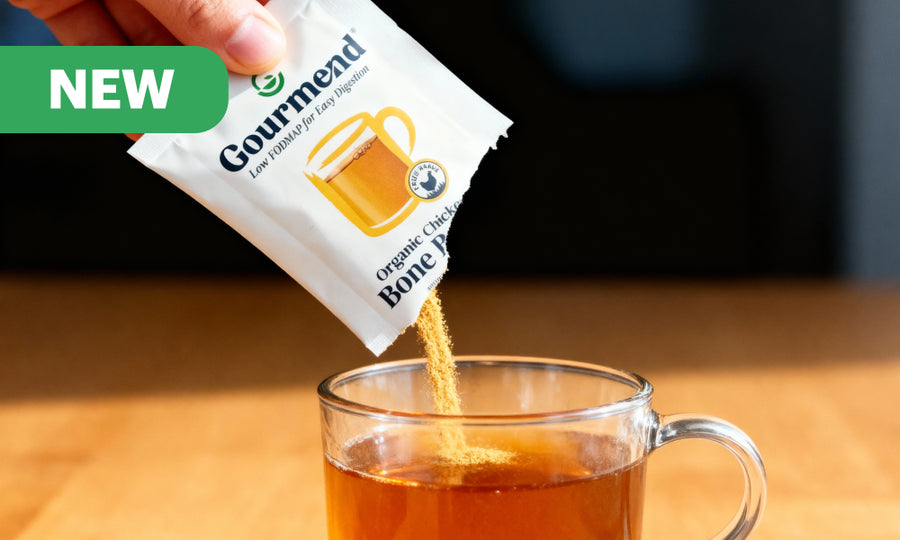
Quality bone broth and vegetable broth deepen flavor complexity, allowing you to use less salt and fewer intense spices while maintaining satisfaction. Gourmend Foods broths incorporate chives, scallion greens, leek greens, nori, and oyster mushrooms to deliver onion-like umami while staying low FODMAP.
This approach transforms simple pepper-seasoned dishes into restaurant-quality meals. Explore our low FODMAP recipe library for pepper-forward recipes that showcase these flavor-building techniques.
Reading Labels – Finding Low FODMAP Pepper Blends and Avoiding Hidden FODMAPs

How to Decode "Spices" and "Natural Flavors" on Labels
Garlic and onion can hide under "spices" or "natural flavors" in many commercial seasonings. Choose products that explicitly list all ingredients or carry "no onion, no garlic" claims when available.
What to Check in Pepper-Based Blends
Lemon pepper, steak seasoning, and Cajun blends frequently contain onion, garlic, shallot, or "vegetable powder." Some rubs include honey or high fructose sweeteners that can contribute additional FODMAPs beyond safe serving sizes.
Easy, Safe At-Home Pepper Blends
Create reliable blends using three ingredients or fewer: black pepper with sea salt and dried chives for all-purpose use, or black pepper with basil, oregano, and thyme for Italian-style dishes. For roasted vegetables, combine black pepper with smoked paprika and rosemary.
For a delicious side, try these low FODMAP crisp roasted baby potatoes seasoned with black pepper and fresh herbs.
Testing Your Personal Tolerance to Black Pepper (Reintroduction Strategy)
Simple 1-Week Pepper Challenge Plan
Days 1-2: Use a pinch (roughly 1⁄16 teaspoon) black pepper in one simple meal daily. Days 3-4: Increase to ⅛ teaspoon per meal. Days 5-7: Test ¼ teaspoon per meal while monitoring symptoms. Keep accompanying foods boring and reliably tolerated, rice, chicken, and carrots in low FODMAP broth work well.
What to Track and How to Interpret It
Log bloating, pain, gas, stool changes, and reflux within 24 hours of each test meal. If symptoms remain mild or unchanged, that level represents your likely tolerance threshold. Consistent mild symptoms suggest you've found your personal limit.
When to Pause and Get Support
Severe pain, repeated reflux, or diarrhea directly tied to increased pepper amounts signal the need to step back. Involve a GI-experienced dietitian if you observe concerning patterns but struggle to interpret their significance. For more on the science behind FODMAPs and digestive health, see this recent review of the low FODMAP diet.
Everyday Cooking with Black Pepper – Low FODMAP Use Cases and Meal Ideas
Simple Protein Templates with Pepper
Chicken and turkey benefit from rubs combining black pepper, salt, and chive sprigs before roasting or pan-searing in low FODMAP broth. Beef and pork develop excellent flavor with cracked black pepper crusts, seared then finished in broth-based pan sauces. Fish and tofu pair beautifully with black pepper, lemon, and fresh herbs, baked with splashes of vegetable or chicken bone broth.
For a gourmet main dish, try this low FODMAP braised short ribs recipe featuring black pepper and umami-rich broth.
For those who love variety, explore our Low FODMAP Foodie Bundle for a curated selection of gut-friendly essentials.
For additional guidance on FODMAPs and meal planning, you can also consult this comprehensive low FODMAP diet resource.
Frequently Asked Questions
Is black pepper safe to use on a low FODMAP diet for people with IBS?
Yes, black pepper is safe to use on a low FODMAP diet for people with IBS when used in typical cooking amounts. It adds bold flavor without fermentable carbohydrates that can trigger symptoms.
What is the recommended serving size of black pepper to avoid triggering IBS symptoms?
Conservative servings range from ⅛ to ¼ teaspoon of ground black pepper per meal, with the option to increase up to ½ teaspoon or more during personalization based on individual tolerance.
How does black pepper compare to high FODMAP seasonings like garlic and onion powders?
Black pepper is a low FODMAP alternative to high FODMAP seasonings like garlic and onion powders. It provides sharp, complex flavor without the fermentable carbs that often cause digestive discomfort.
Can black pepper be combined with other low FODMAP herbs and spices to enhance flavor?
Absolutely. Black pepper pairs beautifully with low FODMAP herbs and seasonings like garlic chive salt, helping you build rich, gourmet flavors that are gentle on digestion.