


IBS Psyllium Husk Guide: Gut Relief 2026

Ibs psyllium husk
Understanding Psyllium Husk: A Gut-Friendly Fiber for IBS
Psyllium husk is a soluble fiber supplement that can help manage both constipation-predominant and diarrhea-predominant IBS by regulating stool consistency and supporting healthy bowel movements. Start with 1 teaspoon daily, gradually increasing while maintaining adequate hydration.
What Exactly Is Psyllium Husk?
Psyllium husk comes from the seeds of Plantago ovata, a plant native to India and Iran. This soluble fiber forms a gentle gel when mixed with water. Quite different from harsh insoluble fibers that can trigger IBS flares. The husks contain mucilage, creating this beneficial gel-like consistency that I've found works well for sensitive digestive systems.
How It Works in Your Gut
When you take ibs psyllium husk, it absorbs water in your intestines and expands to create soft, well-formed stools. This mechanism helps normalize bowel movements whether you're dealing with constipation or loose stools. The gel formation also slows gastric emptying, reducing urgency and frequency. Two symptoms that really disrupt daily life with IBS.
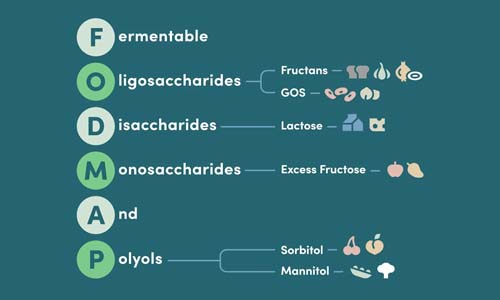
Gut-Friendly Advantage: Unlike wheat bran or other harsh fibers, psyllium husk is naturally low FODMAP and won't ferment quickly in the gut, making it suitable for many sensitive digestive systems.
Why Soluble Fiber Makes the Difference
Here's what sets psyllium apart: soluble fiber dissolves in water to form a viscous gel, while insoluble fiber stays intact and can irritate sensitive intestinal tissue. Psyllium's gentle nature allows it to bind with water molecules, creating bulk without that scratchy texture that makes many people with IBS avoid fiber supplements altogether.
Psyllium Husk for IBS: Tailored Support for Your Unique Needs

IBS-D Relief Through Water Absorption
For diarrhea-predominant IBS, how to take psyllium husk for diarrhea centers on its water-absorbing properties. The mucilage binds excess water in your intestines, which can help firm loose stools without causing the rebound constipation you might get from anti-diarrheal medications. I recommend starting with 1 teaspoon daily and adjusting based on your response.
IBS-C: Gentle Bulking That Actually Works
Constipation-predominant IBS often responds well to psyllium's bulking action. Unlike stimulant laxatives that can become habit-forming, psyllium husk ibs-c management works by adding soft bulk to stool and supporting natural motility. But here's the thing. You need adequate water intake. Without enough hydration, any fiber supplement can make constipation worse.
Real Benefits for IBS Management
Pros
- Regulates both loose stools and constipation
- Low FODMAP and gut-friendly for most people
- Non-habit-forming unlike stimulant laxatives
- Supports healthier stool environment overall
Cons
- Requires consistent water intake
- Can cause initial bloating if introduced too quickly
- May interfere with medication absorption
Pairing Fiber with Gut-Friendly Cooking
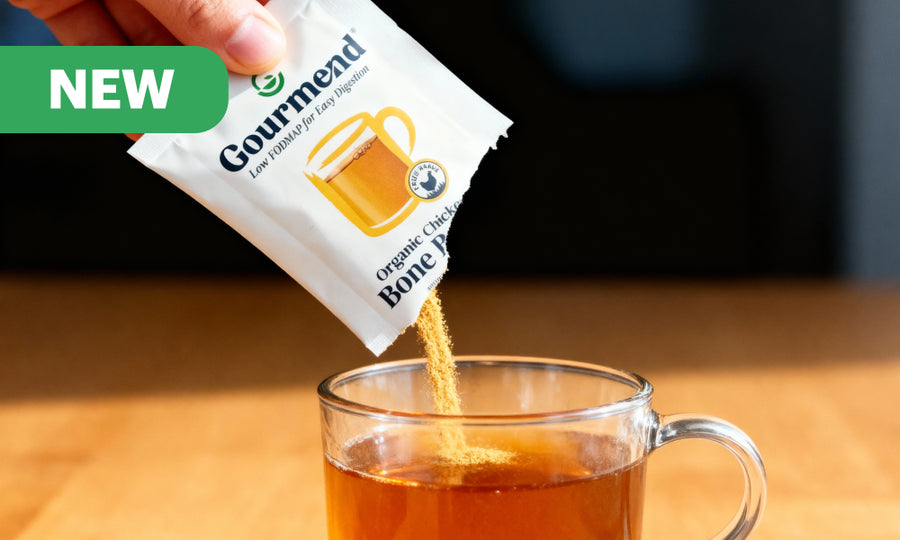
At Gourmend Foods, I've learned that psyllium works best alongside gut-friendly cooking. Our organic, low FODMAP broths offer an easy-to-digest base for soups and sauces, while our garlic-free seasonings add flavor without common IBS triggers. It's about creating a complete approach to gut comfort.
Getting the Dosage Right: Timing and Preparation for IBS
Finding Your Sweet Spot
Learning how to take psyllium husk for ibs requires recognizing that dosage varies by symptom pattern. For IBS-D, many people begin with 1/2 teaspoon mixed in 8 ounces of water, taken 30 minutes before meals. This timing allows the fiber to thicken before food arrives. Those managing psyllium husk ibs-c symptoms often split 1-2 teaspoons between morning and evening doses.
Start Low, Go Slow
Your digestive system needs time to adapt. Start with 1/4 teaspoon daily for the first week, then increase by 1/4 teaspoon every few days until reaching your target dose. This gradual approach reduces early bloating and gas that can discourage continued use. Many users in psyllium husk for ibs reddit discussions credit slow titration as key to better tolerance.
When to Take It Matters
Take psyllium husk 1-2 hours before or after medications to avoid absorption issues. For digestive support, try it 30 minutes before meals or 2 hours after eating. Evening doses can support morning regularity, while pre-meal timing helps with post-meal comfort. Always follow with an additional 8 ounces of water within the next hour.
| IBS Type | Starting Dose | Target Dose | Best Timing |
|---|---|---|---|
| IBS-D | 1/4 tsp daily | 1-1.5 tsp daily | 30 min before meals |
| IBS-C | 1/2 tsp daily | 1-2 tsp daily | Morning and evening |
Avoiding the "Gel Blob" Disaster
Mix psyllium powder with cold water first, stir vigorously, then drink immediately before it thickens. Room-temperature liquids work better than hot beverages, which create clumps. You can blend it into smoothies, stir it into yogurt, or mix with diluted fruit juice. The key? Consume it quickly after mixing to avoid that thick gel texture nobody wants.
The "Cancer Warning" Confusion
The phrase psyllium husk cancer warning often stems from confusion about warning labels focused on choking risk when fiber isn't taken with enough water. Current evidence doesn't support claims that pure psyllium is carcinogenic. If you're concerned about any supplement, check the product label, choose a reputable brand, and discuss questions with your healthcare provider.
Integrating Psyllium Husk into Your Gut-Friendly Kitchen
Smart Kitchen Swaps
Replace 1 tablespoon of flour with 1 teaspoon of psyllium husk in baked goods for added fiber and better structure. Stir it into oatmeal, mix into pancake batter, or blend into smoothie bowls. These options mask the neutral taste while spreading your intake throughout the day.
Creative Ways to Use Psyllium
Create fruit-flavored gel snacks by mixing psyllium with diluted fruit juice and letting it set. Blend a small amount into homemade salad dressings for thickness and added fiber. You can also mix it with our organic garlic chive powder for savory applications like soup thickening.
Hydration Reminder: Follow psyllium with plenty of water. Aim for at least 16 ounces of fluid within 2 hours of your dose to reduce the chance of digestive discomfort.
Building Meals That Support Your Routine
Pair your fiber routine with our organic chicken bone broth as a gut-friendly foundation for meals. The gentle, savory base complements psyllium's bulking action, and our FODMAP-friendly seasonings help keep meals flavorful while staying consistent with your gut health plan.
Choosing Quality Psyllium Products: What to Look For

Why Source Quality Matters
Organic psyllium husk follows stricter cultivation standards, potentially reducing exposure to pesticides and fertilizers. Look for products with minimal processing and no added fillers like artificial colors or flavors. Pure psyllium should list only Plantago ovata seed husks. No unnecessary additives that might irritate sensitive systems.
Powder vs. Capsules: Getting Better Control
Powder allows precise dosage control and mixes with liquids to create the gel that supports stool consistency. Capsules offer convenience, but you'll need several to match an effective dose, and they may not break down as consistently. The best psyllium husk for ibs is often plain powder that you can gradually scale with water.
Third-Party Testing and Purity Standards
Quality manufacturers provide certificates of analysis showing testing for heavy metals, microbial contamination, and pesticide residues. This documentation matters when you're planning daily, long-term use of any supplement.
Long-Term Psyllium Use: Sustainable IBS Management Strategies
Track Your Progress
Keep a simple journal of bowel movement frequency, consistency, and related symptoms during your first month of ibs psyllium husk use. Note changes in bloating, cramping, or urgency patterns. This record helps you fine-tune dosage and timing while learning what works best for your unique system.
Building a Complete Routine
Psyllium works best as part of a broader approach that includes stress management, regular meal timing, and adequate sleep. Physical activity supports motility too. Gentle movement like a walk after meals often pairs perfectly with a fiber routine.
When to Adjust Your Approach
If symptoms worsen after two weeks of consistent use, reduce the dose or consult a healthcare provider. Some people experience temporary adjustment effects that improve with slower progression, while others do better with different fiber sources. Pregnancy, certain medications, and swallowing difficulties may require medical supervision.
Sustainability Note: Psyllium can be used long-term for many people without creating stimulant-laxative-type dependency. Consistency and hydration usually matter more than high doses.
Beyond Symptom Management: Psyllium's Role in Comprehensive Gut Wellness
Supporting Your Microbiome
Psyllium produces less gas than many rapidly fermentable fibers, making it gentler for sensitive systems. It may support gut comfort by improving transit and stool form, helping create a more stable environment for beneficial bacteria. If you're fiber-sensitive, titrate slowly and track your response carefully.
Building a Gut-Friendly Plate
Pair psyllium with easy-to-digest proteins and healthy fats to build balanced meals. I lean on broth-based meals and our low FODMAP taco seasoning to keep flavor high without common IBS triggers. For clinical guidance, work with a registered dietitian. I'm not a dietitian, but I've learned a lot through my own IBS journey and building Gourmend Foods.
Adapting as Your Needs Change
As your digestive system adapts, your psyllium needs may shift. Some people reduce their dose over time and maintain comfort, while others do best with steady daily use. Recheck your routine periodically and adjust based on symptoms, stress levels, and dietary changes.
Incorporating ibs psyllium husk into your daily routine offers a gentle, evidence-based option for managing both constipation- and diarrhea-predominant IBS symptoms. Start slowly, stay hydrated, and monitor your response to find a regimen that fits your unique needs.
Frequently Asked Questions
Is psyllium husk good for IBS sufferers?
Yes, psyllium husk is a soluble fiber that can be very helpful for managing IBS symptoms. It works by regulating stool consistency, which means it can support both constipation-predominant and diarrhea-predominant IBS. Its low FODMAP nature also makes it gentle on many sensitive digestive systems.
What are the potential downsides of taking psyllium husk?
Like any fiber supplement, consistent water intake is essential; without enough hydration, it could worsen constipation. Some people might experience initial bloating or gas if they introduce it too quickly. Also, it's wise to take psyllium husk 1-2 hours away from medications, as it can interfere with their absorption.
How does psyllium husk help manage IBS symptoms?
Psyllium husk absorbs water in your intestines, forming a gentle gel that helps normalize bowel movements. For IBS-C, it adds soft bulk to stool, supporting natural motility. For IBS-D, it binds excess water, helping to firm loose stools and reduce urgency.
How should I start taking psyllium husk for IBS?
It's important to start low and slow, allowing your digestive system to adapt. Begin with a small dose, like 1/4 teaspoon daily, and gradually increase it every few days until you find your sweet spot. Always mix it with plenty of water and follow up with another glass within the hour to ensure proper hydration.
Can psyllium husk offer quick relief during an IBS flare-up?
Psyllium husk is generally more about consistent, daily support for healthy bowel function rather than immediate relief during an acute flare-up. By regularly regulating stool consistency and slowing gastric emptying, it can help reduce the frequency and urgency of symptoms over time, contributing to overall digestive comfort. Pairing it with gut-friendly cooking, like using our low FODMAP broths, can also support your gut health journey.