


How Long Can You Keep Bone Broth in Fridge?

how long can you keep bone broth in the fridge
The Golden Rule: How Long Can You Keep Bone Broth in the Fridge?
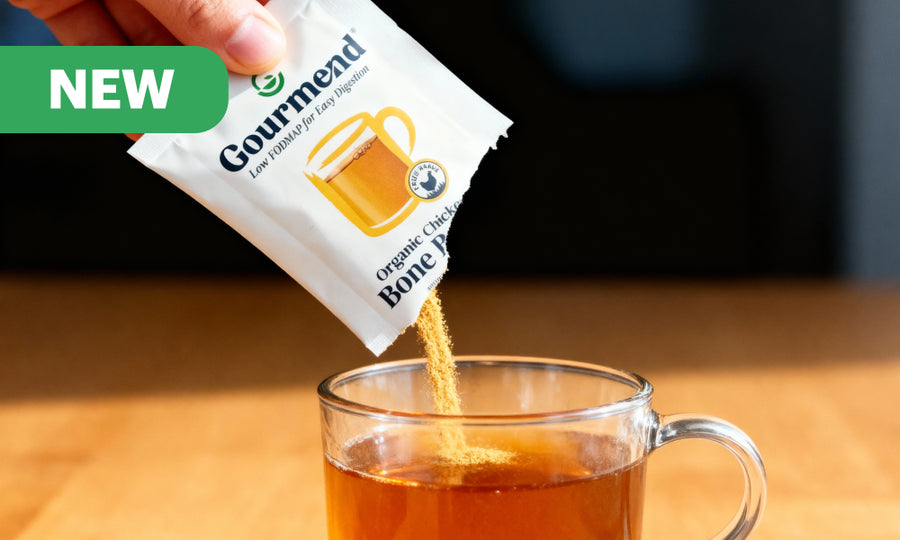
Properly stored bone broth stays fresh in the refrigerator for 3-5 days after opening. Store-bought varieties like our Organic Chicken Bone Broth | Low FODMAP & Unsalted maintain quality for up to 5 days when kept in airtight containers at 40°F or below. Homemade versions typically last 3-4 days due to variable preparation conditions.
Understanding the Variables: Homemade vs. Store-Bought
Commercial bone broths go through pasteurization and sterile packaging, which extends their refrigerated life compared to homemade versions. Home kitchens introduce more variables: cooking temperature consistency, cooling time, and storage container cleanliness all affect longevity. Our broths come from controlled processing environments that minimize bacterial contamination from the start.
Clean Ingredients = Reliable Freshness
Simple ingredient lists support better freshness. Our Organic Chicken Bone Broth contains only seven organic ingredients: water, free-range chicken bones, scallion green tops, carrots, celery, leek green tops, chives, and parsley. We don't add preservatives, so proper storage matters. But our careful sourcing and processing help maintain safety and quality throughout the recommended storage window.
How to Tell If Your Bone Broth Has Gone Bad
Trust your senses: Fresh bone broth smells rich and savory. Spoiled broth develops sour, off, or rancid odors. Look for mold growth, unusual cloudiness, or a slimy texture. When in doubt, toss it. A gelatinous consistency when cold? That's actually good collagen content, not spoilage.
What Actually Happens When Bone Broth Spoils

The Science Behind Spoilage
Bone broth spoilage occurs when bacteria multiply in a nutrient-rich environment. Proteins break down into compounds that create off-flavors and odors. Temperature makes a huge difference. Each 10°F increase can roughly double bacterial growth rates. That's why refrigeration at 40°F or below is so important for slowing down the reactions that lead to deterioration.
Does a Fat Cap Really Protect Your Broth?
Maybe a little, but don't count on it. A layer of solidified fat can provide some protection by creating a barrier against airborne contamination, but it's not foolproof. Bacteria can still thrive around the edges where fat meets the container. This old-school method offered limited benefit before modern refrigeration. Airtight containers work much better than relying on a fat cap alone.
Your Nose Knows: Sensory Warning Signs
Spoilage signals: Fresh bone broth has a clean, meaty aroma. Spoiled broth can smell sour, musty, or putrid. Visual signs include mold growth (any color), unusual bubbling, or excessive cloudiness. Texture changes such as sliminess or unexpected thickness can indicate bacterial activity. When you see any of these warning signs, it's time to start over.
Gelatin = Quality, Not Spoilage
Here's something that confuses people: a gelatinous consistency when cold actually indicates high collagen content extracted during a long simmer. This gel-like texture is a quality marker, not a spoilage sign. It'll turn liquid again when you reheat it. Our bone broths develop this natural gel because we simmer free-range chicken bones for extended periods, pulling collagen from bones and connective tissues.
Why Some People Add Vinegar (And Why It Helps)
Adding acidic ingredients like apple cider vinegar during cooking helps extract minerals from bones while creating a slightly more acidic environment. A pH below 4.6 slows spoilage significantly, but most bone broths stay above that threshold. The acid mainly helps with mineral extraction rather than preservation. You'll still need proper refrigeration for safety.
Storage That Actually Works: Fridge & Freezer Best Practices
Fridge Storage Done Right
Glass or BPA-free plastic containers with tight-fitting lids work best for opened bone broth. Leave about 1 inch of headspace. Label containers with opening dates and use the oldest broth first. Simple but effective. Place containers in the main refrigerator compartment, not the door where temperatures fluctuate. Clean containers thoroughly before transferring broth to reduce contamination risk.
Freezer Storage for the Long Haul
Freezing extends bone broth life up to 6 months when stored at 0°F. Pour cooled broth into freezer-safe containers and leave room for expansion. Water expands when it freezes. Ice cube trays work brilliantly for portion control. Frozen broth stays safe as long as it remains frozen, but quality can decline after about 6 months. Always thaw frozen broth in the refrigerator overnight before reheating.
Freezer storage timeline: Bone broth maintains best quality for 4-6 months in the freezer. It remains safe beyond that if it stays frozen at 0°F, but flavor and texture may slowly decline. Portion into meal-sized amounts before freezing for easier use.
Smart Portioning Strategies
Freeze broth in quantities that match your typical recipes. One-cup portions work well for most cooking applications. Ice cube trays create tablespoon-sized portions that are perfect for deglazing pans or adding depth to dishes. Silicone molds release frozen broth more easily than plastic ones. Avoid thawing and refreezing the same container. It hurts quality and increases contamination risk.
Reheating: The Right Way to Warm It Up
Heat refrigerated bone broth to 165°F before consuming. Stovetop heating gives you better temperature control than microwaving. Stir occasionally for even heating. If the broth's been stored close to the maximum recommended time, bring it to a brief boil before serving. Never reheat the same portion multiple times. Our Organic Chicken Bone Broth | Low FODMAP & Unsalted reheats evenly and keeps its rich flavor when you handle storage and reheating properly.
Frequently Asked Questions
How can you tell when bone broth has gone bad?
Trust your senses to detect spoiled bone broth. Look for sour, off, or rancid odors, and visual signs like mold growth, unusual cloudiness, or a slimy texture. If you notice any of these changes, it's best to discard the broth right away.
What happens if I consume spoiled bone broth?
Consuming spoiled bone broth means ingesting bacteria that have multiplied in the nutrient-rich liquid. While the article doesn't detail specific health outcomes, the presence of off-flavors, odors, and mold indicates bacterial activity. To avoid potential digestive discomfort, it's always safest to discard any broth showing signs of spoilage.
How long does bone broth last in the fridge, typically?
Properly stored bone broth generally stays fresh in the refrigerator for 3-5 days after opening. Our Gourmend Organic Chicken Bone Broth, for example, maintains quality for up to 5 days when kept in airtight containers at 40°F or below. Homemade versions typically last 3-4 days due to varying preparation conditions.
Is there a difference in fridge life between homemade and store-bought bone broth?
Yes, there's a notable difference. Commercial bone broths, like Gourmend's Organic Chicken Bone Broth, undergo pasteurization and sterile packaging, which extends their refrigerated life to about 5 days. Homemade versions, with their variable cooking temperatures, cooling times, and container cleanliness, usually last 3-4 days. Our controlled processing minimizes bacterial contamination from the start.
What are the best practices for storing bone broth in the fridge?
For optimal freshness, store opened bone broth in airtight glass or BPA-free plastic containers, leaving about 1 inch of headspace. Label them with the opening date and place them in the main refrigerator compartment, where temperatures are more consistent. Always keep your fridge at 40°F or below to slow bacterial growth.
Can I freeze bone broth, and how long does it last in the freezer?
Absolutely, freezing is an excellent way to maximize bone broth freshness long-term. When stored at 0°F, bone broth can keep for up to 6 months, though quality might slowly decline after that period. I recommend portioning cooled broth into freezer-safe containers or ice cube trays for easy use, and always thaw it in the refrigerator overnight.
Does a gelatinous texture mean my bone broth is spoiled?
Not at all, quite the opposite! A gelatinous consistency when bone broth is cold is actually a sign of high collagen content, extracted from the bones during a long simmer. This gel-like texture indicates a quality broth and will liquefy beautifully when reheated. Our Gourmend Organic Chicken Bone Broth often develops this natural gel.