


Histamine Foods: What You Need to Know

histamine containing foods
Navigating the field of food can sometimes feel like a puzzle, especially when certain ingredients seem to cause more discomfort than delight. If you’ve found yourself experiencing unexplained digestive upset, headaches, or skin reactions after meals, you might be wondering about compounds within food that could be the culprit. One such compound that frequently comes up is histamine. It plays a natural role in our bodies, but for some, managing dietary intake of histamine containing foods becomes a key part of feeling well.
Key Takeaways
- Histamine is a natural compound in your body and in certain foods, and for some people, eating too many histamine containing foods can trigger symptoms like headaches or digestive upset.
- Managing your intake of histamine containing foods doesn't mean giving up flavor, it means choosing fresh, low-histamine ingredients and avoiding aged or fermented items.
- If you suspect histamine sensitivity, keeping a food diary and working with a healthcare professional can help you identify which specific foods cause your reactions.
- Gourmend Foods offers seasoning blends that are free from common high-histamine additives, so you can enjoy bold taste without worrying about your digestive comfort.
As the founder of Gourmend Foods, I’ve personally experienced how digestive challenges can impact daily life and the joy of eating. That journey led me to create clean-label products that focus on delicious flavor while being gentle on sensitive systems. Understanding what histamine containing foods are and how they affect you is an essential step toward regaining confidence in your kitchen and enjoying your meals without worry. Let’s break down what you need to know about histamine in your diet.
Key Takeaway: The Quick Answer
Histamine is a natural compound involved in immune responses and digestion. Certain foods contain high levels of histamine, others trigger the body to release its own histamine, and some interfere with the enzymes that break it down. For individuals with histamine intolerance, consuming these foods can lead to a range of uncomfortable symptoms.
What Histamine Does in Your Body
Histamine is far from just a dietary concern; it's a critical molecule produced naturally by your body. It acts as a neurotransmitter and plays a significant role in your immune system’s response to pathogens, helping to signal white blood cells to sites of infection or injury. It’s also involved in regulating sleep-wake cycles and stimulating stomach acid production, which is essential for digestion. When your body encounters an allergen or irritant, mast cells release histamine, causing the familiar symptoms like itching, swelling, or increased mucus production. This natural function is important for protection and bodily processes.
When Histamine Becomes a Problem

The issue arises when the body can't effectively break down histamine. This breakdown is primarily handled by an enzyme called diamine oxidase (DAO). If DAO activity is low, or if you consume a high amount of histamine from your diet, the compound can build up in your system, leading to symptoms. This buildup is what’s commonly referred to as histamine intolerance. Note that while many people experience symptoms, histamine intolerance is not yet formally recognized by major allergy organizations like the American Academy of Allergy and Immunology. But, a significant portion of the population, estimated at around 1% globally, may experience symptoms related to histamine overload, with prevalence increasing in middle age, according to WebMD. This condition is distinct from a true allergy, as it's not an IgE-mediated immune response but rather a metabolic issue.
High-Histamine Foods: What to Limit
For those sensitive to dietary histamine, identifying histamine containing foods is fundamental to managing symptoms. These foods can be categorized into those naturally rich in histamine and those that trigger the body’s own histamine release or block the enzyme responsible for breaking it down. Understanding these distinctions helps in making more informed choices for a balanced diet. It's estimated that only about 5% of the histamine in our bodies comes directly from our diet, with the rest being produced internally, but dietary intake can still be a significant trigger for sensitive individuals, as noted by Oshi Health.
Foods Naturally High in Histamine
Many foods, particularly those that undergo aging or fermentation processes, tend to accumulate higher levels of histamine. This is because bacteria involved in these processes can produce histamine. Examples include aged cheeses, cured meats like salami and prosciutto, and fermented products such as sauerkraut and kimchi, with sauerkraut specifically highlighted for its high histamine concentration by WebMD. Additionally, certain fish that are not stored or handled properly can develop high histamine levels, sometimes leading to scombrotoxin poisoning, which mimics histamine intolerance symptoms. Even some alcoholic beverages, like wine and beer, are known to be high in histamine.
Histamine Liberators: Foods That Trigger Release
Beyond foods that directly contain histamine, there's another category: histamine liberators. These are foods that don't necessarily have high histamine content themselves but can prompt your body's mast cells to release stored histamine. Common examples include citrus fruits (oranges, lemons, grapefruit), strawberries, tomatoes, pineapple, papaya, chocolate, and nuts, particularly walnuts and cashews. While these foods are staples for many, individuals experiencing histamine intolerance might find they need to limit them. Understanding this mechanism is key, as it expands the list of potential triggers beyond just obviously fermented or aged items.
Why Fermented and Aged Foods Top the List
The prevalence of histamine in fermented and aged foods is directly linked to the microbial activity involved in their production. During fermentation, bacteria and yeasts break down proteins and other compounds, and as a byproduct, they can synthesize histamine. The longer a food is aged or fermented, the more time these microorganisms have to produce histamine. This is why aged cheddar, Gouda, and Parmesan cheeses are often problematic, as are products like soy sauce, vinegar-based dressings, and even some processed meats. The microbial transformation that gives these foods their characteristic complex flavors also concentrates histamine.
For those managing digestive sensitivity, even ingredients that seem wholesome can be triggers. At Gourmend Foods, we focus on clean-label ingredients and use alternatives like green onion and chive greens to provide aromatic depth without the high histamine often found in garlic or onion bulbs. Our broths are simmered for hours to extract nutrients and flavor, offering a gentle base for your meals.
Quick Reference: High vs. Low Histamine Foods
| High Histamine Foods (Limit/Avoid) | Low Histamine Foods (Generally Well-Tolerated) |
|---|---|
| Aged cheeses (cheddar, gouda, parmesan) | Freshly cooked meats and poultry (chicken, beef, lamb) |
| Fermented foods (sauerkraut, kimchi, yogurt, kombucha) | Fresh fish (caught and frozen quickly, e.g., cod, salmon) |
| Cured meats (salami, ham, bacon) | Most fresh fruits (except those listed as liberators: berries, citrus, pineapple) |
| Vinegar and vinegar-based products | Most fresh vegetables (except tomatoes, spinach, eggplant) |
| Alcohol (wine, beer, champagne) | Grains (rice, oats, quinoa) |
| Dried fruits (raisins, apricots) | Dairy substitutes (almond milk, coconut milk) |
| Tomatoes and tomato products | Fresh herbs |
| Spinach, eggplant | Gourmend's Garlic Scape Powder, Green Onion Powder |
| Avocado | Gourmend's Organic Broths (Chicken, Beef, Vegetable) |
Recognizing Histamine Intolerance: Symptoms and Causes
Histamine intolerance symptoms can be diverse and often overlap with other conditions like Irritable Bowel Syndrome (IBS) or allergies, making diagnosis challenging. The symptoms manifest across various body systems as histamine builds up due to impaired breakdown. This can lead to digestive issues such as bloating, diarrhea, and abdominal pain, alongside skin reactions like hives, itching, or eczema. Neurological symptoms can include headaches, migraines, dizziness, and even anxiety or mood changes. Cardiovascular effects might involve rapid heart rate or fluctuations in blood pressure. The broad range of potential symptoms means that identifying the root cause requires careful observation and, often, an elimination diet guided by a healthcare professional.
Common Symptoms Across Body Systems
The symptoms associated with histamine intolerance are varied because histamine receptors are present throughout the body. Digestive complaints are common, including nausea, vomiting, diarrhea, bloating, and abdominal cramps. Skin reactions can range from general flushing and itching to more specific conditions like urticaria (hives) and eczema flare-ups. Headaches and migraines are frequently reported, alongside fatigue and difficulty sleeping. Some individuals experience respiratory symptoms such as nasal congestion, runny nose, or asthma-like wheezing. Psychological effects, including anxiety, irritability, and even depression, can also occur. The American College of Allergy, Asthma & Immunology notes that the diagnostic criteria are not universally established, contributing to the complexity of identifying this condition.
Why It Happens:
The primary reason for histamine intolerance is an imbalance between histamine intake (from food, gut bacteria, or internal release) and the body's capacity to metabolize it. This capacity is largely determined by the activity of the DAO enzyme. Factors that can reduce DAO activity include genetic predispositions, certain medications, intestinal disorders that damage the gut lining (like Crohn's disease or celiac disease), and even excessive alcohol consumption. Additionally, some individuals may have a higher baseline production of histamine or a greater number of mast cells that can release it. As noted by WebMD, approximately 1% of the population is affected, and it's more common in middle-aged women. A 2023 study mentioned by Cleveland Clinic also suggests that histamine intolerance may be overdiagnosed, and other underlying causes should be investigated.
Foods Naturally High in Histamine

Histamine accumulation in foods is commonly linked to microbial activity during aging or fermentation. These processes allow bacteria to convert amino acids into biogenic amines, including histamine, which can reach significant levels in certain products. Aged cheeses such as cheddar, gouda, and parmesan are classic examples, offering rich flavors but also elevated histamine concentrations. Cured meats like salami, prosciutto, and pepperoni undergo similar biochemical transformations that increase histamine content. Fermented vegetables, particularly sauerkraut and kimchi, are also well-known for their high histamine levels; sauerkraut has been specifically identified as a concentrated source by WebMD.
Seafood can present additional risks when histamine forms due to improper storage or spoilage. Fish like mackerel, tuna, and mahi-mahi may develop histamine quickly if not kept at recommended temperatures, resulting in scombrotoxin poisoning, a condition that mimics histamine intolerance symptoms. Alcoholic beverages, especially wine and beer, have been found to contain histamine as well, which can exacerbate reactions in sensitive individuals. Understanding these natural histamine sources enables better dietary choices for those managing symptoms.
Histamine Liberators: Foods That Trigger Release
Not all dietary triggers contain histamine themselves. Some foods act as histamine liberators, stimulating your body’s mast cells to release stored histamine. This mechanism adds complexity to managing histamine intolerance because it broadens the range of potential triggers beyond high-histamine foods. Common histamine liberators include citrus fruits such as oranges, lemons, and grapefruit, as well as strawberries, tomatoes, and pineapples. Nuts like walnuts and cashews, along with chocolate, are also known to provoke histamine release.
For individuals sensitive to histamine, these liberators may cause symptoms even though they are not technically high in histamine. This distinction is important when designing a low histamine food list or elimination diet. Being mindful of histamine liberators complements avoidance of naturally high histamine foods and supports symptom management by reducing overall histamine burden.
Why Fermented and Aged Foods Top the List
The reason fermented and aged foods dominate the list of histamine containing foods lies in their production methods. Fermentation relies on bacteria and yeasts to break down proteins and carbohydrates, which contributes to flavor and preservation. But, this microbial activity also generates histamine as a metabolic byproduct. The longer the fermentation or aging period, the greater the potential histamine accumulation. For example, aged cheeses develop complex flavors over months, but that extended time also allows histamine to build up substantially.
Similarly, cured meats are subjected to enzymatic processes that improve taste and texture while increasing histamine content. Fermentation in vegetables and beverages like kombucha or vinegar-based dressings also leads to elevated histamine levels. While these foods offer culinary depth and health benefits in some contexts, their histamine concentration makes them less suitable for those with histamine intolerance. Choosing alternatives that provide flavor without these compounds can help maintain both enjoyment and digestive comfort.
Quick Reference: High vs. Low Histamine Foods

| High Histamine Foods (Limit/Avoid) | Low Histamine Foods (Generally Well-Tolerated) |
|---|---|
| Aged cheeses (cheddar, gouda, parmesan) | Freshly cooked meats and poultry (chicken, beef, lamb) |
| Fermented foods (sauerkraut, kimchi, yogurt, kombucha) | Fresh fish (caught and frozen quickly, e.g., cod, salmon) |
| Cured meats (salami, ham, bacon) | Most fresh fruits (except those listed as liberators: berries, citrus, pineapple) |
| Vinegar and vinegar-based products | Most fresh vegetables (except tomatoes, spinach, eggplant) |
| Alcohol (wine, beer, champagne) | Grains (rice, oats, quinoa) |
| Dried fruits (raisins, apricots) | Dairy substitutes (almond milk, coconut milk) |
| Tomatoes and tomato products | Fresh herbs |
| Spinach, eggplant | Gourmend's Garlic Scape Powder, Green Onion Powder |
| Avocado | Gourmend's Organic Broths (Chicken, Beef, Vegetable) |
Balancing Histamine Intake for Digestive Health
Managing dietary histamine is a nuanced process that requires more than simple avoidance. Since histamine is present in many foods and produced internally, the goal is to reduce excessive intake while maintaining a varied, nutrient-rich diet that supports digestive health. For individuals with histamine intolerance, this often means identifying personal thresholds and patterns, as sensitivity varies widely. Some may tolerate small amounts of aged cheese or fermented vegetables without symptoms, while others need stricter limits.
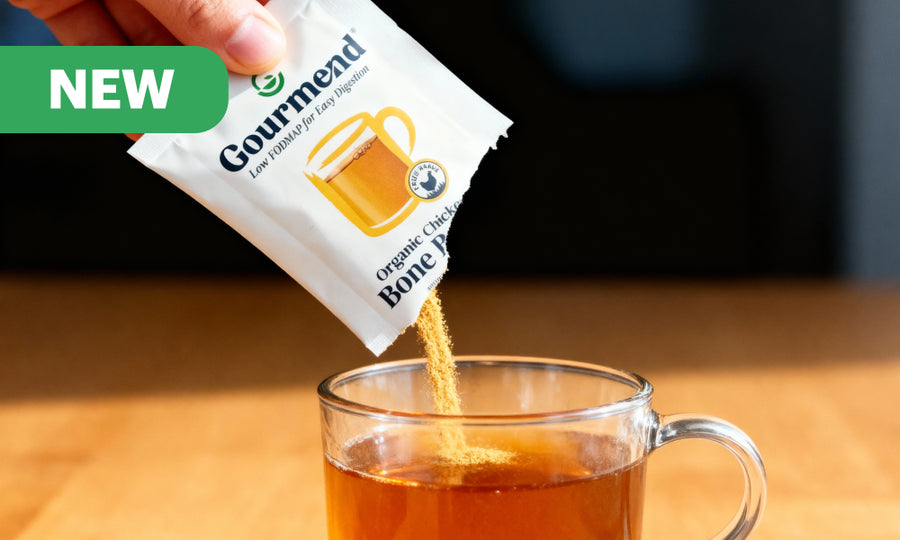
Implementing a low histamine food list thoughtfully can prevent nutritional gaps. Fresh, minimally processed foods such as organic chicken and beef, which are gently simmered into broths, provide both flavor and nourishment without contributing to histamine overload. Our Gourmend chicken bone broth 🐓, for example, is simmered for 16 hours using free-range bones to extract collagen and nutrients, delivering a clean, gut-friendly option that complements low histamine eating.
Strategies to Clear Histamine From Your Body
Clearing histamine involves supporting the body’s natural enzymatic pathways, primarily the activity of diamine oxidase (DAO). While supplements containing DAO are available, their effectiveness varies and should be used under medical supervision. More sustainable approaches focus on lifestyle and dietary habits that reduce histamine burden. Avoiding alcohol, which inhibits DAO activity, and limiting intake of histamine liberators can help reduce symptoms.
Supporting gut health is also essential since intestinal damage or dysbiosis can impair DAO production. Consuming clean, organic broths and low FODMAP, low histamine foods nurtures the gut lining and microbiome balance. Our vegetable broth, enriched with umami from oyster mushrooms and nori seaweed, offers a flavorful, gentle base that aligns with these principles. Incorporating such broths can aid in maintaining digestive comfort while minimizing histamine accumulation.
Practical Recommendations for Managing Dietary Histamine

Practical steps start with awareness and thoughtful meal planning. Keeping a food diary to track symptoms in relation to meals can help identify personal triggers, distinguishing between high histamine foods, liberators, or other intolerances. Prioritize fresh, whole foods and avoid leftovers that may increase histamine levels as food ages, especially with proteins and fish.
When seasoning meals, consider alternatives to traditional onion and garlic, which are common histamine liberators. Gourmend’s Garlic Scape Powder and Green Onion Powder offer onion-like depth without triggering symptoms, providing a culinary edge without compromise. Choosing broths simmered slowly and free from additives ensures a flavorful foundation that supports your digestive health goals while keeping meals exciting.
Future Considerations for Histamine Intolerance Research and Diet
Histamine intolerance remains an area of evolving research. While it affects an estimated 1% of the population according to WebMD, diagnostic criteria and mechanisms are not yet fully understood or standardized in clinical practice. Recent studies suggest that symptoms attributed to histamine overload may overlap with other conditions, emphasizing the need for comprehensive evaluation by healthcare providers before making restrictive dietary changes.
Looking ahead, advancements in personalized nutrition and better biomarkers for histamine metabolism could refine dietary recommendations and improve symptom management. Integrating gut microbiome analysis and enzyme activity assessments may clarify individual responses to histamine containing foods. Until then, focusing on high-quality, clean-label ingredients and mindful eating supports both digestive comfort and overall well-being.
Pros and Cons of Managing Histamine Through Diet
Pros
- Reduces uncomfortable symptoms linked to histamine buildup
- Encourages consumption of fresh, nutrient-dense foods
- Supports gut health with gentle, clean-label options
- Empowers personalized dietary choices based on tolerance
Cons
- Requires careful tracking and experimentation to identify triggers
- May limit enjoyment of some traditional flavorful foods
- Not yet fully supported by standardized medical diagnostics
- Potential nutritional gaps if overly restrictive without guidance
Understanding histamine containing foods and their impact on your body is an empowering step toward digestive ease and culinary enjoyment. By balancing your diet with low histamine food choices and embracing flavorful, gut-friendly ingredients like those from Gourmend Foods, you can create meals that are both satisfying and gentle. Staying informed about ongoing research and listening to your body's responses will help you navigate this aspect of nutrition with confidence and care.
References
Frequently Asked Questions
Which foods contain the most histamine?
Aged cheeses, cured meats like salami and prosciutto, fermented products such as sauerkraut and kimchi, certain fish, and alcoholic beverages like wine and beer contain the most histamine. These histamine containing foods accumulate high levels through bacterial activity during aging and fermentation processes, making them the top contributors to dietary histamine intake.
What are the signs of histamine intolerance?
Histamine intolerance signs include unexplained digestive upset, headaches, skin reactions, itching, swelling, and increased mucus production after eating histamine containing foods. These symptoms develop when the body cannot effectively break down histamine due to low levels of the diamine oxidase (DAO) enzyme, causing a buildup that triggers discomfort throughout the body.
What are high histamine foods to avoid?
High histamine foods to avoid include aged cheeses like cheddar and Parmesan, cured meats, fermented items such as sauerkraut and kimchi, improperly stored fish, wine, beer, soy sauce, and vinegar-based dressings. Histamine liberators like citrus fruits, tomatoes, chocolate, pineapple, and nuts such as walnuts and cashews may also need to be limited.
What reduces histamine quickly?
Reducing dietary intake of histamine containing foods is the most direct way to lower histamine levels quickly. Working with a healthcare provider to identify personal trigger foods through an elimination approach and understanding DAO enzyme function can also help manage histamine overload symptoms effectively over time.
What are histamine liberators?
Histamine liberators are foods that prompt the body's mast cells to release stored histamine, even though the foods themselves do not contain high histamine levels. Common histamine liberators include citrus fruits like oranges and lemons, strawberries, tomatoes, pineapple, papaya, chocolate, and nuts, particularly walnuts and cashews.
Is histamine intolerance the same as a food allergy?
Histamine intolerance is not the same as a food allergy because it is a metabolic issue rather than an IgE-mediated immune response. Histamine intolerance occurs when the body cannot break down histamine effectively due to insufficient DAO enzyme activity, while a true food allergy triggers an immediate immune system reaction to specific proteins.
How common is histamine intolerance?
Histamine intolerance affects approximately 1% of the global population, with prevalence increasing in middle age according to WebMD. Major allergy organizations like the American Academy of Allergy and Immunology have not formally recognized histamine intolerance as a distinct condition, yet many people report experiencing symptoms related to dietary histamine overload from histamine containing foods.