


FODMAP Diet List of Foods: Gut Health Guide 2026

fodmap diet list of foods
Your Complete Low FODMAP Food List Guide
What Exactly Are FODMAPs and Why Do They Matter?
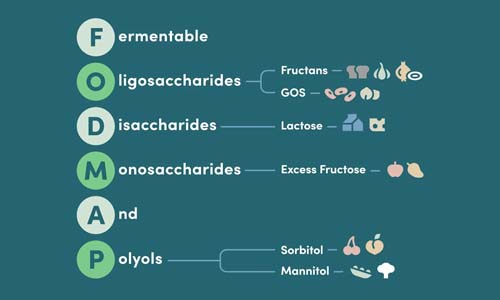
FODMAPs are Fermentable Oligosaccharides, Disaccharides, Monosaccharides, and Polyols. These short-chain carbohydrates resist digestion in the small intestine, traveling to the colon where gut bacteria ferment them rapidly. This process produces gas and draws water into the intestines, causing bloating, cramping, and altered bowel movements in sensitive individuals.
When undigested carbohydrates reach the large intestine, they create an osmotic load that pulls fluid into the bowel. Colonic bacteria feed on these sugars, producing hydrogen, methane, and carbon dioxide gases that distend the intestinal walls. For people with IBS, this fermentation happens too quickly and intensely.
The Gourmend Approach: Bold Flavor Without the Bloat
At Gourmend Foods, we've cracked the code on making low FODMAP meals actually taste good. Most people think going low FODMAP means bland, boring food. We disagree.
Traditional recipes remove onions and garlic entirely, leaving meals flat. Our Low FODMAP Taco Seasoning uses garlic scape and green onion powders instead. Delivering that savory punch your taste buds expect while keeping your gut happy.
The Three Phases: Your Roadmap to Food Freedom
The low FODMAP diet isn't meant to be forever. Here's how it actually works:
Phase 1: Elimination (2-6 weeks) - You'll temporarily avoid high fodmap foods to let your gut settle. This isn't fun, but it's short-term. Think of it as hitting the reset button.
Phase 2: Reintroduction (6-10 weeks) - You'll test FODMAP groups one by one, seeing what your body can handle. Each test takes three days, followed by a break period. This phase teaches you your personal limits.
Phase 3: Personalization (lifelong) - You'll eat based on what you learned about your triggers. Most people can enjoy a much wider variety than they expected.
Your Go-To Low FODMAP Food Guide: What to Enjoy

Fruits: Sweet Options That Won't Cause Chaos
Berries are your best friends. Blueberries, strawberries, and raspberries pack antioxidants without the digestive drama. Citrus fruits like oranges, lemons, and limes add brightness to meals. Tropical options include pineapple, kiwi, and papaya.
Bananas work best when they're still slightly green (yellow bananas have more fructose). Grapes are generally well-tolerated in moderate portions. About 15 grapes or roughly 100g.
Vegetables: The Colorful Foundation
Root vegetables are stars here: carrots, parsnips, potatoes, and sweet potatoes form the base of countless meals. Leafy greens like spinach, kale, and lettuce add nutrients without trouble.
Bell peppers, zucchini, eggplant, and tomatoes bring color and flavor. Here's where smart substitutions matter. Use the green tops of scallions instead of onion bulbs, or try chives for that onion-like taste without the bloating.
Grains & Starches: Your Reliable Energy Sources
Rice is bulletproof. White, brown, or wild varieties all work. Quinoa and oats give you variety, while corn products (tortillas, polenta) add texture to meals.
Gluten-free breads and pastas made from rice or corn can satisfy those familiar cravings. Just remember that even "safe" foods can cause trouble in large portions.
Proteins: Simple and Safe
Most animal proteins are naturally free of FODMAPs. Chicken, turkey, beef, pork, fish, and seafood are all fair game. Eggs work at any meal and in countless preparations.
Plant proteins need more attention. Firm tofu and tempeh are solid choices. Nuts like almonds, walnuts, and pecans work in small servings (about 10-20 nuts). Seeds such as chia and pumpkin seeds add crunch and nutrition.
Dairy & Alternatives: What Works and What Doesn't
Lactose-free milk gives you creamy texture without the gas. Hard cheeses like cheddar, Swiss, and parmesan are naturally low in lactose. Butter is fine for most people.
Plant-based options include almond milk and coconut milk (check labels for additives). Oat milk works in small servings. Greek yogurt sits well with many people, while coconut yogurt offers a dairy-free alternative.
Flavor Boosters: Sweeteners & Seasonings
Maple syrup, brown sugar, and stevia sweeten foods without fructose overload. Vinegars, mustard, and soy sauce add punch to dishes.
This is where Gourmend's seasonings shine. Our Organic Garlic Chive Powder and Organic Green Onion Powder give you that aromatic depth without the digestive fallout.
Beyond the Lists: Making This Diet Actually Work
Memorizing food lists won't get you far. You need practical strategies that work in real kitchens with real schedules.
Smart Swaps That Actually Taste Good
Replace onions with the green parts of scallions or fresh chives. Garlic gets swapped for garlic-infused oil or garlic scape powder. Instead of wheat cereals, try gluten-free oats with berries and a drizzle of maple syrup.
These aren't just "diet" substitutions. They're legitimate cooking techniques that add new flavors to your repertoire.
Label Reading: The Hidden Traps
Watch for these sneaky ingredients: Inulin and chicory root (added fiber that's high FODMAP), "natural flavors" (often contain onion or garlic), high fructose corn syrup, and sugar alcohols ending in "-ol" like sorbitol. Always check serving sizes. Many foods are okay in small amounts but problematic in larger portions.
FODMAP Stacking: How Good Foods Go Bad
Here's what catches most people off guard: multiple moderate-FODMAP servings can add up throughout the day. You might have oats for breakfast, almonds as a snack, and avocado with dinner. Each portion seems reasonable, but together they overwhelm your system.
Space out these foods and track your daily intake. It's not just about individual meals.
Meal Prep Without the Overwhelm
Batch-cook proteins and grains on weekends. Keep simple snacks ready. Rice cakes with peanut butter, hard-boiled eggs, or a small container of berries.
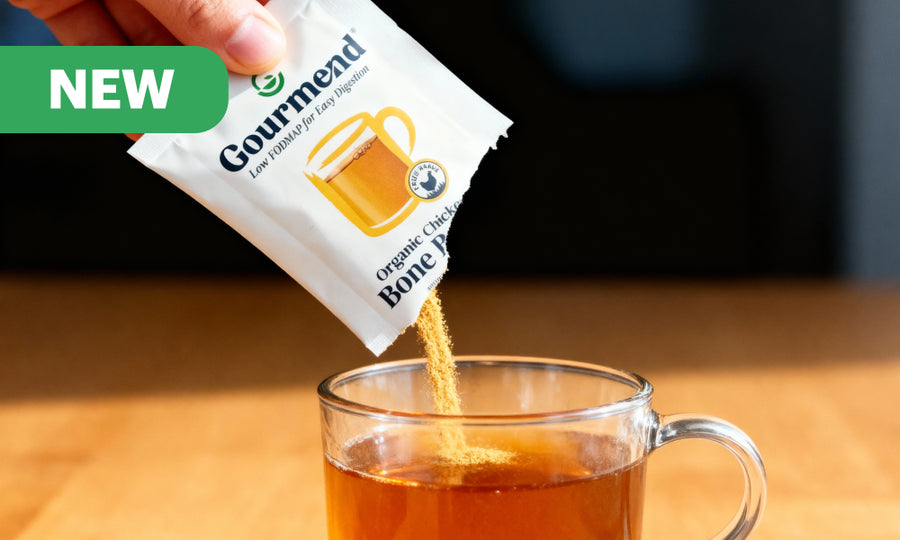
Start with low FODMAP vegetables and proteins, then build flavor with approved seasonings. For cooking bases, we use our Organic Chicken Bone Broth to add richness without any trigger ingredients.
Frequently Asked Questions
What are some top low FODMAP foods?
Many delicious foods are naturally low in FODMAPs and can form the foundation of your meals. Good choices include unripe bananas, carrots, rice, chicken, and lactose-free dairy. You can also enjoy blueberries, spinach, potatoes, firm tofu, and hard cheeses like cheddar and Swiss, which are generally well-tolerated.
What are some of the worst foods for FODMAP sensitivity?
Foods high in fermentable carbohydrates are often the biggest triggers for digestive symptoms. Common high FODMAP culprits include onions, garlic, wheat-based products, and certain fruits like apples and pears. During the elimination phase, it's best to avoid these to help your gut settle and identify your personal triggers.
What kind of ice cream is best for people with IBS?
For those managing IBS, lactose-free ice cream is typically the best choice. The low FODMAP diet suggests opting for lactose-free dairy alternatives, as lactose can be a common trigger. You might also explore sorbets or homemade frozen treats using low FODMAP plant-based milks like almond or coconut milk in small servings.
What is the best bread for IBS sufferers on a low FODMAP diet?
When following a low FODMAP diet, gluten-free breads made from rice or corn are generally well-tolerated. It's important to always check product labels carefully to ensure there are no hidden high FODMAP ingredients like inulin or chicory root. Remember that portion control still matters, even with low FODMAP options.
What snacks can I eat on a low FODMAP diet?
There are many satisfying low FODMAP snack options to keep you comfortable. Consider enjoying unripe bananas, oranges, a small handful of almonds or walnuts, or a serving of blueberries or strawberries. Hard-boiled eggs or firm tofu can also provide a good protein boost without digestive discomfort.
How can I add flavor to meals without high FODMAP ingredients?
Flavorful cooking on a low FODMAP diet comes down to smart ingredient swaps. Instead of onion and garlic bulbs, try using the green tops of scallions or chives, or opt for garlic-infused oil. Our Gourmend Low FODMAP Taco Seasoning, made with garlic scape and green onion powders, is another way to enjoy savory depth without common triggers.