



FODMAP Diet Foods: Your 2026 Guide

Fodmap diet foods
Understanding FODMAPs: Your Gut's New Language
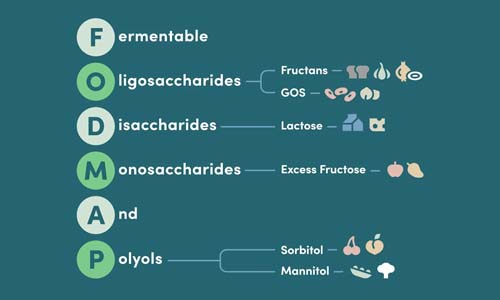
FODMAP stands for Fermentable Oligosaccharides, Disaccharides, Monosaccharides, and Polyols. These short-chain carbohydrates can trigger digestive symptoms in sensitive individuals. The low FODMAP diet involves temporarily eliminating these compounds, then systematically reintroducing them to identify personal triggers.
What Does "FODMAP" Actually Mean?
FODMAPs are specific carbohydrates that resist digestion in the small intestine. When they reach your colon, gut bacteria ferment them rapidly, producing gas and drawing water into the digestive tract. This process causes the bloating, cramping, and irregular bowel movements that characterize IBS symptoms.
The four categories break down like this: fructans (wheat and onions), lactose (dairy sugar), fructose (fruit sugar in excess of glucose), and sugar alcohols like sorbitol. Recognizing these categories in everyday ingredients helps you navigate fodmap diet foods with confidence.
Why Do FODMAPs Cause Digestive Distress?
Your small intestine lacks the enzymes needed to break down these complex sugars completely. Undigested FODMAPs become fuel for colonic bacteria. The resulting fermentation creates short-chain fatty acids, hydrogen, methane, and carbon dioxide.
The Osmotic Effect: FODMAPs also draw water into your intestinal tract through osmosis, leading to loose stools and urgent bathroom visits that disrupt daily life.
The Low FODMAP Diet: Who Benefits and What to Expect
This evidence-based approach helps people with IBS and other functional gut disorders identify specific triggers. Research shows about 70% of people with IBS experience meaningful symptom improvement during the elimination phase.
The diet works in three phases: elimination (2-6 weeks), systematic reintroduction (6-8 weeks), and personalization (ongoing). This structured approach reduces unnecessary long-term restrictions while building a personal tolerance map.
The Gourmend Difference: Navigating FODMAPs with Flavorful Foundations
We created our Low FODMAP Taco Seasoning using garlic scape and green onion powders instead of problematic bulbs. This approach delivers savory depth without common triggers.
Our bone broths and seasonings use carefully selected ingredients like leek greens and chives to provide onion-like complexity. Every product carries Monash University certification, so you can cook with confidence and less label stress.
Your Low FODMAP Food Compass: Navigating the Pillars of Safe Eating

Fruits and Vegetables: Sweet and Savory Without the Struggle
Low FODMAP-friendly fruits include strawberries, blueberries, oranges, and firm (unripe) bananas. Vegetables like carrots, bell peppers, spinach, and zucchini form the foundation of many fodmap diet foods during elimination.
Portion sizes matter. Even well-tolerated options can become troublesome in large quantities. Grapes work well in small servings, but a large handful can cross your personal threshold.
Grains, Cereals, and Starches: The Foundation of Your Plate
Rice, quinoa, oats, and potatoes provide energy without fermentable carbohydrates. Some sourdough breads may be better tolerated because fermentation reduces fructans. Gluten-free options like rice crackers and corn tortillas are often reliable alternatives.
Wheat-based products require careful consideration. Small amounts may work for some people, while pasta and standard bread often exceed comfortable limits during elimination.
Proteins and Dairy Alternatives: Building Meals with Gentle Ingredients
Plain meats, poultry, and fish are naturally free of FODMAPs. Eggs provide complete protein without fermentable carbohydrates. Hard cheeses like cheddar and Swiss tend to be lower in lactose due to aging.
Dairy Strategy: Lactose-free milk and yogurt alternatives made from rice or coconut offer workable options. If you use almond milk, keep portions modest during elimination, since larger servings can be harder to tolerate.
Sweeteners and Condiments: The Finer Points of Flavor
Maple syrup, table sugar, and stevia are often tolerated. Many people limit honey, agave, and sugar alcohols ending in "-ol" (like sorbitol and xylitol), which ferment quickly and draw water into the intestines.
Seasoning blends frequently contain garlic and onion powder. That's why our Low FODMAP Taco Seasoning helps when you want bold flavor without common high-FODMAP ingredients. Condiments like mustard and vinegar are often workable, though labels matter with processed sauces.
Beyond the Basics: Uncovering Hidden FODMAPs and Smart Swaps
The Sneaky Culprits: Where FODMAPs Often Hide
Processed foods contain unexpected sources of fermentable carbohydrates. Garlic and onion powder show up in seasoning blends, soup mixes, and marinades. High-fructose corn syrup appears in condiments, while inulin (often listed as chicory root fiber) is common in bars and some yogurts.
Restaurant meals present challenges. Most kitchens build flavor with onion and garlic, so dining out works best with direct questions and simple substitutions. Stock cubes and flavor boosters often contain multiple high-FODMAP ingredients.
Gourmend's Clever Substitutions: Flavor Without the Fermentables
Our approach replaces common triggers with carefully selected alternatives. Garlic scapes and green onion tops provide aromatic compounds without the same fermentable sugars found in bulbs. These plant parts concentrate flavor oils while avoiding common digestive triggers.
Umami Strategy: We use ingredients like nori seaweed and oyster mushrooms in some of our broths to create savory depth. These foods provide naturally occurring glutamates that support umami flavor.
Decoding Labels: What to Look For and What to Avoid
Scan ingredient lists for common FODMAP sources. Chicory root, Jerusalem artichoke, and agave are frequent additions high in fructans. Sugar alcohols ending in "-ol" signal polyols. Sorbitol, mannitol, and xylitol can trigger symptoms even in small amounts for some people.
Vague terms complicate label reading. Choose products that specify ingredients clearly, especially while narrowing your personal trigger list.
Why Ingredient Transparency Matters for Your Gut
Clear ingredient lists reduce guesswork around fodmap diet foods. That transparency matters when you're managing digestive sensitivity and trying to keep your elimination phase consistent.
Our Low FODMAP Taco Seasoning reflects this clean-label standard, featuring hand-picked cumin from the Hindu Kush mountains and chile powder from small growers in New Mexico. Every spice source is traceable, supporting consistent flavor without surprise ingredients.
Your Low FODMAP Journey: The Three Phases and How to Thrive
Phase 1: Elimination - Setting the Stage for Clarity
The elimination phase typically lasts 2-6 weeks and removes high-FODMAP categories simultaneously. The goal is creating a baseline where symptoms improve. Consistency matters, so planning meals and snacks ahead of time helps.
Focus on whole foods with minimal processing. Build meals around tolerated proteins, vegetables, and grains while avoiding common high-FODMAP staples like wheat-based items, high-lactose dairy, and certain high-fructose fruits.
Phase 2: Reintroduction - Your Personal Discovery Process
Systematic reintroduction tests one FODMAP category at a time over 6-8 weeks. Start with small amounts, increase gradually, and track symptoms. This step identifies personal triggers and tolerance levels.
Most people test categories like fructans, lactose, polyols, and excess fructose separately. Leave a few symptom-free days between challenges, returning to elimination-safe meals between tests. Record portions and responses to guide long-term decisions.
Phase 3: Personalization - A Sustainable, Flavor-First Pattern
The final phase builds an individualized eating pattern based on reintroduction results. Many people tolerate some FODMAPs in specific amounts. With that information, meals feel more flexible while symptoms stay more predictable.
Reassess periodically. Stress, illness, and hormonal changes can shift tolerance temporarily, so your plan may need small adjustments.
Gourmend's Role: Supporting You Through Every Stage
Our certified products provide reliable foundations throughout your journey. During elimination, our bone broths offer comforting nutrition without ingredient uncertainty. During reintroduction, consistent seasoning helps keep variables stable, so your test results are easier to interpret.
Long-term success depends on food that still tastes good. Our clean-label approach helps you keep cooking enjoyable while managing digestive symptoms.
Frequently Asked Questions
What foods can you eat on a low FODMAP diet?
During the elimination phase, you can build meals around low FODMAP-friendly fruits like strawberries, blueberries, and firm bananas, and vegetables such as carrots, bell peppers, and spinach. Grains like rice, quinoa, and oats are good foundations, along with plain meats, poultry, fish, and eggs. Hard cheeses and lactose-free dairy alternatives are also often well-tolerated options.
Which vegetables should I avoid on a low FODMAP diet?
Common high FODMAP vegetables to limit or avoid include onion and garlic bulbs, which contain fructans that can trigger digestive symptoms. It is also important to remember that portion sizes matter, as even well-tolerated vegetables can become problematic in larger quantities.
What are some of the most common high FODMAP foods to be aware of?
Some of the most impactful high FODMAP foods include those rich in fructans, like wheat and onion, and lactose found in many dairy products. Excess fructose in certain fruits, and sugar alcohols such as sorbitol, can also cause distress. Processed foods often hide these ingredients, like garlic powder or inulin.
Is there a specific type of ice cream that is better for IBS on a low FODMAP diet?
While the article doesn't specifically mention ice cream, the principles of the low FODMAP diet suggest choosing lactose-free options. Dairy alternatives made from rice or coconut are generally better tolerated than traditional dairy products for those with IBS.
How can I add flavor to my meals without high FODMAP ingredients like garlic and onion?
Many seasoning blends contain garlic and onion bulbs, which are common triggers for digestive discomfort. We created our Low FODMAP Taco Seasoning using garlic scape and green onion powders to provide savory depth without these problematic bulbs. Our bone broths also use carefully selected ingredients such as leek greens and chives to offer onion-like complexity.