


Eating Bone Marrow: Good for You? 2026 Guide

Eating bone marrow good for you
The Short Answer: Yes, with caveats.
Is eating bone marrow good for you? Yes, when you enjoy it in moderation. This nutrient-packed tissue delivers concentrated vitamins, healthy fats, and collagen-building compounds. Think of it as nature's multivitamin. But like any rich food, a little goes a long way.
Key Nutrients Packed Inside
Bone marrow nutrition facts 100g reveal impressive density: roughly 786 calories, mostly from monounsaturated fats. You'll get vitamin B12, iron, phosphorus, and abundant collagen precursors. The fat content fuels sustained energy while supporting cellular function.
Top Health Benefits at a Glance
Primary Benefits: Joint support through natural collagen, anti-inflammatory compounds, bone-building minerals, and easily absorbed nutrients that support energy production and tissue repair.
What to Consider Before You Dig In
Bone marrow calories run high. Portion control prevents overconsumption. Quality sourcing matters for safety and nutrition. Those watching cholesterol should chat with healthcare providers, though research shows bone marrow's impact on cholesterol remains complex.
What's Actually in Bone Marrow? A Nutritional Breakdown
The Macronutrient Story
Raw bone marrow contains approximately 84% fat, 7% protein, and minimal carbohydrates. These aren't empty calories. They're concentrated energy from oleic acid and other beneficial fatty acids. Small servings pack serious nutrition.
Vitamin Powerhouses
Vitamin B12 dominates the vitamin profile, supporting nerve function and red blood cell formation. Vitamin A shows up in solid amounts, alongside vitamin K2, which helps your body use calcium properly and supports heart health.
The Mineral Mix
Iron, phosphorus, and zinc concentrate within marrow tissue. These support oxygen transport, bone strength, and immune function. The body often absorbs these better than plant-based sources, making marrow particularly valuable for those with absorption issues.
Collagen Goldmine
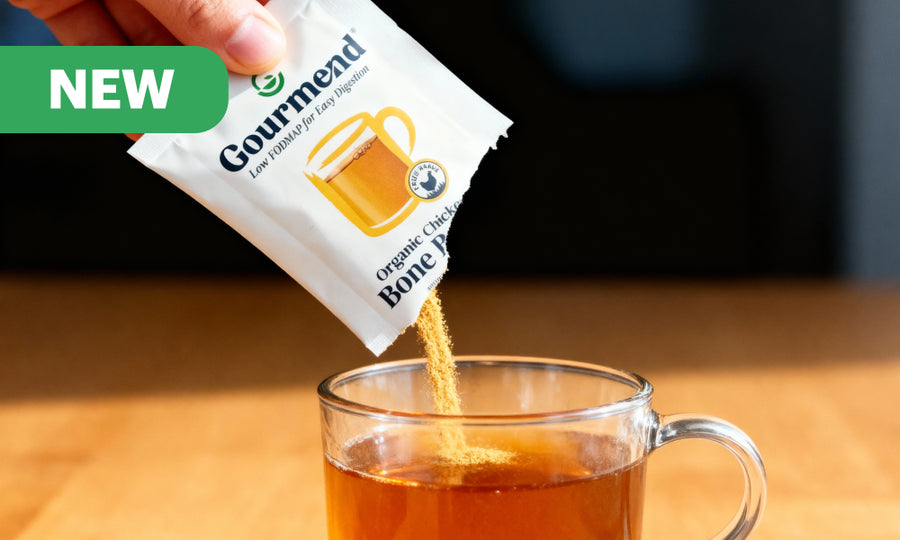
Cooking transforms collagen into gelatin, providing amino acids that support skin elasticity, joint health, and gut lining integrity. When preparing organic chicken bone broth, these compounds concentrate beautifully.
Glycine: The Sleep and Recovery Hero
Glycine makes up nearly one-third of collagen's amino acid profile. It supports sleep quality, liver detox, and keeps inflammation in check. Proline and hydroxyproline work together to maintain strong connective tissue throughout your body.
| Nutrient Category | Primary Components | Health Function |
|---|---|---|
| Essential Fats | Oleic acid, palmitic acid | Energy production, hormone synthesis |
| B Vitamins | B12, riboflavin, niacin | Nervous system, cellular metabolism |
| Trace Minerals | Iron, zinc, selenium | Immune support, antioxidant activity |
| Structural Proteins | Collagen types I, II, III | Joint health, skin integrity |
How Bone Marrow Supports Your Health

Joint Health and Mobility
Chicken bone marrow benefits include providing glucosamine and chondroitin precursors naturally. These compounds support cartilage maintenance and joint fluid production, which may reduce stiffness and keep you moving as you age.
Fighting Inflammation Naturally
Glycine acts as a calming neurotransmitter while moderating inflammatory pathways. Combined with omega-3 fatty acids from grass-fed sources, marrow consumption may help balance inflammatory responses. Pretty cool for such a simple food.
Sustained Energy Without the Crash
The concentrated fat content provides steady energy release, avoiding blood sugar spikes common with carb-heavy meals. This makes eating bone marrow good for you when you want lasting fullness and stable energy levels.
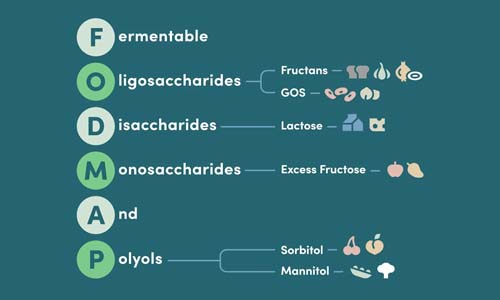
Digestive Considerations: While marrow itself contains no FODMAPs, pairing it with gentle ingredients supports digestion. Our organic vegetable broth uses scallion green tops and leek green tops instead of onion bulbs for digestive comfort.
The Cholesterol Question
Is bone marrow good or bad cholesterol? Research shows dietary cholesterol's impact varies between individuals. The monounsaturated fats in marrow may support healthy cholesterol ratios when consumed as part of a balanced eating pattern. Your genes matter more than most realize.
Pros
- Dense nutrition profile with easily absorbed vitamins and minerals
- Natural source of collagen-building amino acids
- Sustained energy from monounsaturated fats
- Supports joint health and mobility
- Anti-inflammatory compounds like glycine
Cons
- High calorie density requires portion awareness
- Quality sourcing essential for safety
- May affect cholesterol-sensitive individuals
- Rich fat content can overwhelm some digestive systems
- Limited availability in conventional grocery stores
Bone Marrow for Dogs: Benefits and Safety
Why Dogs Go Crazy for Bone Marrow
Is bone marrow good for dogs? Canines instinctively seek nutrient-dense foods, and marrow's rich aroma triggers natural foraging behaviors. The concentrated fats and proteins mirror what wild dogs consume from prey bones. It's like doggy caviar.
What It Does for Your Dog's Health
Dogs process the B vitamins, iron, and zinc efficiently, supporting coat health, energy levels, and immune function. The natural glucosamine content may benefit aging dogs experiencing joint stiffness or mobility challenges.
Safety First: Prep Guidelines
Raw marrow bones should be appropriately sized to reduce choking risk. Supervise chewing and remove bones once they become small enough to swallow whole. Cooked bones splinter dangerously and should never be offered. Period.
Veterinary Guidance: Introduce marrow gradually to assess your dog's digestive tolerance. Start with small amounts and watch for gastrointestinal upset, particularly in dogs with sensitive stomachs.
How to Enjoy Bone Marrow: Preparation and Pairings
Roasting: The Time-Tested Method
Split marrow bones lengthwise and roast at 450°F for 12 to 15 minutes until bubbling. Season with coarse salt and fresh herbs. The marrow should be soft and spreadable when properly cooked. Think warm, savory butter.
Adding Marrow to Soups and Stews
Beef bone marrow side effects can include a richness that overwhelms some palates or stomachs. Balance the intensity by incorporating marrow into broths gradually. Our organic beef bone broth provides a gentle base that complements marrow's bold flavor without competing.
Quality Sourcing Makes a Difference
Seek grass-fed, pasture-raised sources when possible. Goat bone marrow benefits and mutton bone marrow benefits may differ from conventional beef due to fatty acid profiles and overall animal diet. Organic certification reduces exposure to antibiotics and hormones used in conventional systems.
Less Is More
Given bone marrow calories can exceed 700 per 100-gram serving, treat it as a delicacy rather than a staple. This approach makes eating bone marrow good for you over the long term by supporting balanced overall intake. Quality over quantity wins.
Frequently Asked Questions
How often should I eat bone marrow?
Eating bone marrow can be a thoughtful addition to your diet, but moderation is key due to its high caloric density. Small servings deliver concentrated nutrients, so enjoying it a few times a week, rather than daily, can help you reap the benefits without overdoing it. Listen to your body and adjust as needed.
Is bone marrow good or bad for cholesterol levels?
The impact of bone marrow on cholesterol levels is a complex topic, and research suggests it varies among individuals. While it contains dietary cholesterol, the monounsaturated fats present may support healthy cholesterol ratios as part of a balanced diet. If you are monitoring your cholesterol, it's always a good idea to discuss your intake with a healthcare provider.
What nutritional value does bone marrow offer?
Bone marrow is a powerhouse of concentrated nutrition, packed with essential vitamins like B12 and A, and minerals such as iron, phosphorus, and zinc. It also provides healthy monounsaturated fats for sustained energy and collagen precursors that are beneficial for overall tissue repair. It's a truly dense source of goodness.
Can eating bone marrow help support joint health?
Yes, bone marrow is a natural source of compounds that can support joint health and mobility. It contains collagen, which transforms into gelatin when cooked, providing amino acids that support connective tissue strength. Additionally, it offers natural precursors to glucosamine and chondroitin, which are known to aid in cartilage maintenance.
What are the potential downsides or considerations when eating bone marrow?
While beneficial, there are a few considerations when enjoying bone marrow. Its high calorie density means portion control is important to prevent overconsumption. Also, sourcing high-quality marrow is essential for safety and nutrition. For some, the rich fat content might be a bit much for their digestive system, so starting with smaller amounts is wise.
Is bone marrow safe and beneficial for dogs?
Many canines instinctively love bone marrow, and it can offer nutritional advantages for them, including B vitamins, iron, and zinc for coat health and energy. For safety, always offer raw marrow bones that are appropriately sized to prevent choking, and supervise your dog while they chew. Never give cooked bones, as they can splinter dangerously.