


Chickpea vs Wheat Pasta: Gut-Friendly Breakdown

Key Takeaways
- Chickpea pasta contains significantly more protein than wheat pasta, offering 14-20 grams per serving.
- Wheat pasta provides 7-8 grams of protein per serving, which is lower than chickpea pasta.
- Chickpea pasta has a naturally low FODMAP profile, making it easier to digest for sensitive stomachs.
- Digestive tolerance and flavor preferences are key factors in choosing between chickpea and wheat pasta.
Table of Contents
- Nutritional Showdown: Chickpea vs Wheat
- Digestive Impact: FODMAP Considerations
- Flavor and Texture Reality Check
- Cooking Characteristics and Tips
- When to Choose Each Option
- Cost-Effectiveness: Investment vs Value
- Recipe Applications and Versatility
- Health Impact for Specific Dietary Needs
- Making Your Choice: Practical Recommendations
- Mastering Texture and Cooking Techniques
- Strategic Integration for Optimal Health
Chickpea Pasta vs Wheat Pasta: Gut-Friendly Breakdown
The chickpea pasta vs regular pasta debate comes down to digestive tolerance, protein content, and flavor preferences. Chickpea pasta delivers 14-20 grams of protein per serving compared to wheat pasta's 7-8 grams, while offering a naturally low FODMAP profile that supports easier digestion for sensitive stomachs. Explore our Plant Based Bundle for a gut-friendly, protein-rich pasta experience.
As someone who's navigated gut sensitivities while refusing to sacrifice gourmet flavor, we've tested countless pasta alternatives. The key isn't choosing the "healthiest" option, it's finding what works for your digestive system without compromising taste. For those seeking additional digestive support, consider adding Organic Vegetable Broth (Low FODMAP & Unsalted) to your pasta dishes for enhanced flavor and comfort.
Organic Garlic Chive Powder is another excellent addition for those looking to boost flavor in low FODMAP pasta recipes without triggering sensitivities.
Nutritional Showdown: Chickpea vs Wheat
Protein powerhouse advantage goes to chickpea pasta. A single serving provides nearly double the protein of traditional wheat varieties, making it a complete meal foundation rather than just a carbohydrate base. This protein boost helps stabilize blood sugar and increases satiety.
Fiber content tells an interesting story. Chickpea pasta contains 8-12 grams per serving versus wheat pasta's 3-6 grams, but here's the crucial difference: chickpea fiber is predominantly soluble, which tends to be gentler on sensitive digestive systems. Regular pasta's insoluble fiber can trigger discomfort in those with IBS or similar conditions.
Key Insight: Chickpea pasta provides 25% of your daily iron needs per serving, compared to wheat pasta's 10-15%. This makes it particularly valuable for plant-based eaters.
Digestive Impact: FODMAP Considerations

Chickpea pasta wins for gut sensitivity. Unlike wheat-based options, chickpea varieties are naturally low FODMAP when consumed in standard portions (1 cup cooked). This means less bloating, gas, and digestive discomfort for those following elimination protocols. For more on this topic, see our guide to are chickpeas low FODMAP.
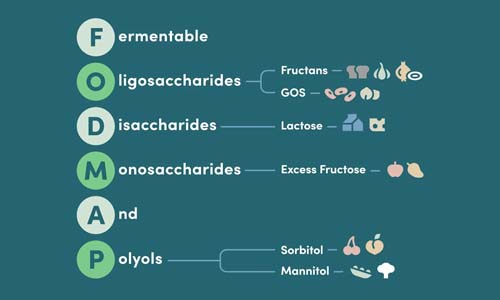
Regular wheat pasta contains fructans, a type of FODMAP that can ferment in the gut and cause symptoms in sensitive individuals. Even whole wheat versions, despite their nutritional benefits, can be problematic for those managing IBS or similar digestive challenges.
The texture difference affects digestion too. Chickpea pasta's slightly denser structure requires more thorough chewing, which kickstarts proper digestion and can reduce post-meal discomfort.
Flavor and Texture Reality Check
Chickpea pasta versus regular pasta in taste tests reveals nuanced differences rather than dramatic contrasts. Quality chickpea varieties offer a subtle nutty flavor that enhances rather than masks sauce profiles. The texture is slightly more al dente, even when fully cooked.
Regular pasta provides the familiar neutral backdrop most people expect, with a softer, more pliable texture. It absorbs flavors readily and delivers that classic comfort-food experience.
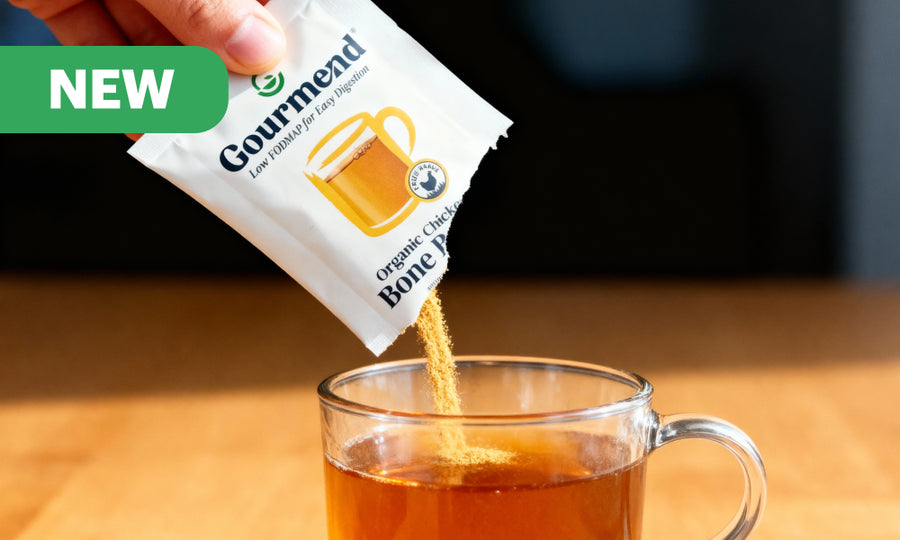
Pro tip: Chickpea pasta pairs exceptionally well with robust broths and herb-forward sauces. We've found that simmering it briefly in Gourmend bone broth creates an incredibly rich, restaurant-quality base that highlights the pasta's natural earthiness.
Cooking Characteristics and Tips
Cooking windows differ significantly between the two. Chickpea pasta has a narrower sweet spot, typically 1-2 minutes less than package directions for optimal texture. Overcooking leads to mushiness that's harder to recover from than with wheat pasta.
Regular pasta offers more forgiveness during cooking and reheats better as leftovers. Chickpea pasta tends to absorb more liquid over time, making it less ideal for meal prep unless you're planning to add extra sauce or broth when reheating.
| Feature | Chickpea Pasta | Regular Wheat Pasta |
|---|---|---|
| Protein per serving | 14-20g | 7-8g |
| FODMAP status | Low FODMAP | High FODMAP |
| Cooking tolerance | Narrow window | More forgiving |
| Leftover quality | Absorbs liquid | Reheats well |
| Price point | $3-5 per box | $1-3 per box |
When to Choose Each Option

Choose chickpea pasta when: You're managing digestive sensitivities, need higher protein content, or want to experiment with more complex flavors. It excels in hearty, broth-based dishes and pairs beautifully with Mediterranean and Middle Eastern flavor profiles.
Stick with regular pasta when: You're feeding a crowd on a budget, making dishes that require precise texture (like cacio e pepe), or preparing meals for storage. Traditional wheat pasta remains unmatched for classic Italian preparations.
The chickpea pasta vs regular pasta choice ultimately depends on your digestive needs and flavor goals. For those prioritizing gut health without sacrificing taste, chickpea varieties offer a compelling alternative that's worth the slight learning curve and premium price point.
Cost-Effectiveness: Investment vs Value
Chickpea pasta costs 2-3 times more than regular wheat pasta, typically ranging from $3-5 per box versus $1-3 for conventional options. However, the protein density changes the value equation significantly, you're essentially getting your pasta and protein source in one purchase.
Regular wheat pasta requires additional protein sources to create a complete meal, which can offset its lower base cost. When factoring in the digestive benefits for sensitive individuals, chickpea pasta's premium often justifies itself through reduced discomfort and increased meal satisfaction.
For budget-conscious households, alternating between both types based on the meal's purpose offers a practical compromise. Reserve chickpea pasta for protein-focused dinners and use regular pasta for simple, sauce-heavy preparations. For more inspiration, check out our low FODMAP pasta guide.
Recipe Applications and Versatility
Chickpea pasta excels in Mediterranean and Asian-inspired dishes where its nutty undertones complement bold flavors. It performs exceptionally well in broth-based preparations, we've found that finishing it in Organic Chicken Bone Broth | Low FODMAP & Unsalted creates an incredibly rich, restaurant-quality foundation that enhances the pasta's natural earthiness.
Regular wheat pasta remains the gold standard for classic Italian preparations requiring delicate sauce absorption. Dishes like aglio e olio, carbonara, and simple tomato sauces showcase wheat pasta's neutral profile and superior texture retention.
Cooking Hack: Chickpea pasta benefits from a brief simmer in seasoned broth after draining. This technique prevents the slightly chalky aftertaste some varieties can develop while adding depth.
Cold pasta salads favor regular wheat varieties, as chickpea pasta can become dense and less appealing at room temperature. However, warm grain bowls and hearty winter soups showcase chickpea pasta's substantial texture beautifully. For a delicious example, try our low FODMAP broccoli sausage pasta recipe.
Health Impact for Specific Dietary Needs

For plant-based eaters, chickpea pasta vs regular pasta represents a significant nutritional upgrade. The complete amino acid profile and iron content address common deficiencies in vegetarian diets, while the lower glycemic impact supports stable energy levels throughout the day.
Individuals managing diabetes benefit from chickpea pasta's protein and fiber combination, which slows glucose absorption and reduces blood sugar spikes. Regular pasta, particularly refined versions, can cause more dramatic glycemic responses.
Those following elimination diets or managing IBS find chickpea pasta's low FODMAP status invaluable. The reduced fermentation potential means fewer digestive symptoms without sacrificing the comfort-food satisfaction that pasta provides.
Making Your Choice: Practical Recommendations
The chickpea pasta vs regular pasta decision should align with your digestive needs and cooking style. If you experience bloating, gas, or discomfort after eating wheat-based foods, chickpea pasta offers a genuine solution that doesn't feel like a compromise.
For households without digestive sensitivities, incorporating both types strategically maximizes benefits. Use chickpea pasta when you need quick, protein-rich meals, and regular pasta for traditional preparations and budget-friendly family dinners.
Quality matters significantly with alternative pastas. Premium chickpea varieties deliver better texture and flavor, making the higher cost worthwhile. With regular pasta, even budget options perform reliably in most applications, giving you flexibility in your grocery spending.
The environmental footprint reveals another dimension to the chickpea pasta vs regular pasta comparison. Chickpea cultivation requires significantly less water than wheat farming, approximately 1,250 gallons per pound versus wheat's 1,800+ gallons. Additionally, chickpeas naturally fix nitrogen in soil, reducing the need for synthetic fertilizers that contribute to agricultural runoff.
Wheat pasta production involves more processing steps and energy consumption, particularly for refined varieties that strip away the bran and germ before reconstituting nutrients. Chickpea pasta's simpler manufacturing process, grinding, mixing, and shaping, creates a smaller carbon footprint per serving. For more on sustainable food choices, visit the Environmental Working Group's food news resource.
From a packaging perspective, chickpea pasta's longer shelf life and higher nutrient density mean fewer trips to the grocery store and less food waste, contributing to its overall sustainability advantage.
Mastering Texture and Cooking Techniques
Achieving perfect texture with chickpea pasta requires abandoning traditional pasta cooking methods. The key lies in slightly undercooking the pasta, aim for 1-2 minutes less than package directions, then finishing it directly in your sauce or seasoned broth for the final minute.
Regular wheat pasta forgives overcooking better due to gluten's structural integrity, while chickpea pasta becomes mushy quickly once it passes the optimal cooking point. Salt your cooking water generously, as chickpea pasta absorbs flavors more readily than wheat varieties.
Pro Technique: Reserve ½ cup of starchy cooking water before draining chickpea pasta. This liquid creates silky sauce consistency and prevents the slight grittiness that can occur with alternative grain pastas.
For optimal results with either variety, avoid rinsing after cooking unless preparing cold salads. The surface starch helps sauces adhere properly and contributes to the dish's final texture.
Strategic Integration for Optimal Health

The most successful approach to chickpea pasta vs regular pasta involves strategic rotation based on your body's responses and meal goals. Many of our customers report that starting with a 70/30 split, favoring chickpea pasta for dinner and regular pasta for lighter lunch dishes, helps their digestive system adapt while maintaining culinary satisfaction. If you're interested in more gluten-free meal ideas, check out our gluten free chicken pesto pasta recipe.
For families with mixed dietary needs, serving chickpea pasta as the base while offering regular pasta as an alternative accommodates everyone without preparing separate meals. The similar cooking times make this approach practical for busy weeknights. For a variety of gut-friendly broths to pair with your pasta, explore our Organic, Gut Friendly, Low FODMAP Broths.
Long-term success often depends on finding high-quality chickpea pasta brands that match your texture preferences. Inferior products can create negative associations that discourage continued use, while premium varieties often convert even skeptical family members.
Consider your pasta's role in broader meal planning: if you're already getting adequate protein from other sources, regular pasta's lower cost and familiar texture might serve you better. However, if pasta represents a primary protein vehicle in your diet, chickpea varieties offer superior nutritional returns on your investment. For further reading on the nutritional comparison of pasta types, see this Healthline article on chickpea pasta vs regular pasta.
Frequently Asked Questions
How does the protein content of chickpea pasta compare to that of regular wheat pasta?
Chickpea pasta contains significantly more protein, offering 14-20 grams per serving, nearly double the 7-8 grams found in regular wheat pasta. This makes chickpea pasta a more protein-rich option that can help increase satiety and support balanced blood sugar.
Why is chickpea pasta considered easier to digest for people with sensitive stomachs or IBS?
Chickpea pasta has a naturally low FODMAP profile, which means it contains fewer fermentable carbohydrates that can cause bloating and discomfort. This makes it gentler on sensitive digestive systems compared to wheat pasta, which tends to have higher FODMAP content.
What are the key differences in fiber types between chickpea pasta and wheat pasta, and how do they affect digestion?
Chickpea pasta is rich in soluble fiber, which is generally gentler and promotes easier digestion for sensitive stomachs. Wheat pasta contains more insoluble fiber, which can be harder to digest and may trigger discomfort or bloating in people with IBS or similar sensitivities.
How do the flavor and texture of chickpea pasta differ from regular pasta, and what should I expect when cooking it?
Chickpea pasta has a slightly nuttier flavor and a firmer, denser texture compared to the more neutral taste and softer bite of wheat pasta. When cooking, it requires careful timing to avoid overcooking, as it can become mushy faster than regular pasta, but it holds sauces well and offers a satisfying mouthfeel.