


Chicken Stock vs. Bone Broth: What's the Difference?

difference between chicken stock and bone broth
Stock vs. Bone Broth: What Actually Makes Them Different
The difference between chicken stock and bone broth isn't just marketing. Stock simmers for 2-4 hours with bones, meat, and vegetables. Bone broth focuses on bones and simmers for 12-24 hours, breaking down collagen into gelatin. This creates two completely different cooking liquids. One light and versatile, the other rich and gelatinous.
The Real Differences
Bone broth's 12-24 hour simmer transforms cartilage and marrow into gelatin. That's why it sets like Jell-O when cool. Stock's shorter cooking time extracts flavor without breaking down as much collagen, keeping the final liquid thin.
| Characteristic | Chicken Stock | Bone Broth |
|---|---|---|
| Cooking Time | 2 to 4 hours | 12 to 24 hours |
| Primary Ingredients | Bones, meat, vegetables | Primarily bones |
| Texture When Cool | Liquid | Gelatinous |
| Collagen Content | Moderate | High |
How We Build Flavor Without the Triggers
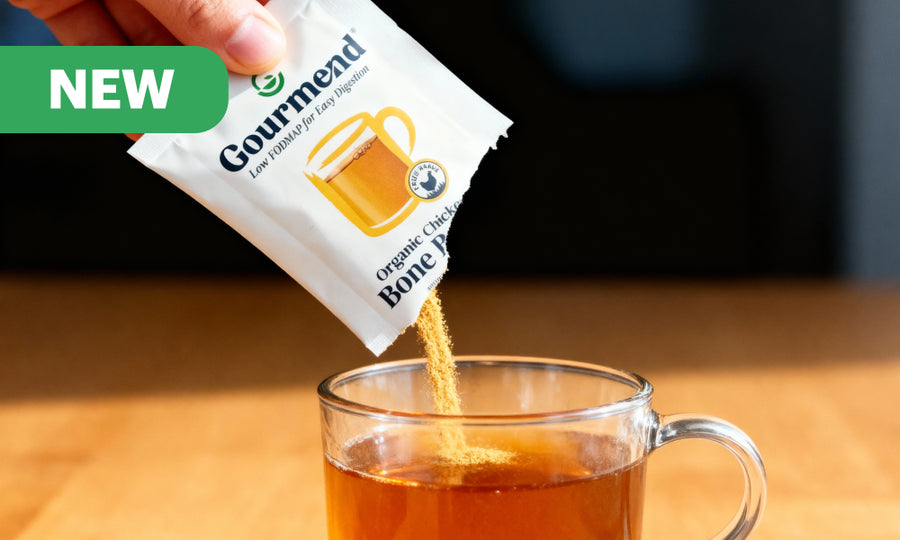
Our Organic Chicken Bone Broth uses a 16-hour simmer with scallion greens, leek tops, and chives instead of onion and garlic. Seven organic ingredients create the savory depth you want without the digestive issues. No filler, no shortcuts.
Taste, Texture, and Nutrition Breakdown

Why They Taste Different
Stock tastes clean and light. Perfect for building sauces where you want background flavor, not a starring role. Bone broth is concentrated and rich. The kind of thing you'd actually want to drink straight.
That Silky Texture Comes From Gelatin
The gelatin in bone broth creates a fuller mouthfeel. It naturally thickens soups and stews without added starches. Stock stays thin, which works better when you need a liquid that won't change your recipe's intended texture.
What's Actually in There
Bone broth's longer cooking extracts amino acids like glycine and proline from collagen breakdown. Both contain minerals like calcium and magnesium, though bone broth typically concentrates them more. If you're asking which is healthier bone broth or stock, it depends what you're after. Bone broth for gelatin and amino acids, stock for everyday cooking flexibility.
Low FODMAP Innovation
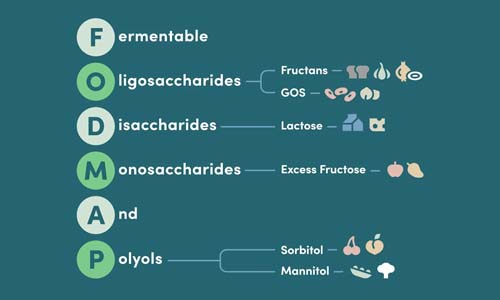
Traditional recipes rely on onion and garlic for depth. We use scallion greens, leek tops, and chives instead. Same savory foundation, gentler on your gut.
When to Use Each One
Stock: Your Everyday Base
Use stock for risotto, gravy, and delicate soups. Its lighter flavor lets other ingredients shine. Great when you want to add liquid without overpowering the dish.
Bone Broth: For Richness and Body
Can you substitute bone broth for chicken stock? Yes, but taste first. Bone broth shines in stews, braises, and as a warm beverage. Its natural gelatin improves texture in slow-cooked dishes.
Our Organic Chicken Bone Broth Powder gives you control over sodium while packing the same seven organic ingredients: free-range chicken bones, scallion greens, carrots, celery, leek tops, chives, and parsley.
Making Smart Swaps
Can I use bone broth instead of stock? Usually, yes. For lighter dishes, dilute bone broth 2:1 or 3:1 with water to dial down the intensity. This keeps cream soups from tasting too heavy.
Stock vs bone broth for soup? Light vegetable soups work better with stock's clean backdrop. Hearty stews and thick soups pair perfectly with bone broth's fuller body.
| Recipe Type | Best Choice | Substitution Notes |
|---|---|---|
| Risotto | Stock | Dilute bone broth 2:1 with water |
| Braised Meats | Bone Broth | Use full strength for richness |
| Light Soups | Stock | Dilute bone broth 3:1 with water |
| Stews | Bone Broth | Gelatin improves texture |
Building Flavor the Low FODMAP Way
Skip onion and garlic bulbs. Use scallion greens and leek tops for aromatic depth instead. Carrots and celery add sweetness. Fresh herbs like parsley brighten richer dishes. You don't need a long ingredient list to create satisfying, gut-friendly meals.
What to Look for in Store-Bought Options

Not All "Bone Broth" Is Actually Bone Broth
Some products labeled as bone broth are just quick-cooked stock with added gelatin. Check the ingredient list. The best ones keep it simple and avoid thickeners.
Ingredients That Might Trip You Up
Watch for "natural flavors," yeast extract, and preservatives if you have sensitive digestion. Many broths sneak in onion powder and garlic powder, which can be problematic for Low FODMAP eating. Sodium varies wildly, so read labels.
Our Clean-Label Promise
We keep it straightforward. Our Organic Chicken Bone Broth has seven ingredients: water, free-range chicken bones, scallion greens, carrots, celery, leek tops, chives, and parsley. That's it.
Why I Started Gourmend
I'm Ketan Vakil, founder of Gourmend Foods. After dealing with IBS, I got tired of choosing between great flavor and feeling good. Gourmend came from that frustration. Making Low FODMAP cooking easier without sacrificing taste. I'm not a dietitian, but I'm committed to practical, science-backed cooking that helps people feel confident in their kitchens.
The Bottom Line
Stock gives you a versatile, light base for everyday cooking. Bone broth brings richness and body to hearty dishes. Both have their place, but knowing the difference between chicken stock and bone broth helps you cook with intention.
If you're managing digestive sensitivities, ingredient transparency matters. Low FODMAP options can help minimize symptoms for people with IBS. That's our standard at Gourmend: organic ingredients, no added salt, and flavor built without onion and garlic bulbs.
Once you understand how they differ, substitution becomes intuitive. Taste as you go, dilute when needed, and season to your preference.
Frequently Asked Questions
What is the main difference between chicken stock and bone broth?
The primary differences lie in cooking time and ingredients. Chicken stock simmers for 2 to 4 hours, often with meat and vegetables, resulting in a lighter liquid. Bone broth, on the other hand, simmers for 12 to 24 hours, focusing on bones to extract more collagen and create a thicker, more gelatinous liquid. This longer process yields distinct flavor profiles and textures.
Why does bone broth often gel when cooled, but stock usually doesn't?
Bone broth's gelatinous texture comes from its extended simmering time, typically 12 to 24 hours. This prolonged heat breaks down collagen from bones, cartilage, and tendons into gelatin. Chicken stock, with its shorter cooking time of 2 to 4 hours, doesn't extract as much collagen, so it usually remains liquid when cooled.
When should I choose chicken stock versus bone broth for cooking?
Chicken stock is ideal for recipes needing a lighter, subtle background flavor, such as delicate soups, risottos, or gravies. Bone broth, with its deeper flavor and natural gelatin, is better suited for hearty dishes like stews, braises, or as a rich, satisfying beverage. Your choice depends on the desired depth and mouthfeel of your final dish.
What nutritional components are typically found in bone broth?
Bone broth, due to its longer simmering, is known for containing collagen-derived compounds, including amino acids like glycine and proline. It can also concentrate minerals such as calcium, magnesium, and phosphorus. While I'm not a dietitian, many people choose bone broth for these naturally occurring components.
How can Gourmend's bone broth be a good option for sensitive digestion?
At Gourmend, we designed our Organic Chicken Bone Broth with sensitive digestion in mind. We replace high-FODMAP ingredients like onion and garlic bulbs with low-FODMAP alternatives such as scallion green tops, leek green tops, and chives. This approach allows us to create a rich, savory flavor while helping to minimize gastrointestinal symptoms for those with IBS or other sensitivities.
Can I substitute bone broth for chicken stock in recipes?
Yes, you can often substitute bone broth for chicken stock, but I recommend a quick taste check and some adjustments. Bone broth has a deeper, more concentrated flavor and thicker body, so for lighter dishes, you might want to dilute it with water, perhaps a 2:1 or 3:1 ratio. This helps maintain the intended flavor balance without overwhelming other ingredients.