


Best Broth Sampler Alternatives

Broth Sampler alternatives
Navigating the field of broths can feel like a culinary adventure, especially when you're seeking bold flavors that also respect your digestive system. Many home cooks dream of having a pantry stocked with a variety of broths ready for any recipe, from a comforting soup on a chilly evening to the base for a complex sauce. But, the search for that perfect, gut-friendly variety pack can often lead to confusion, with shelves overflowing with options that don't quite hit the mark. This is where understanding what truly makes a quality broth, and how to assemble your own collection, becomes paramount. We’re here to guide you toward delicious, worry-free choices.
Key Takeaways
- Building your own collection of gut-friendly broths gives you more control over ingredients and flavor profiles than buying pre-made variety packs.
- Reading broth labels carefully helps you spot hidden ingredients that might trigger digestive discomfort.
- A well-stocked pantry with diverse, low FODMAP broths prepares you for everything from simple soups to complex sauces.
- Bold taste and digestive comfort can coexist when you select the right broth options for your cooking needs.
When you're looking for the best Broth Sampler alternatives, the goal is usually to find a curated selection of flavors that cater to diverse culinary needs and dietary considerations, all without compromising on quality or causing digestive upset. Often, pre-packaged samplers aim to provide this convenience, but they can fall short by including ingredients that trigger sensitivities or by lacking genuine depth. At Gourmend Foods, we believe in empowering you to create a personalized experience that aligns perfectly with your taste and wellness goals. Let's look at how to make informed choices.
What to Look for in Broth Sampler Alternatives
The quest for a versatile broth selection often begins with the desire to sample different flavor profiles and applications. A good broth sampler, or the alternatives to one, should offer a spectrum of tastes. From the rich, savory notes of beef and chicken bone broths to the delicate, earthy tones of a well-crafted vegetable broth. Variety isn't just about having choices; it's about having the right tool for the job, whether that’s building a foundation for a hearty stew, deglazing a pan, or simply enjoying a warm, nourishing drink. Understanding what makes a broth stand out, particularly for digestive compatibility, is key to making selections that truly benefit your cooking.
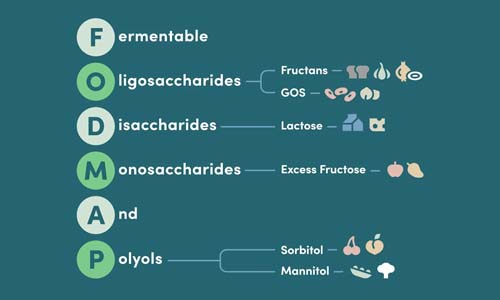
For those managing digestive sensitivities, like Irritable Bowel Syndrome (IBS), which affects approximately 1 in 7 people worldwide according to the Rome Foundation, the contents of a broth are as important as its flavor. The low FODMAP diet, proven to reduce symptoms in up to 75% of IBS patients based on Monash University research, requires careful attention to ingredients. This means scrutinizing labels for common triggers like onion and garlic powder, which are frequent culprits in conventional broths, even those marketed as “natural” or “gourmet.” Beyond these obvious offenders, watch out for hidden additives such as maltodextrin, high-FODMAP vegetable extracts, and vague “natural flavors” that can mask unwanted ingredients.
A superior broth alternative focuses on clean, recognizable ingredients, offers distinct and complementary flavor profiles, and is free from common digestive irritants like high-FODMAP ingredients (onion, garlic). It should provide culinary depth and versatility, supporting both healthy cooking and gut comfort. Prioritizing organic, filler-free options ensures you're getting pure goodness.
When evaluating potential broth sampler alternatives, a checklist of desirable qualities can be immensely helpful. Consider the following:
- Ingredient Transparency: Look for clear, simple ingredient lists. Organic, whole-food components are always a plus.
- Flavor Depth Without Triggers: Does the broth offer savory, umami notes without relying on onion or garlic? For example, chives, leek greens, and nori seaweed can provide this complexity.
- Dietary Certifications: For those needing specific dietary support, certifications like FODMAP Friendly, gluten-free, or organic provide an extra layer of assurance.
- Culinary Versatility: Can the broth be used in multiple ways. Sipping, cooking, braising, sauces?
- Clean Label Promise: Avoid broths with preservatives, artificial colors, excessive sodium, or fillers.
How to Build Your Own Low FODMAP Broth Sampler

Creating your own custom broth assortment is an exceptionally rewarding way to ensure you always have the perfect, gut-friendly liquid on hand. This approach allows for complete control over ingredients, ensuring every carton or container meets your specific dietary needs and flavor preferences, a significant advantage over pre-made samplers. By selecting individual, high-quality broths, you can tailor a collection that supports everything from quick weeknight meals to elaborate culinary creations, all while maintaining peace of mind regarding your digestive comfort. This method puts you in the driver's seat of your kitchen.
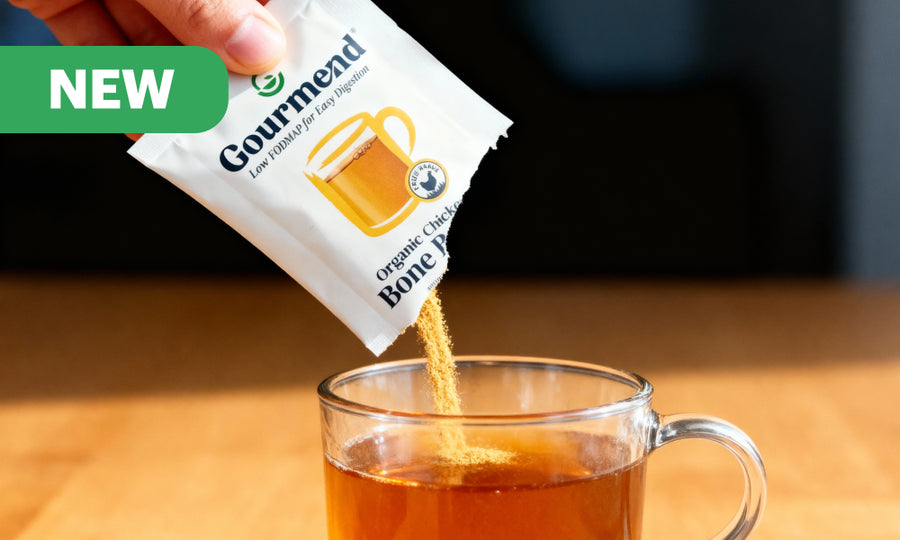
The foundation of any great broth collection lies in the quality of its base liquids. For a low FODMAP diet, selecting carefully crafted broths is paramount. Consider starting with a strong organic chicken bone broth, simmered for 16 hours using free-range bones, which provides a rich collagen base and deep flavor. Complement this with an organic beef bone broth, offering another layer of savory intensity and nutritional benefits. Finally, a carefully formulated organic vegetable broth is essential for plant-based dishes or when a lighter profile is desired. These individual offerings, like those from Gourmend Foods, are designed with clean ingredients and culinary excellence in mind, making them ideal building blocks.
Curating Your Custom Broth Experience
-
Step 1: Select Your Base Liquids
Choose 2-3 core broths that cover your most frequent culinary needs. For comprehensive coverage, a high-quality organic chicken bone broth, an organic beef bone broth, and an organic vegetable broth are excellent choices. Look for products specifically free from onion and garlic, and ideally certified low FODMAP or made with ingredients like leek greens and chives for that essential allium flavor without the trigger. Gourmend's individual cartons are perfect for this step, offering shelf-stable convenience.
-
Step 2: Layer in Umami and Depth
Once your bases are solid, think about how to add layers of complexity. Our vegetable broth, for example, achieves rich umami through ingredients like nori seaweed and oyster mushrooms, providing a depth often missing in plain vegetable stock. If you’re using store-bought options, always check the ingredients to ensure they haven’t added high-FODMAP elements. For homemade variations, consider adding herbs like thyme or rosemary, or a small amount of nutritional yeast for a cheesy, savory note. The Gourmend Sampler is a fantastic way to experience these unique flavor profiles and understand how we build depth.
-
Step 3: Consider Storage and Shelf Life
The beauty of many modern broths, including ours, is their shelf-stable format. Packaged in cartons, they don't require refrigeration until opened, making them ideal for stocking a pantry. This means your carefully curated collection won't take up precious refrigerator space and will remain fresh for extended periods, ready whenever inspiration strikes. When you do open a carton, simply refrigerate any leftovers, where they typically stay fresh for 5-7 days. This convenience significantly reduces waste and ensures you always have quality broth available.
By constructing your own broth collection, you move beyond generic samplers and embrace a personalized culinary strategy. This empowers you to experiment with recipes, confident that your foundational ingredients are both delicious and digestive-friendly. The ability to select individual broths means you can replenish your favorites as needed, avoiding the commitment to a larger sampler that might include flavors you use less often.
Comparing Your Options: Bone, Meat, and Vegetable Broths
When exploring the field of broths, understanding the distinct characteristics of bone, meat, and vegetable varieties is fundamental to selecting the perfect liquid for any culinary endeavor. Each type offers a unique flavor profile, texture, and nutritional contribution, making them suitable for different applications. Bone broths, for example, are celebrated for their rich, gelatinous texture derived from slow simmering bones and connective tissues, yielding a significant protein content, often up to 10 grams per serving, largely from collagen. This makes them ideal for sipping, adding body to soups, or creating luxurious sauces. Traditional meat broths, while sharing savory qualities, are typically made from simmering meat with bones and vegetables for a shorter period, resulting in a lighter, more delicate flavor that’s versatile for a wide range of dishes without overpowering other ingredients.
Vegetable broths offer a plant-based foundation, providing earthy notes and essential moisture to dishes. But, achieving a truly savory, umami-rich vegetable broth can be challenging, as many simple versions can taste watery or lack depth. This is where thoughtful ingredient selection becomes paramount. At Gourmend Foods, we’ve mastered the art of plant-based umami in our organic vegetable broth by incorporating ingredients like nori seaweed and oyster mushrooms. These elements provide a profound, satisfying savory depth that rivals traditional broths, making it an exceptional choice for vegan and vegetarian cooking, or as a sophisticated base for any recipe where a lighter, yet deeply flavorful, profile is desired. It demonstrates that a vegetable broth can be just as complex and satisfying as its meat-based counterparts.
Understanding Broth Types
The core difference between bone, meat, and vegetable broths lies in their primary ingredients and simmering processes, which dictate their flavor, texture, and culinary use. Bone broths Yes, blending different broth types can add complexity and depth to your dishes. Combining bone broth with vegetable broth, for example, can balance the rich collagen and protein content of bone broth with the bright umami notes from vegetables and seaweed derivatives. This layering approach allows you to tailor the flavor profile precisely to your culinary goals while maintaining digestive comfort, especially important for those following a low FODMAP diet. When mixing, consider the overall salt content and seasoning to prevent overpowering the dish. The Gourmend Sampler offers a convenient way to experiment with such combinations, providing you with organic chicken bone, beef bone, and vegetable broths crafted without common gut irritants. Shelf-stable broth cartons typically have a long shelf life, ranging from six months to a year unopened, depending on packaging and storage conditions. The aseptic packaging technology used in premium products like the Gourmend Sampler ensures that broths remain fresh without preservatives or additives, which aligns with clean-label preferences. Once opened, refrigerated storage is essential, and broths should be consumed within 5 to 7 days for optimal flavor and safety. Always check the expiration date printed on the carton and store broths in a cool, dry place away from direct sunlight to maximize shelf life before opening. Proper storage of leftover broth preserves its flavor and safety while minimizing waste. After use, transfer broth to an airtight container and refrigerate promptly. Glass containers with tight-fitting lids are ideal as they do not absorb odors and maintain freshness. Leftover broth should be used within 5 days when refrigerated. For longer storage, freezing is an excellent option; portion the broth into freezer-safe containers or ice cube trays for convenient future use. Frozen broth maintains quality for up to three months. When thawing, do so in the refrigerator overnight to prevent bacterial growth. These practices help retain the nutritional benefits and clean flavor profile that makes broth a versatile kitchen staple. Water combined with herbs, dried mushrooms, or aromatics like leek greens can serve as a quick broth replacement in cooking. As someone who struggled with IBS, I created Gourmend Foods to offer organic, low FODMAP certified broths that deliver authentic savory depth without common triggers like onion and garlic. Bouillon cubes can technically replace broth in recipes, but many conventional cubes contain hidden additives like maltodextrin, excessive sodium, and FODMAP triggers such as onion and garlic powder. I always recommend scrutinizing labels carefully, as vague terms like natural flavors can mask ingredients that cause digestive discomfort for sensitive individuals. A well-crafted organic vegetable broth makes an excellent bone broth alternative, offering savory depth through clean ingredients like nori seaweed and leek greens. The key is finding options that build complex flavor without relying on common digestive triggers, which is exactly what motivated me to start Gourmend Foods. Water with dried herbs, a splash of coconut aminos, or rehydrated mushrooms can work as a quick stock substitute in most recipes. Building a pantry with shelf-stable, certified low FODMAP broths ensures you always have a gut-friendly base ready for soups, sauces, and braising without last-minute compromises. No strong scientific evidence directly links bone broth consumption to lower cortisol levels. While bone broth contains beneficial nutrients like collagen, I focus on what we can verify: choosing organic broths with clean, transparent ingredients that support digestive comfort without triggering IBS symptoms. Look for broths with simple, recognizable ingredient lists that are free from onion, garlic, and hidden additives like maltodextrin or vague natural flavors. Certifications such as low FODMAP, gluten-free, and organic provide an extra layer of assurance that the product meets specific dietary requirements for sensitive digestive systems.Frequently Asked Questions About Broth Samplers
Can I mix different broth types in the same recipe?
How long do shelf-stable broth cartons last?
What is the best way to store leftover broth?
Frequently Asked Questions
What can I use as a replacement for broth?
Can bouillon cubes replace broth?
What is a good replacement for bone broth?
What to use when you have no stock?
Does bone broth lower cortisol?
How do I choose a gut-friendly broth?