


Bone Broth for GERD: Soothe Acid Reflux

bone broth gerd
Navigating life with GERD can feel like a constant tightrope walk, especially regarding food. The fear of triggering discomfort often leads to a bland diet, missing out on the rich, satisfying flavors that truly make meals enjoyable. At Gourmend Foods, we believe that managing digestive health doesn't mean sacrificing gourmet taste. Our mission is rooted in the understanding that food should be both delicious and gentle, a principle that guides everything we create. For many, finding relief involves exploring natural remedies and ingredients that support gut health without causing further irritation. This exploration often leads to questions about which foods can truly help soothe symptoms and which might exacerbate them.
Key Takeaways
- Managing GERD does not require a bland diet, but it does demand careful ingredient choices that support digestion.
- Bone broth can be a valuable part of a GERD-friendly eating plan when it is made with low-acid, whole food ingredients.
- Finding natural remedies for acid reflux starts with understanding which foods calm irritation and which trigger discomfort.
- A clean-label approach to bone broth avoids common additives that might worsen GERD symptoms while still delivering satisfying flavor.
In this guide, we'll explore how a carefully chosen bone broth can become a valuable part of your GERD management strategy. We'll explore what makes bone broth different, its potential benefits for digestive well‑being, and how to select the best options to support your journey towards comfort and flavor. Our aim is to provide clear, evidence‑based insights to help you make informed choices, enabling you to enjoy your meals with confidence. The term "bone broth gerd" will be referenced throughout to highlight its relevance.
Understanding Bone Broth and GERD
When discussing GERD, or Gastroesophageal Reflux Disease, we're referring to a chronic condition where stomach acid frequently flows back into the esophagus, causing symptoms like heartburn, regurgitation, and chest pain. Many factors can contribute to GERD, including diet, lifestyle, and physical anatomy. The challenge lies in identifying foods that can calm, rather than agitate, the digestive system. Bone broth, a nutrient‑dense liquid simmered from bones and connective tissues, has emerged as a popular food for those seeking digestive support. Unlike standard broths or stocks, bone broth is typically simmered for much longer periods, often 12 to 24 hours, to extract maximum collagen, gelatin, and minerals from the bones.
The core composition of bone broth includes amino acids like glycine and proline, which are fundamental building blocks for proteins and connective tissues. These components are thought to play a role in gut lining integrity. For individuals managing GERD, the gentle nature and nutrient profile of bone broth can be particularly appealing. It offers hydration and essential nutrients in an easily digestible format, making it a comforting choice when other foods might be too heavy or acidic. Understanding the relationship between bone broth and GERD involves looking at its potential to soothe inflammation and support the gastrointestinal tract, rather than directly neutralizing stomach acid. The key is its composition and how it can aid in overall digestive health.
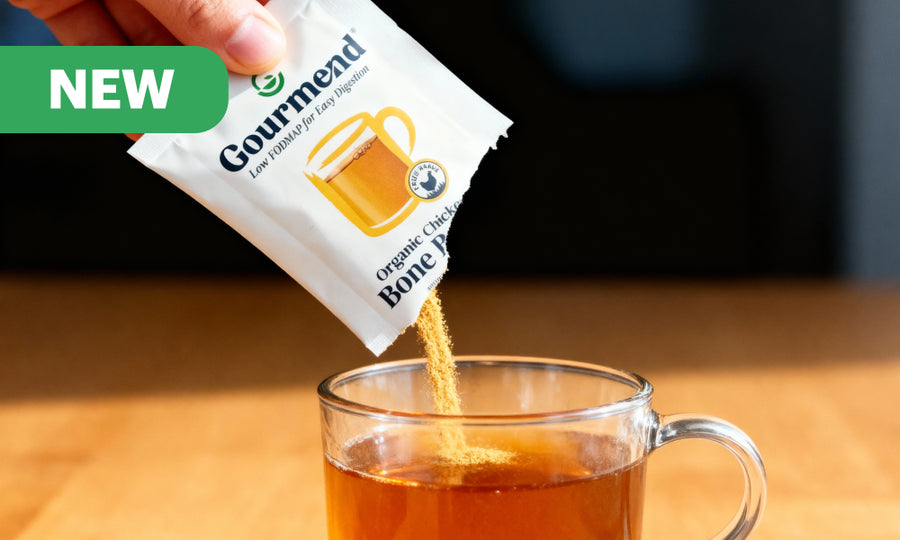
It's important to distinguish between different types of broths. While a standard chicken broth might offer some flavor and hydration, true bone broth, like our Organic Chicken Bone Broth | Low FODMAP & Unsalted, undergoes a prolonged simmering process that results in a richer, more gelatinous liquid. This richness is attributed to the collagen and gelatin extracted from the bones and connective tissues. These compounds are believed to support the integrity of the gut lining, a concept that has gained attention in discussions around digestive health and conditions like GERD. When considering bone broth for GERD, the focus shifts to its potential restorative properties for the digestive tract, offering a gentle, nourishing option. The phrase "bone broth gerd" is often used by readers seeking targeted information.
How Bone Broth Can Support GERD Management

The potential benefits of bone broth for GERD management stem from its unique nutritional profile and its easy digestibility. Bone broth is rich in gelatin, collagen, amino acids, and minerals that may contribute to healing and supporting the gastrointestinal tract lining. For individuals experiencing GERD, a compromised gut lining can sometimes exacerbate symptoms, and the gelatin in bone broth is thought to help fortify this barrier. Glycine, an amino acid abundant in bone broth, possesses anti‑inflammatory properties which can be beneficial for a sensitive digestive system. This makes the prospect of consuming Organic Chicken Bone Broth | Low FODMAP & Unsalted an attractive one for many seeking natural relief.
Beyond its direct impact on the gut lining, bone broth offers a soothing and hydrating base for meals. Warm liquids can be inherently comforting for an irritated esophagus. When prepared without common triggers like onion and garlic bulbs, or excessive salt, it becomes an even more suitable option. For example, our approach at Gourmend Foods is to use ingredients like scallion green tops and chives to build flavor, ensuring our broths are low FODMAP and gentle. This thoughtful ingredient selection is paramount for GERD‑friendly diets. The clean, simple nature of a well‑made bone broth means it can be sipped on its own or used as a base for low‑FODMAP soups and stews, providing nourishment without triggering reflux.
Key Insights for Bone Broth & GERD
Potential Benefits
- Rich in gelatin and collagen, which may help support the integrity of the gastrointestinal tract lining.
- Contains amino acids like glycine, known for its anti‑inflammatory properties that can benefit a sensitive digestive system.
- Provides hydration and essential minerals in an easily digestible liquid form.
- Offers a comforting, warm beverage option for soothing irritated tissues.
- When made with low‑FODMAP ingredients, it can be a safe and flavorful addition to a GERD‑friendly diet.
Considerations
- Not all bone broths are created equal; ingredient quality and preparation methods matter significantly.
- Some individuals may still find certain ingredients or the richness of bone broth to be a trigger.
- The term "bone broth" can be used loosely; look for long simmer times and quality sources.
- It's not a cure but a supportive food that can complement a comprehensive GERD management plan.
When exploring bone broth for GERD, it's helpful to consider the broader context of diet and digestive health. While bone broth itself is generally well‑tolerated and offers potential benefits, the overall dietary pattern is key. For example, some research suggests that fermented foods like kefir can also play a role; a 2015 study indicated that regular kefir consumption reduced acid reflux symptoms in participants (source: casadesante.com). Still, it is also noted that can kefir make acid reflux worse for some, with dairy versions sometimes being problematic, while water or coconut kefir might be better tolerated (source: casadesante.com). This highlights the individual nature of GERD management. Similarly, for is chicken bone broth good for acid reflux, the answer often lies in its preparation and the absence of triggers. Anecdotal evidence from communities like Reddit's r/GERD suggests that many find homemade or carefully selected broths beneficial, though caution is always advised when introducing new foods (source: reddit.com).
How to Choose Bone Broth for GERD
Selecting the right bone broth when managing GERD is paramount, as not all broths are created equal, and some can inadvertently trigger symptoms. The key lies in understanding what makes a bone broth truly beneficial and gut‑friendly. When you're looking for a broth that supports your digestive journey, prioritize products that are made with simple, whole ingredients and undergo a long, slow simmering process. This process is essential for extracting collagen, gelatin, and minerals that contribute to its soothing properties. For individuals managing GERD, the absence of common irritants like onion and garlic bulbs, high sodium, and artificial additives is non‑negotiable. This careful selection ensures that the broth acts as a source of nourishment and comfort, rather than a potential trigger.
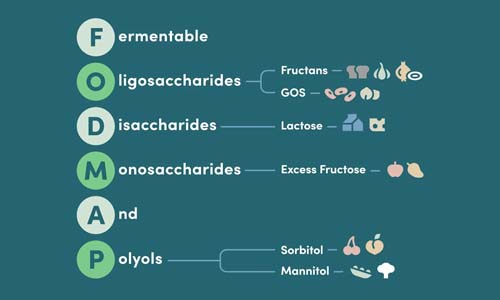
When considering your options, pay close attention to the ingredient list. A clean‑label bone broth will feature a short, recognizable list of high‑quality components. At Gourmend Foods, we've meticulously crafted our broths to align with these principles. For example, our Organic Chicken Bone Broth | Low FODMAP & Unsalted is made with just seven organic ingredients: free‑range chicken bones, water, scallion green tops, carrots, celery, leek green tops, chives, and parsley. We specifically use the green tops of scallions and leeks, along with chives, to provide savory depth reminiscent of onion and garlic without the high FODMAP content that can provoke digestive distress. This thoughtful ingredient sourcing is what allows us to offer a product that is both delicious and gentle, making it a smart choice for those prioritizing digestive wellness.
The simmering time is another essential factor in bone broth quality. True bone broths are simmered for extended periods, typically between 12 to 24 hours. This duration allows for the breakdown of collagen and connective tissues into gelatin, which is believed to support the gut lining. Shorter simmer times might produce a flavorful stock, but they won't yield the same concentration of beneficial compounds found in a well‑prepared bone broth. When reviewing product labels, look for indicators of this long simmering process, or choose brands transparent about their methods. The richness and slight viscosity of a high‑quality bone broth are testaments to its proper preparation and its potential to offer significant support for digestive health. Understanding these nuances can guide you toward the most effective and comforting choices for your GERD management.
Qualities to Seek in Bone Broth for GERD Management
Key Features to Look For
- Simple, Organic Ingredients: Prioritize broths made with recognizable, high‑quality, organic components.
- Absence of Triggers: Ensure no onion or garlic bulbs, excessive sodium, artificial flavors, preservatives, or fillers are present.
- Long Simmering Time: Look for indications of 12‑24 hour simmering for maximum collagen and gelatin extraction.
- Low FODMAP Certification: For those sensitive to FODMAPs, certified low FODMAP products offer added assurance.
- Proper Flavoring Agents: Seek broths that use gentler aromatic ingredients like scallion greens or chives for depth.
- Nutrient Density: A good bone broth should be rich in amino acids, minerals, and gelatin.
Ingredients and Factors to Avoid
- Onion and Garlic Bulbs (high FODMAP)
- High Sodium Content
- Artificial Sweeteners, Flavors, or Preservatives
- Yeast Extract (often a hidden source of MSG or high FODMAPs)
- Carageenan or other Thickeners (can be irritating for some)
- Short Simmering Times (resulting in less gelatin and fewer nutrients)
When evaluating bone broth, consider the origin and type of ingredients used. For example, using bones from pasture‑raised, free‑range animals often signifies better quality and nutrient content. Similarly, the selection of aromatics is important. While traditional recipes might rely heavily on onion and garlic, these are high in FODMAPs and can be significant triggers for GERD symptoms. This is where innovative approaches to flavor become essential. Brands that thoughtfully substitute these with ingredients like scallion green tops, leek greens, and chives offer a superior option for digestive wellness. These ingredients provide a similar savory profile without the problematic fructans found in onion and garlic bulbs, making them ideal for a GERD‑friendly diet.
Also, the preparation of bone broth for GERD management should ideally involve minimal to no added salt, allowing you to control sodium intake precisely. Unsalted broths also offer greater flexibility in cooking, enabling you to season dishes to your specific taste and dietary needs. This control is important for anyone carefully managing their GERD. The texture of the broth can also be an indicator of quality; a well‑made bone broth will often have a slightly gelatinous consistency when chilled, due to the high collagen content. This viscosity contributes to its mouthfeel and perceived soothing qualities. By focusing on these specific attributes. Simple ingredients, absence of triggers, long simmering, and controlled seasoning. You can confidently select a bone broth that supports your GERD management journey and improves your culinary experiences.
References
Frequently Asked Questions
When managing GERD, questions often arise about whether specific foods like bone broth or kefir help or worsen symptoms. Many wonder if bone broth causes acid reflux or if it can provide relief. The answer depends largely on the broth’s ingredients and preparation. Bone broth itself is generally considered soothing and rich in gut‑supportive compounds such as collagen and gelatin, which may help repair the digestive lining. Still, broths containing high‑FODMAP ingredients like onion and garlic bulbs or excessive salt might trigger reflux symptoms for some individuals.
Regarding kefir, emerging research and anecdotal reports highlight its potential to ease GERD symptoms. A 2015 study showed that participants who consumed kefir twice daily experienced a notable reduction in acid reflux symptoms (source). This benefit is attributed to kefir’s rich probiotic content, including Lactobacillus strains that help balance gut flora. Despite these promising findings, some people find that dairy kefir worsens their reflux, likely due to its acidity and lactose content. Alternatives such as water kefir or coconut kefir may be better tolerated (source).
Many individuals turn to online communities like Reddit’s r/GERD to share their experiences with bone broth and kefir. Reports often describe starting with small amounts to assess tolerance, gradually increasing as symptoms allow (source). This cautious approach helps identify personal triggers while benefiting from the nourishing properties of these foods.
One common concern is whether chicken broth is suitable for acid reflux. Traditional chicken broth varies widely in preparation and ingredients. A carefully crafted bone broth, such as Organic Chicken Bone Broth | Low FODMAP & Unsalted, offers a low‑FODMAP, unsalted option made with aromatic, gut‑friendly ingredients like scallion green tops and chives. This makes it a favorable choice compared to conventional broths that may include reflux triggers.
For those concerned about whether bone broth aggravates symptoms, it is important to recognize that reactions can vary. Some people may find the richness or certain components like glutamates in broth to be irritating, while others experience relief from inflammation and improved gut integrity. Monitoring your body’s response and selecting broths without high‑FODMAP ingredients can make a significant difference.
To summarize key points: bone broth can be a gentle, nourishing addition to a reflux‑friendly diet when sourced and prepared thoughtfully. The Organic Chicken Bone Broth | Low FODMAP & Unsalted is an example of a product designed with digestive sensitivity in mind, featuring organic, simple ingredients and a long simmer to extract gut‑supportive nutrients. Kefir may also provide benefits due to its probiotics but should be introduced cautiously to gauge tolerance. Ultimately, personal experimentation under guidance is the best way to discover what works for your unique digestive health.
About the Author
Ketan Vakil is the founder of Gourmend Foods and the driving force behind its innovative product line.
After personally navigating the challenges of eating with digestive sensitivities, Ketan set out to make clean, flavorful cooking essentials accessible to everyone. He led the development of Gourmend's FODMAP Friendly certified low FODMAP broths, seasonings, and salts - products crafted to deliver bold flavor without common gut triggers. Ketan shares insights, product updates, and ideas to help you cook with confidence.
Gourmend Foods is committed to crafting high-quality, certified low FODMAP ingredients and seasonings to make your cooking journey both easy and delightful. Discover our Gourmend Low FODMAP Products.
"