



How to Choose Bone Broth for a Low FODMAP Diet

Best bone broth for low FODMAP diet and IBS?
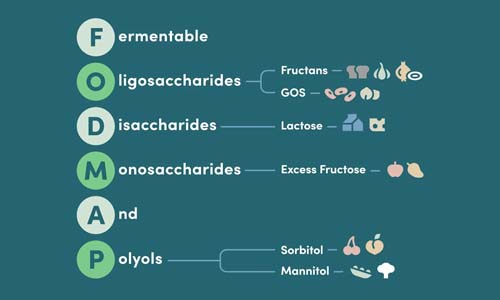
Navigating a low FODMAP diet, especially when managing IBS, can feel like a culinary tightrope walk. The desire for rich, satisfying flavors often clashes with the need to avoid common digestive triggers. Bone broth, a staple for its comforting warmth and nutritional profile, can be a particular challenge. Many conventional options are loaded with hidden ingredients that can upset a sensitive gut. So, what truly makes a bone broth suitable for a low FODMAP lifestyle, and how do you find options that deliver on both taste and gentleness? Discovering the best bone broth for low FODMAP diet and IBS? requires a keen eye for ingredients and an understanding of what your body needs.
Key Takeaways
- Always check the ingredient list for onion and garlic powders, which are common high FODMAP triggers in store bought bone broths.
- Look for bone broths made with only animal bones, water, and safe low FODMAP vegetables like carrots or celery.
- Slow simmered broths from reputable brands often avoid added yeast extract or natural flavors that can hide FODMAPs.
- Choosing a bone broth with no added sugars or high fructose ingredients helps keep your gut calm while still getting collagen and minerals.
- Your best bet is a bone broth that clearly states it is low FODMAP certified or tested to avoid guesswork and digestive discomfort.
At Gourmend Foods, we believe that managing digestive health shouldn't mean sacrificing gourmet experiences. Our mission is to provide clean-label essentials that empower you to cook and eat with confidence, savoring every delicious bite. This means meticulously sourcing ingredients and ensuring our products align with scientifically validated dietary approaches like the low FODMAP diet.
What Makes a Bone Broth Low FODMAP?
The journey to finding a truly low FODMAP bone broth begins with understanding its potential pitfalls. Many store-bought broths, even those labeled "natural" or "healthy," contain high-FODMAP ingredients like onion and garlic powders, or even concentrated vegetable extracts that can trigger symptoms. These ingredients are common flavor enhancers, but for individuals with IBS or other digestive sensitivities, they are significant concerns. The challenge lies in their ubiquity; it's rare to find a broth that doesn't use them as a base for savory depth.
Reading labels is your first line of defense. Look beyond the main ingredients and scrutinize the "natural flavors" or "spices" list, as these can sometimes mask onion and garlic derivatives. Our approach at Gourmend Foods is different: we use ingredients like garlic scapes and the green parts of scallions and leeks, which are low in fructans and thus suitable for a low FODMAP diet. These provide that desirable onion-like flavor complexity without the digestive distress associated with the bulbs. Similarly, we incorporate ingredients like nori seaweed and oyster mushrooms into our beef and vegetable broths to build rich umami flavor profiles, steering clear of high-FODMAP additives.
Quick Label Checklist
- Avoid: Onion powder, garlic powder, onion extract, garlic extract, natural flavors (if not specified as low FODMAP).
- Look For: Green parts of leeks, scallions, or chives; herbs; spices (if listed individually and known to be low FODMAP); seaweed; mushrooms (specific low FODMAP varieties).
- Prioritize: Certified low FODMAP products.
Look for recognized independent low FODMAP certification, including FODMAP Friendly or Monash University, and confirm the tested serving size. These programs use laboratory testing to verify FODMAP content against their criteria, which can reduce guesswork while you follow a low FODMAP diet under qualified guidance.
FODMAP Friendly certification
Products that are FODMAP Friendly certified have undergone laboratory testing to verify their FODMAP content. This ensures they are suitable for individuals following a low FODMAP diet, helping to minimize digestive symptoms like bloating, gas, and pain. The certification provides an essential layer of trust and clarity for consumers navigating dietary restrictions.
Chicken vs. Beef vs. Fish: Which Bone Broth Is Best for IBS?

When selecting bone broth for digestive wellness, the type of animal bones used significantly influences its nutritional composition and culinary applications. Chicken bone broth, often praised for its comforting nature, is typically lighter in flavor and fat. It's rich in collagen, which breaks down into gelatin during simmering, contributing to its smooth texture and potential gut-soothing properties. This makes it a versatile base for soups, stews, and sauces, and it's generally well-tolerated by most individuals, including those with IBS.
Beef bone broth, on the other hand, offers a deeper, more savory flavor profile derived from simmering beef bones, often including marrow. It tends to be higher in protein and certain minerals. The extended simmering time, typically 12-24 hours for products like Gourmend's Organic Beef Bone Broth, is essential for extracting maximum collagen and nutrients. While rich, beef bone broth can also be higher in fat, which some individuals may need to moderate based on their specific IBS triggers. Its intense flavor makes it excellent for braising meats, creating hearty gravies, or as a base for dishes that benefit from a more profound savory note.
Fish bone broth, while less common in mainstream markets, offers a distinct nutritional profile, often rich in iodine and omega-3 fatty acids, depending on the fish used. Its flavor is delicate and distinctly oceanic. However, fish can be a more common allergen or trigger for some individuals compared to chicken or beef. For those exploring different options, it's important to consider any personal sensitivities to seafood when evaluating fish bone broth. Finding the best bone broth for low FODMAP diet and IBS? often comes down to personal tolerance and taste preferences, with chicken and beef being the most widely accessible and versatile choices for a low FODMAP lifestyle.
| Attribute | Chicken Bone Broth | Beef Bone Broth | Fish Bone Broth |
|---|---|---|---|
| Flavor Profile | Mild, comforting, slightly savory | Rich, deep, intensely savory, umami | Delicate, oceanic, distinct seafood notes |
| Primary Nutritional Contribution | Collagen, glycine, lighter protein | Collagen, gelatin, minerals (iron, zinc), higher protein | Minerals (iodine), omega-3 fatty acids (depending on fish) |
| Typical Fat Content | Lower | Moderate to Higher | Variable, can be higher in fatty fish |
| Digestibility for IBS | Generally very well-tolerated | Well-tolerated for most; may need moderation if sensitive to fat | Depends on individual sensitivity to seafood |
| Culinary Versatility | Soups, stews, sauces, cooking grains, sipping | Braising, gravies, hearty soups, sauces, sipping | Seafood dishes, chowders, delicate sauces |
| Common Low FODMAP Use | Excellent staple for daily use | Excellent staple, adds depth to savory dishes | Niche use, best for specific seafood-based recipes |
When considering versatility and broad appeal for a low FODMAP diet, both chicken and beef bone broths shine. Gourmend Foods offers both Organic Chicken Bone Broth and Organic Beef Bone Broth, crafted with a commitment to clean ingredients and slow simmering to maximize nutrient extraction. Our broths are designed to be delicious first, gentle always, providing a foundation for flavorful meals that respect your digestive health. For example, our Low FODMAP Taco Seasoning can be used to add bold flavor to ground meat cooked in beef broth, creating a meal that’s both satisfying and gut-friendly, proving that flavorful eating is entirely achievable on a low FODMAP diet.
Store-Bought vs. Homemade: What You Really Need to Know
The allure of homemade food is undeniable, especially when prioritizing health and specific dietary needs. For many, the idea of crafting bone broth from scratch conjures images of simmering pots filled with wholesome ingredients, promising unparalleled purity and flavor. This dedication to control is admirable, particularly for those managing conditions like IBS, where ingredient integrity is paramount. However, the reality of consistently preparing bone broth at home involves significant time investment, sourcing specific bones, and managing kitchen space, which isn't always practical for busy lives.
The convenience of store-bought broths is a powerful draw, offering a quick solution for weeknight meals or a comforting sip without the hours of preparation. Yet, this ease often comes with a hidden cost. Many conventional shelf-stable broths, even those marketed as "natural" or "healthy," can contain high-FODMAP ingredients like onion and garlic powders, or even hidden "natural flavors" that may include these triggers. These additives are frequently used to impart a savory depth that is otherwise difficult to achieve quickly, but for individuals sensitive to FODMAPs, they can lead to unwelcome digestive distress. This is why understanding what lurks in typical boxed broths is essential for anyone seeking the best bone broth for low FODMAP diet and IBS?
Homemade Bone Broth
- Complete control over ingredients, ensuring no hidden FODMAPs or additives.
- Opportunity to customize flavor profiles and nutrient density.
- Can be more cost-effective if bones are sourced affordably in bulk.
Homemade Bone Broth
- Extremely time-consuming, often requiring 12-24 hours of simmering.
- Requires significant kitchen space and ongoing monitoring.
- Sourcing high-quality bones can be challenging or costly.
- Potential for inconsistent results if not carefully managed.
Store-Bought Bone Broth
- Unmatched convenience and accessibility for quick meal preparation.
- Available in various types (chicken, beef, vegetable) and packaging formats.
- Often fortified or processed for extended shelf life.
Store-Bought Bone Broth
- High risk of hidden high-FODMAP ingredients like onion and garlic.
- "Natural flavors" can mask undesirable additives.
- May contain fillers, preservatives, or excessive sodium.
- Nutrient and collagen content can vary significantly by brand.
The trade-offs between homemade and store-bought are clear: time and control versus convenience. For those navigating a low FODMAP diet, the convenience of store-bought options can be a minefield of potential triggers. This is precisely where a brand like Gourmend Foods steps in, bridging the gap with products designed for both ease of use and gut-friendly integrity. We understand that finding the best bone broth for low FODMAP diet and IBS? requires more than just avoiding obvious high-FODMAP ingredients; it demands a commitment to clean labeling and thoughtful formulation. Our Organic Beef Bone Broth is simmered for 16 hours using free-range, organic bones, ensuring a rich, collagen-packed base. We meticulously avoid all high-FODMAP ingredients, using ingredients like garlic scapes and the green parts of scallions to provide authentic, savory depth without the digestive backlash. This commitment means our broths are not only convenient but also genuinely safe and delicious for a low FODMAP lifestyle. They represent the gold standard for convenience because they deliver on flavor and gut-friendliness, empowering you to create delicious meals without compromise.
What to Look for in a Boxed Broth
- FODMAP Friendly Certification: Independent testing for added assurance.
- Ingredient Transparency: Clear listing of all components, avoiding vague terms like "natural flavors" unless specified as low FODMAP.
- Absence of Triggers: No onion, garlic (powder, extract, or bulb), or high-FODMAP vegetable ingredients.
- Clean Label: Free from unnecessary fillers, preservatives, excessive sodium, GMOs, and artificial additives.
- Nutrient Density: Look for broths simmered for extended periods (12-24 hours) to maximize collagen and mineral extraction.
Gourmend’s approach to boxed broth is rooted in solving the common shortcomings found in conventional products. Our Organic Chicken Bone Broth and Organic Beef Bone Broth are simmered for 16 hours using free-range, organic bones, ensuring a rich, collagen-packed base. We meticulously avoid all high-FODMAP ingredients, using ingredients like garlic scapes and the green parts of scallions to provide authentic, savory depth without the digestive backlash. This commitment means our broths are not only convenient but also genuinely safe and delicious for a low FODMAP lifestyle. They represent the gold standard for convenience because they deliver on flavor and gut-friendliness, empowering you to create delicious meals without compromise.
5 Ways to Use Bone Broth Beyond Sipping (All Low FODMAP)
While sipping a warm mug of bone broth is undeniably comforting and beneficial, its true culinary potential extends far beyond a standalone beverage. For those navigating a low FODMAP diet, bone broth acts as a foundational ingredient, infusing dishes with depth and nutrition without the high-FODMAP culprits like onion and garlic. It’s a versatile ally in the kitchen, transforming everyday meals into gourmet experiences that are gentle on the digestive system. We believe that flavor should never be a casualty of dietary needs, and bone broth is your secret weapon for achieving just that.
Bone broth can elevate simple ingredients into something truly special. Imagine cooking grains like quinoa or rice, or even legumes such as lentils, in a flavorful broth instead of water. This simple substitution imbues them with a savory richness that makes side dishes exciting. Gourmend's Organic Chicken Bone Broth or Organic Beef Bone Broth provides a clean, certified low FODMAP base, ensuring that your grains and legumes become more palatable and satisfying, even when you're being mindful of triggers. This technique is a fundamental step in building flavorful, gut-friendly meals from the ground up.
Building complex sauces and tender braises without relying on onion and garlic requires a strategic approach to flavor. Bone broth serves as an exceptional liquid base that can carry other low FODMAP aromatics and seasonings. Consider using ingredients like the green tops of scallions, garlic scapes, or leek greens to introduce onion-like notes. When combined with Gourmend’s Low FODMAP Taco Seasoning, which is crafted with garlic scape and green onion powders instead of bulbs, you can create incredibly flavorful marinades or pan sauces. This seasoning, with its hand-picked spices like cumin from the Hindu Kush mountains and coriander from the Red River in Vietnam, offers a complexity that complements the savory notes of the broth beautifully, proving that bold flavor profiles are achievable.
For a quick and satisfying meal, bone broth is your gateway to a delicious low FODMAP ramen. Instead of traditional high-FODMAP broths, start with Gourmend’s Organic Chicken Bone Broth. Simmer it with low FODMAP vegetables like bok choy, carrots, and bean sprouts. Add your favorite protein, such as shredded chicken or tofu, and finish with a drizzle of sesame oil and a sprinkle of Gourmend’s Green Onion Powder or Garlic Scape Powder for an authentic flavor boost. This offers a restaurant-quality experience at home, tailored precisely to your dietary needs.
Integrating bone broth into smoothies might sound unconventional, but it’s a clever way to boost protein and nutrient intake, especially for those who find it challenging to consume enough. A small amount of plain, unflavored bone broth can add a subtle savory depth and a significant collagen boost without altering the taste profile of your fruit or vegetable smoothie. This is particularly beneficial for gut health, as collagen supports the integrity of the intestinal lining. Choose a broth with a neutral flavor profile, like our organic chicken or beef options, to seamlessly blend into your morning routine.
Finally, bone broth is the ultimate base for a wide array of gut-friendly soups. Beyond simple chicken noodle, think about creating a creamy, dairy-free soup by blending cooked low FODMAP vegetables like parsnips or cauliflower with warmed bone broth. Or, prepare a hearty lentil soup using Gourmend’s Organic Vegetable Broth as the base, seasoned with herbs and spices. The inherent gelatin and minerals in bone broth contribute to a satisfying texture and nutritional density, making even the simplest soup feel like a complete, nourishing meal. Its ability to carry flavor and provide substance without high-FODMAP ingredients makes it indispensable for creating comforting, digestive-friendly dishes.
Try This: Low FODMAP Ramen Bowl
- Broth Base: 2 cups Gourmend Organic Chicken Bone Broth
- Aromatics: 1 tsp grated ginger, 1/2 tsp Gourmend Garlic Scape Powder
- Vegetables: Sliced bok choy, shredded carrots, a handful of spinach.
- Protein: Sliced cooked chicken breast or firm tofu.
- Noodles: Low FODMAP ramen noodles or rice noodles.
- Garnish: Sliced scallion greens, a drizzle of sesame oil.
Simmer broth with ginger and garlic scape powder. Add vegetables and protein until tender. Serve over cooked noodles and garnish.
References
Frequently Asked Questions About Bone Broth and IBS

Navigating dietary choices when managing IBS can bring up many questions, particularly around staple foods like bone broth. Understanding its properties and potential interactions is key to making informed decisions for digestive comfort. We aim to provide clear, evidence-based answers to common queries, empowering you to incorporate bone broth confidently into your low FODMAP lifestyle.
Is all bone broth low FODMAP?
No, not all bone broth is inherently low FODMAP. While the primary ingredients. Bones, water, and sometimes vegetables for flavor. Can be low FODMAP, many commercial broths include high-FODMAP ingredients like onion and garlic powders, or concentrated vegetable extracts. These are common flavor enhancers, but they can trigger symptoms for individuals sensitive to fructans. Always check labels carefully for these hidden triggers, or opt for FODMAP Friendly certified products, such as those from Gourmend Foods.
How much bone broth can I drink per day?
For individuals following a low FODMAP diet, the amount of bone broth they can consume daily largely depends on the broth's ingredients and their personal tolerance. Generally, a plain, certified low FODMAP bone broth can be consumed in moderate amounts, often up to 1 to 1.5 cups per serving, without issue. For instance, Gourmend’s broths are designed to be gentle, and enjoying a cup daily is a common practice for many seeking digestive support and flavor. However, if you are sensitive, it’s wise to start with smaller quantities and monitor your body's response.
Can bone broth trigger IBS symptoms in some people?
Yes, bone broth can potentially trigger IBS symptoms in some individuals, but typically not due to the bone broth itself, but rather due to its ingredients. As mentioned, the presence of high-FODMAP ingredients like onion and garlic is the primary culprit. Additionally, some individuals may have sensitivities to specific types of fats or proteins found in certain broths, or even to certain vegetables used for flavoring. Choosing a carefully formulated, certified low FODMAP bone broth, like those offered by Gourmend, significantly minimizes this risk by excluding common triggers.
Does the source of the bones matter for FODMAP content?
The source of the bones (e.g., chicken, beef, fish) does not directly impact the FODMAP content itself. FODMAPs are carbohydrates found in plant-based foods. Therefore, the primary concern regarding FODMAPs in bone broth lies with any added plant-based ingredients, such as onion, garlic, or certain vegetables. The type of bone may influence the broth's nutritional profile, fat content, and flavor, which might indirectly affect digestibility for some individuals with IBS, but it doesn't alter the inherent FODMAP load of the broth itself. What matters most is the absence of high-FODMAP additives.
Frequently Asked Questions
Which bone broth is low in FODMAP?
To ensure a bone broth is low FODMAP, look for FODMAP Friendly Certification, which rigorously tests products for suitability. You should also carefully check ingredient lists for high-FODMAP items like onion and garlic powders, opting instead for broths made with green parts of leeks or scallions.
Can people with IBS drink bone broth?
Yes, many people with IBS can enjoy bone broth, provided it's made with low FODMAP ingredients. Conventional broths often contain hidden triggers like onion and garlic powders, so choosing certified low FODMAP options or making your own with safe ingredients is key.
What type of bone broth is best for gut health?
Chicken and beef bone broths are generally considered excellent choices for gut health due to their collagen and gelatin content, which may help soothe the digestive tract. For those with IBS, selecting a broth that is certified low FODMAP and free from trigger ingredients is most important.
Which bone broth is best for IBS?
The best bone broth for IBS is one that is certified low FODMAP and made without high-FODMAP ingredients like onion and garlic powders. Chicken and beef bone broths are popular choices, offering comforting flavors and potential gut-soothing benefits when prepared safely.
How do I choose bone broth for a low FODMAP diet?
When choosing bone broth for a low FODMAP diet, prioritize products with FODMAP Friendly certification for added assurance. Always read labels carefully to avoid onion powder, garlic powder, and other high-FODMAP flavorings, looking instead for ingredients like green parts of leeks or scallions.
What ingredients should I avoid in bone broth for IBS?
For IBS, you should avoid bone broths containing onion powder, garlic powder, onion extract, garlic extract, and potentially unspecified "natural flavors." These ingredients are high in FODMAPs and can trigger digestive symptoms for sensitive individuals.