

How to Choose Organic Grass-Fed Bone Broth

Organic grass fed bone broth
Navigating the world of health-conscious cooking can feel like deciphering a secret code, especially when terms like "organic" and "grass-fed" are involved. We understand that choosing the right ingredients for your kitchen, particularly those that support your well-being, should be straightforward and, dare we say, enjoyable. At Gourmend Foods, our mission is to cut through the confusion and empower you with knowledge, so you can confidently select products that align with your goals for delicious, gut-friendly eating. Today, we're diving deep into a foundational ingredient that has earned its place in kitchens worldwide: organic grass-fed bone broth. It's more than just a warm drink; it's a culinary cornerstone with a rich history and significant nutritional appeal. Let's explore what makes it special and why the source truly matters.
Key Takeaways
- Organic grass-fed bone broth delivers a cleaner nutrient profile by avoiding antibiotics and hormones that can disrupt sensitive digestion.
- Grass-fed bones contain a healthier fat composition with more omega-3s, which supports lower inflammation for your gut.
- Reading the label carefully ensures your bone broth is free from fillers, artificial flavors, and high-FODMAP additives that cause bloating.
- Long-simmered grass-fed bone broth provides naturally occurring collagen and gelatin that help maintain a healthy intestinal lining.
- Choosing a trusted source for your bone broth takes the guesswork out of meal prep and gives you a reliable foundation for gut-friendly cooking.
What Exactly Is Organic Grass-Fed Bone Broth. And Why Does It Matter?
The term "organic grass-fed bone broth" carries significant weight, signaling a commitment to quality, ethics, and a purer product. Understanding each component helps clarify why this combination is sought after. Organic standards, overseen by bodies like the USDA, ensure that the animals from which the bones are sourced were raised without synthetic pesticides, herbicides, or genetically modified organisms. This translates to a cleaner end product for you. The "grass-fed" aspect is equally important, indicating the animal's diet. Ideally, this means the animal consumed grass and forage for its entire life, which is often labeled as "grass-finished." This dietary distinction influences the animal's nutrient profile, potentially leading to a richer, more nutrient-dense broth.
Key Distinction: Grass-Fed vs. Grass-Finished
While "grass-fed" implies a diet primarily consisting of grass, "grass-finished" guarantees the animal’s diet consisted solely of grass and forage throughout its life, without a final period of grain feeding. This distinction is important for consumers seeking the purest benefits associated with a grass-fed diet.
The source of your bones fundamentally changes the quality and nutritional makeup of the broth. Bones from animals raised on a natural, forage-based diet are generally considered superior. This diet contributes to a better fatty acid profile and potentially higher levels of certain nutrients in the animal, which then transfer to the broth. When we at Gourmend Foods craft our broths, we prioritize sourcing from farms that adhere to these high standards, ensuring that the foundation of our products. The bones. Are as clean and nutrient-rich as possible. This commitment is part of our promise to deliver exceptional flavor and gentle nourishment, reflecting our belief that what goes into the animal directly impacts the goodness in your bowl.
It's also important to distinguish bone broth from its culinary cousin, stock. While often used interchangeably, there are key differences that impact texture, flavor, and nutritional content. Stock is typically made by simmering bones and connective tissues for a shorter period, usually a few hours, and often includes vegetables and aromatics. Bone broth, on the other hand, involves a much longer simmering process. Often 12 to 24 hours, sometimes even more. This extended cook time is specifically designed to break down collagen-rich connective tissues and bones, releasing beneficial compounds like gelatin, amino acids, and minerals into the liquid. Gourmend's Organic Chicken Bone Broth and Organic Beef Bone Broth are crafted with this extended simmer, prioritizing collagen extraction for a richer, more nourishing foundation.
The Truth About Protein, Collagen, and What You're Actually Getting Per Serving

When evaluating bone broth, understanding its nutritional profile. Particularly protein and collagen content. Is key. Many brands advertise high protein figures, but the reality can be more nuanced, especially when comparing liquid broths to powders. For example, Kettle & Fire claims 19 grams of protein per serving in their grass-fed beef bone broth, a notable amount that speaks to the efficacy of their long simmering process. However, protein content can vary significantly based on the specific bones used, the duration of the simmer, and whether the product is a concentrated liquid or a powder. Always check the serving size and the nutritional information provided on the label to make an honest comparison.
Collagen is often highlighted as bone broth's star player, and for good reason. Beef bone broth is a good source of Type I and Type III collagen, which are important for skin, hair, nails, and connective tissues. Left Coast Performance mentions that their powder provides these specific collagen types. While chicken bone broth is known for its Type II collagen, often associated with joint health, both beef and chicken varieties offer a spectrum of amino acids that contribute to overall wellness. These amino acids, like glycine and proline, are building blocks for the body's own collagen production and play roles in various physiological processes. The therapeutic benefits of bone broth are often linked to these components, supporting joint comfort and aiding in tissue repair.
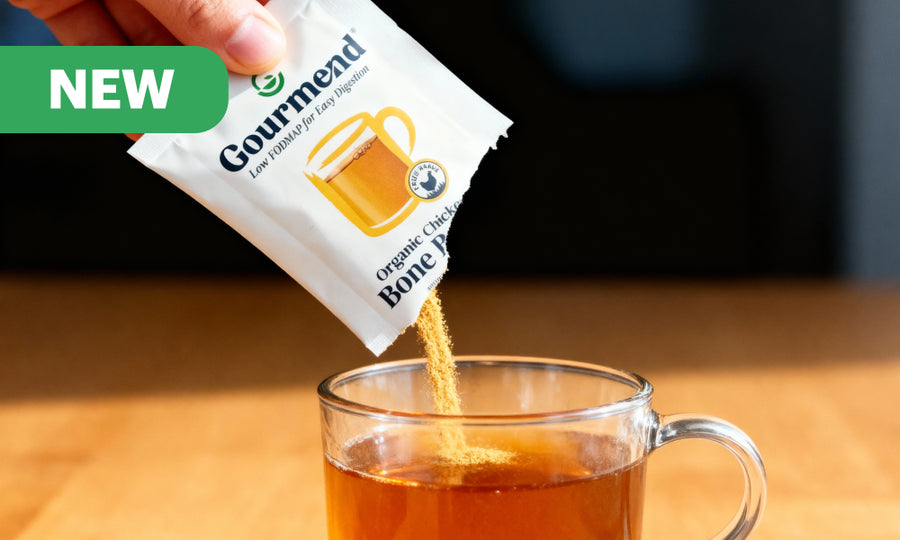
Beyond the advertised benefits, it's essential to be aware of what might be lurking in your bone broth, particularly from less transparent brands. Some products, especially powders, may contain fillers, anti-caking agents, or "natural flavors" that can be derived from a wide range of sources, potentially including triggers for sensitive individuals. Natural Force emphasizes their product as a single ingredient, USDA certified organic bone broth protein concentrate, highlighting a commitment to purity. We believe in clean labels, which is why our Organic Chicken Bone Broth | Low FODMAP & Unsalted is made with just seven organic ingredients, intentionally excluding any hidden additives. Our approach ensures you get the goodness of bone broth without unwanted surprises, aligning with our philosophy of *Delicious First. Gentle Always.*
Liquid vs. Powder: The Honest Trade-Offs No One Is Talking About
Choosing between liquid and powder formats often comes down to lifestyle needs and ingredient preferences. Both formats deliver the core benefits of a high-quality organic grass fed bone broth, yet they serve different culinary goals and storage requirements. Understanding these distinctions helps you select the option that aligns with your daily routine without compromising on purity or flavor. Liquid broths offer immediate usability, requiring only heating or pouring over grains. They integrate seamlessly into soups and sauces, providing a ready-to-use foundation. Powdered versions excel in storage longevity, appealing to those who value pantry stability and portion control.
Convenience and Shelf Life: Which Format Fits Your Routine?
Liquid broths provide instant hydration and cooking versatility. You can pour them directly into pots or mugs, making them ideal for quick meals. Once opened, however, liquid options demand refrigeration and typically last only seven to ten days. This shorter window requires careful planning to prevent waste. Powdered versions offer superior storage efficiency. A sealed container of organic grass-fed bone broth powder can remain stable on a pantry shelf for months, ensuring availability for impromptu cooking. This format appeals to travelers and busy households who prioritize convenience. Powder dissolves quickly in hot water, creating a nourishing drink on the go. Liquid cartons are heavier and require more space, which can be a consideration for those with limited refrigeration. Liquid broths can also be frozen in ice cube trays for portion control, extending their usability without the need for powder processing.
Ingredient Integrity: What's Added to Make Powder Flow Freely?
The manufacturing process for powders introduces additional variables regarding ingredient lists. To ensure free-flowing texture and prevent clumping, some manufacturers add anti-caking agents or carriers. These additives, while generally recognized as safe, may not align with a clean-label philosophy. Liquid broths often boast simpler ingredient profiles, containing only bones, water, and vegetables. This transparency allows consumers to see exactly what they are consuming. Gourmend products reflect this commitment to simplicity. Our Organic Chicken Bone Broth | Low FODMAP & Unsalted contains just seven organic ingredients, including scallion green tops and chives, intentionally avoiding onion and garlic bulbs that can trigger digestive discomfort. When evaluating powders, scrutinize labels for hidden carriers or flavor enhancers that dilute the purity of the bone broth concentrate. While some powders contain carriers, premium options focus on pure concentrate. Look for products described as single-ingredient bone broth protein. The spray-drying or freeze-drying process can preserve nutrients if executed correctly, though heat sensitivity remains a consideration for heat-liable compounds like certain amino acids.
Our Verdict: When to Choose Liquid, and When Powder Makes Sense
Your decision should hinge on your primary use case and dietary values. Choose liquid broth when you seek minimal processing and maximum ingredient transparency. This format is perfect for simmering grains, creating rich sauces, or preparing low-FODMAP meals where digestive sensitivity is a priority. Gourmend's Organic Chicken Bone Broth | Low FODMAP & Unsalted serves as an excellent base for savory oatmeal or braised vegetables, offering gentle nourishment without unwanted additives. Opt for powder when storage efficiency and portability are paramount. Powder works well for quick hydration, adding depth to smoothies, or traveling light without refrigeration needs. Both formats have merit, and many Gourmend customers enjoy having both options to suit different culinary scenarios. At Gourmend, we prioritize the liquid format for our core broths to preserve the authentic flavor profile and gelatin structure. This approach ensures that every cup delivers the rich mouthfeel and savory depth characteristic of a proper 16-hour simmer.
| Feature | Liquid Broth | Powder Broth |
|---|---|---|
| Shelf Life | Short after opening; refrigerate within days. | Months in sealed container; pantry stable. |
| Ingredient Simplicity | Typically single-ingredient concentrate. | May include anti-caking agents or carriers. |
| Preparation | Heat or pour directly. | Dissolve in hot water or blend. |
| Best Use Case | Cooking, soups, low-FODMAP recipes. | Travel, smoothies, quick hydration. |
| Portability | Heavy; requires refrigeration. | Light; no refrigeration needed. |
How to Actually Use Bone Broth Beyond the Mug (Recipes That Earn Their Place)
While sipping warm bone broth is a comforting ritual, its true culinary potential extends far beyond the mug. A high-quality organic grass fed bone broth is a foundational ingredient that can elevate countless dishes, infusing them with depth, nutrients, and a subtle savory richness. Think of it as your secret weapon for unlocking more flavor and goodness in everyday cooking. At Gourmend Foods, we believe in integrating these nourishing elements seamlessly into your meals, making gut-friendly eating both practical and gastronomically exciting. From humble grains to sophisticated sauces, bone broth can improve your culinary creations.
Cooking with Bone Broth: Soups, Braises, Grains, and Sauces
The most straightforward application is in soups and stews, where it replaces water or thinner broths to create a more unctuous and satisfying base. Imagine a French onion soup elevated by a rich beef bone broth, or a fresh vegetable soup deepened with a savory chicken broth. Beyond soups, bone broth is a real difference for braising meats. It tenderizes proteins while imparting a complex flavor that develops over slow cooking. For grains like rice, quinoa, or farro, cooking them in bone broth instead of water infuses them with flavor and adds a significant nutritional boost. It’s a simple swap that makes side dishes far more interesting. Sauces and gravies also benefit immensely; a reduction made with bone broth yields a silkier texture and more profound taste.
A Quick Low-FODMAP Recipe: Savory Oatmeal with Bone Broth
For those navigating a low-FODMAP diet, finding flavorful breakfast options can be a challenge. Savory oatmeal offers a delightful alternative to sweet versions and is incredibly easy to prepare using bone broth. Simply cook your favorite oats (like gluten-free rolled oats) with water or a combination of water and bone broth for added depth. Once the oats are tender, stir in a generous splash of Gourmend's Organic Chicken Bone Broth | Low FODMAP & Unsalted. This unsalted broth is perfect for savory applications, allowing you to control the seasoning. Season with salt, pepper, and perhaps a pinch of our Garlic Scape Powder or Green Onion Powder for an onion-like flavor without the triggers. Top with a poached egg, a sprinkle of chives, or some sautéed spinach for a complete, gut-friendly meal that provides sustained energy.
Savory Oatmeal with Bone Broth
Pros
- Quick and easy to prepare (under 15 minutes).
- Low-FODMAP friendly when using appropriate ingredients.
- Provides sustained energy and protein from oats and broth.
- Customizable with various seasonings and toppings.
- Uses clean-label ingredients like Gourmend's broth.
Cons
- May require sourcing specific low-FODMAP seasonings.
- Digestive tolerance to oats can vary for some individuals.
- Requires careful seasoning to achieve desired flavor profile.
Three Ways to Boost Protein in Smoothies Without a Powder
Many turn to protein powders for smoothie fortification, but you can achieve a significant protein and nutrient boost using liquid bone broth. First, simply add about 4-6 ounces of your chosen bone broth (like Gourmend's Organic Beef Bone Broth for a richer taste) directly into your smoothie blend. The flavor is surprisingly subtle and blends well with fruits and vegetables. Second, consider freezing bone broth into ice cubes. These can be added to your smoothie for thickness and chill without diluting the flavor as much as regular ice. This method also helps portion control. Third, pair your bone broth with other protein-rich ingredients like Greek yogurt (if tolerated), a spoonful of nut butter, or seeds like chia or hemp. This multi-pronged approach ensures your smoothie is not just delicious but also a powerhouse of protein and beneficial amino acids, supporting muscle repair and satiety.
References
Frequently Asked Questions About Organic Grass-Fed Bone Broth

Is organic grass-fed bone broth worth the extra cost?
The premium price point for organic grass-fed bone broth reflects a commitment to higher standards in animal welfare, feed, and farming practices. Animals raised organically and grass-fed are typically healthier, which can translate to a more nutrient-dense final product. The absence of synthetic pesticides, herbicides, and GMOs in organic farming, coupled with a natural diet for grass-fed animals, contributes to a cleaner bone source. This dedication to quality means you're investing in a product that is not only more ethically produced but also potentially richer in beneficial compounds like collagen and amino acids. For those prioritizing purity, digestive wellness, and supporting sustainable agriculture, the investment in organic grass-fed bone broth is often considered worthwhile for its superior quality and peace of mind.
How much protein is in a serving of grass-fed bone broth?
Protein content in organic grass fed bone broth can vary, but it's generally a good source. For example, Kettle & Fire reports up to 19 grams of protein per serving in their grass-fed beef bone broth. However, it's essential to check the specific product's nutritional label, as figures can differ based on the simmering time, the types of bones used, and whether the product is a concentrated liquid or a powder. Liquid broths typically offer a moderate amount of protein, while bone broth protein powders, which are concentrated, often boast higher protein counts. Always refer to the serving size and protein grams listed on the packaging for the most accurate information. Gourmend's commitment is to transparency, ensuring you know what you’re consuming.
Which is better for gut health: beef or chicken bone broth?
Both beef and chicken bone broths offer benefits for gut health, though they contribute different key components. Beef bone broth is particularly rich in Type I and Type III collagen, which are abundant in connective tissues and beneficial for skin, joints, and the gut lining. Chicken bone broth is often lauded for its Type II collagen, which is more commonly associated with joint health but also plays a role in the gut. The amino acids present in both, such as glycine and proline, are important for repairing and maintaining the integrity of the intestinal wall.
Can I use bone broth if I'm on a low-FODMAP diet?
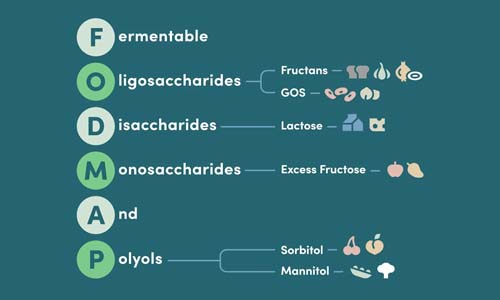
Yes, absolutely, but with careful consideration of ingredients. Traditional bone broths can sometimes contain high-FODMAP ingredients like onion and garlic, which are common flavor bases. However, many low-FODMAP versions exist, specifically formulated to exclude these triggers. These broths typically use alternative aromatics like the green tops of scallions or leeks, or herbs like chives, to achieve a savory depth. Monash University, a leading authority on the low-FODMAP diet, provides guidance on suitable broths. Gourmend Foods specializes in creating Monash University Low FODMAP Certified™ broths, such as our Organic Chicken Bone Broth | Low FODMAP & Unsalted. These are designed to be gentle on the digestive system while still delivering significant flavor, making them ideal for those adhering to a low-FODMAP eating plan and seeking the benefits of organic grass fed bone broth.
Frequently Asked Questions
What is organic grass fed bone broth?
Organic grass fed bone broth is a nutrient-rich liquid made by simmering bones from animals raised on organic, grass-based diets for 12 to 24 hours. This extended cooking process extracts collagen, gelatin, and minerals from the bones and connective tissues. The organic and grass-fed sourcing ensures a cleaner, more nutrient-dense broth free from synthetic pesticides and GMOs.
Is grass-fed bone broth healthy?
Yes, grass-fed bone broth can be a healthy addition to your diet when sourced from quality ingredients. It provides collagen, amino acids like glycine and proline, and minerals that support joint comfort, skin health, and tissue repair. The grass-fed diet of the animals contributes to a better fatty acid profile and potentially higher nutrient levels in the broth.
What is the difference between grass-fed and grass-finished bone broth?
Grass-fed means the animal ate grass for most of its life, while grass-finished guarantees the animal ate only grass and forage for its entire life without any grain feeding. Grass-finished bone broth offers the purest benefits associated with a forage-based diet. At Gourmend Foods, we prioritize sourcing from farms that adhere to these high standards for a richer, cleaner broth.
How does bone broth differ from regular stock?
Bone broth differs from stock primarily in cooking time and nutrient extraction. Stock is simmered for a few hours with vegetables, while bone broth simmers for 12 to 24 hours to break down collagen-rich tissues and bones. This longer process releases more gelatin, amino acids, and minerals, making bone broth a more nourishing foundation for cooking and sipping.
Which is the healthiest bone broth to buy?
The healthiest bone broth to buy is one made from organic, grass-fed or grass-finished bones with a clean label free from fillers, preservatives, and artificial flavors. Look for broths that are simmered for extended periods to maximize collagen extraction. Our Organic Chicken Bone Broth and Organic Beef Bone Broth are crafted with these principles, using just seven organic ingredients and no hidden additives.
What should I look for in a clean label bone broth?
When choosing a clean label bone broth, check for organic certification, grass-fed sourcing, and a short ingredient list without fillers, anti-caking agents, or natural flavors. Avoid products with hidden additives that may trigger sensitivities. We believe in transparency, which is why our broths are made with minimal, recognizable ingredients and are certified low FODMAP for gentle digestion.